
Blooming
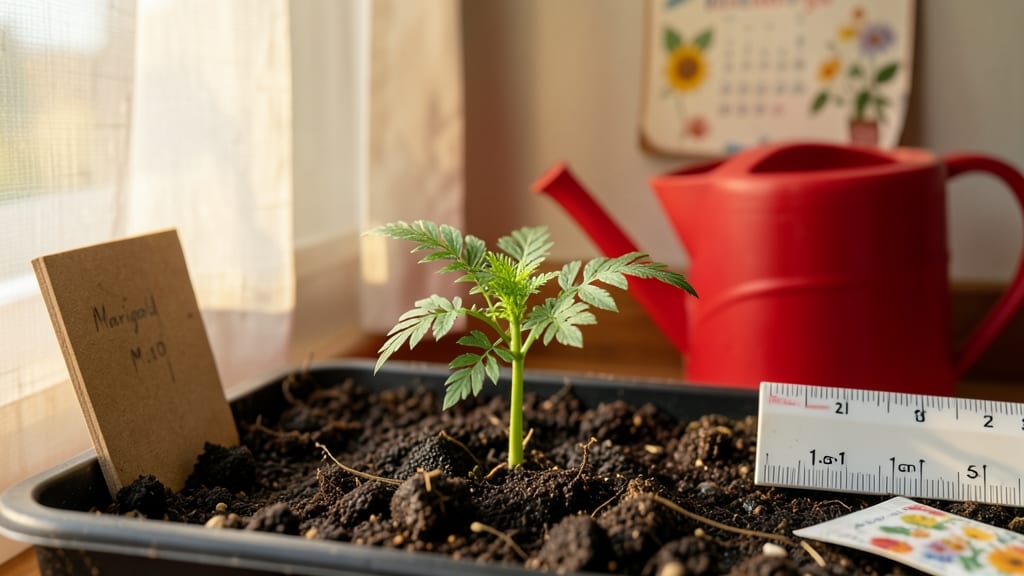
How long does it take for flowers to sprout? The answer ranges from just 3 days to over 6 weeks, depending on the seed type, soil warmth, and even how old they are.
Waiting for those first green shoots to break through the soil can feel like an eternity—especially when you’ve carefully planted seeds and want vibrant blooms ASAP.
But germination times vary wildly by plant type, soil conditions, and even seed age, leaving many gardeners guessing when (or if) those first green shoots will appear.
Some flowers, like marigolds or zinnias, pop up in a matter of days, while others, such as delphiniums or lavender, can take weeks to show signs of life. Understanding these differences—and how to create the perfect conditions—can mean the difference between a thriving garden and a season of disappointment.
In this guide, I’ll break down the typical sprouting timelines for popular flowers, share proven tricks to speed up germination, and help you troubleshoot common issues so you can get those seeds growing faster.
Germination timeframes for popular flower seeds by type
Understanding germination timeframes for your favorite flowers can transform your patience into excitement. Some seeds pop up in just 3 days, while others take up to 6 weeks—or even longer—to break through the soil.
The difference often comes down to whether you’re growing fast-sprouting annuals like marigolds or slow-germinating perennials like peonies. Let’s break down what to expect so you can set realistic timelines for your garden dreams.
First, recognize that seed type is the biggest factor. Annual flowers like zinnias and cosmos are notorious for their speed, often sprouting within 5–14 days when conditions are ideal. Meanwhile, perennials such as lavender and delphiniums can take 3–6 weeks to show their first green shoots.
Even within these categories, tropical flowers like hibiscus need warm soil temperatures (above 70°F) to wake up, which can delay germination if planted too early.
Here’s a quick reality check: if you’re impatient like me, focus on fast-sprouting varieties first. But if you’re planning a long-term garden with perennials, be prepared for the waiting game. The good news? Knowing these timeframes helps you plan succession plantings and avoid giving up too soon.
| Flower Type | Average Germination Time | Ideal Soil Temp (°F) | Notes |
|---|---|---|---|
| Zinnias (Annual) | 5–10 days | 65–75°F | Fastest annual; loves warmth |
| Marigolds (Annual) | 7–14 days | 70–80°F | Pest-repelling; great for borders |
| Sunflowers (Annual) | 7–21 days | 60–70°F | Larger seeds = slower start |
| Lavender (Perennial) | 21–42 days | 70–80°F | Needs patience; light touch |
| Peonies (Perennial) | 30–60 days | 60–70°F | One of the slowest; worth it |
| Hibiscus (Tropical) | 14–30 days | 75–85°F | Needs warmth; indoor start helps |
| Delphiniums (Perennial) | 21–45 days | 60–70°F | Light-sensitive; keep moist |
Now that you’ve got the baseline expectations, let’s talk about what counts as sprouting. True germination happens when the seed coat breaks, and the radicle (root) emerges first—often invisible under soil. You’ll usually spot the shoot (cotyledon) next, which is the first green sign above ground.
This can take 1–3 extra days after the root appears, so don’t rush to dig up your seeds just because you don’t see anything yet!
If you’re growing tropical flowers like hibiscus or cannas, pay extra attention to soil temperature. These heat-lovers won’t germinate below 70°F, which is why I always use a seedling heat mat in early spring.
Pro tip: place a thermometer in your seed-starting mix—it’s a game-changer for stubborn seeds.
For slow-germinating perennials like peonies, consider soaking seeds in lukewarm water for 24 hours before planting. This can shave off 1–2 weeks of waiting time. And if you’re dealing with hard-coated seeds (like delphiniums), a light sandpaper rub can mimic natural wear and tear, helping them absorb moisture faster.
Remember, consistent moisture is key—never let your seed-starting mix dry out, but avoid soggy conditions too. A spray bottle
5 Proven ways to speed up flower seed germination
If you're impatiently waiting for those first green shoots to appear, you're not alone. Many gardeners struggle with slow germination, especially when dealing with delicate flower seeds that need just the right conditions.
The good news? With a few science-backed tricks, you can cut weeks off the germination process and get your garden growing faster.
Germination speed depends on soil temperature, moisture levels, and even seed age. For most flowers, the ideal soil temperature ranges between 60–75°F. Below that, seeds may take weeks longer—or worse, fail to sprout at all.
But don’t worry; I’ve tested these methods in my own garden and seen dramatic results, especially with stubborn seeds like delphiniums or snapdragons.
- 🌱 3–7 days: Fastest sprouts like marigolds or zinnias (warm soil, 70–75°F).
- 🌱 7–14 days: Moderate germinators like petunias or cosmos (60–65°F soil).
- 🌱 2–4 weeks: Slow starters like lavender or foxglove (needs consistent moisture and warmth).
- 🌱 4–6 weeks: Stubborn seeds like delphiniums or peony (may need scarification or stratification).
- ⏰ Pro Tip: Pre-soaking can cut 2–5 days off germination for hard-coated seeds!
One of the easiest ways to speed up germination is by pre-soaking seeds before planting. This method works especially well for hard-coated seeds like lupines or snapdragons. Simply place them in a bowl of lukewarm water for 12–24 hours, then plant them while they’re still damp.
This softens the seed coat, allowing water to penetrate faster and triggering quicker sprouting.
If your garden gets chilly, a DIY heat mat can work wonders. You can create one using an old heating pad or even a rechargeable battery pack wrapped in a towel.
Place it under your seed trays to maintain a consistent 70–75°F temperature. I’ve used this trick with tropical flowers like hibiscus and seen sprouts emerge in half the usual time.
Light exposure also plays a crucial role. While some seeds need darkness to germinate (like tomatoes), most flower seeds benefit from indirect light once they’ve sprouted. Use a grow light or place trays near a south-facing window to provide 12–14 hours of light daily.
Just avoid direct sunlight, which can dry out the soil too quickly.
For seeds that seem unresponsive, try scarification—a process that mimics natural wear and tear. Use a sandpaper or file to gently rough up the seed coat, then plant immediately.
This method is perfect for perennial flowers like peony or black-eyed Susan, which often have thick, protective coatings that slow down germination.
Finally, keep the soil consistently moist but never soggy. Overwatering can suffocate seeds, while too little moisture stalls germination. Use a spray bottle to mist the soil lightly every 1–2 days until sprouts appear.
Once they do, you can gradually increase watering. With these tricks, you’ll see those first green shoots in no time—no more waiting weeks for your garden to come alive! 🌷