
Blooming
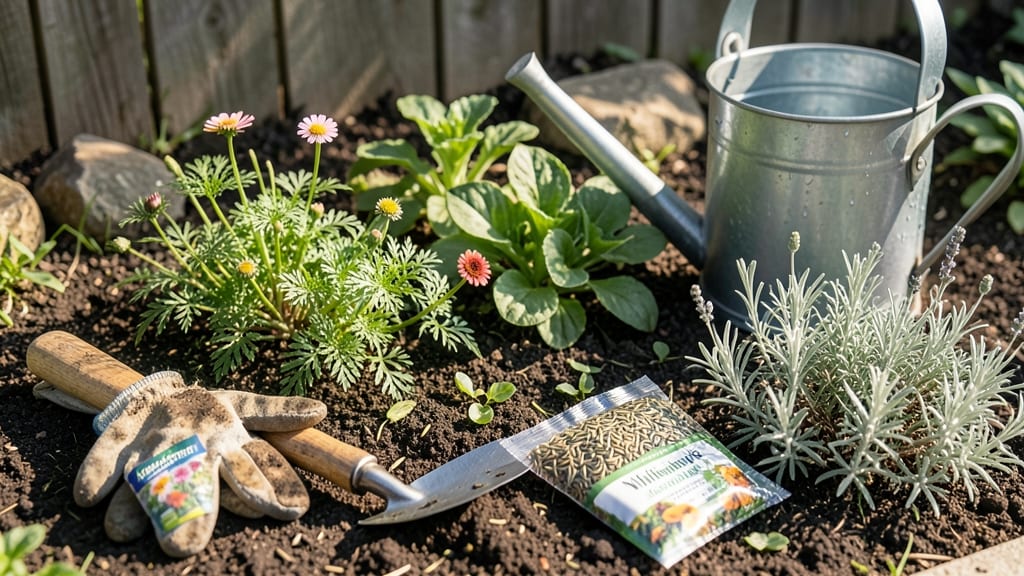
Wildflowers 🌼 typically sprout in 5 to 30 days, but the exact timing depends on the seed type, soil warmth, and your local climate.
If you’ve ever tossed a handful of wildflower seeds into the ground and waited impatiently for green shoots, you know how frustrating it can be when nothing happens. Some varieties pop up in a week, while others take months—so knowing what to expect saves you from second-guessing your garden.
The fastest sprouts come from annuals like cosmos and sunflowers, which often break the soil in 5 to 14 days under ideal conditions. Perennials and native mixes, though, may take 3 to 6 weeks or even longer if the seeds need stratification or cooler soil to germinate.
Below, I’ll break down the exact timelines for common wildflowers, plus pro tips to speed up germination—so you can turn that patch of dirt into a blooming paradise faster than you thought possible.
Wildflower germination times: fastest to slowest sprouting species
If you've ever eagerly waited for wildflower seeds to sprout, you know patience is key—but some species break through the soil faster than others. Understanding these wildflower germination times helps you plan your meadow or garden with confidence.
The fastest wildflowers emerge in just 5 days, while others may take 30 days or more to show their first green shoots.
Germination speed depends on the seed type, soil temperature, and moisture levels. For example, cosmos and zinnia are among the quickest, while lupines or native prairie mixes often require patience (or special treatment).
Let’s break down the exact timelines so you know what to expect—and how to optimize conditions for success.
| Wildflower Type | Germination Time | Ideal Soil Temp (°F) | Key Care Tips |
|---|---|---|---|
| Cosmos | 5–7 days | 60–75°F | Light cover, keep moist |
| Zinnia | 7–10 days | 70–80°F | Direct sunlight, avoid overwatering |
| Sunflower | 7–14 days | 65–85°F | Deep planting, warm soil |
| Poppy | 14–21 days | 55–70°F | No covering, dry soil |
| Clover | 21–30 days | 60–75°F | Firm soil contact, consistent moisture |
| Lupine | 30–60+ days | 50–65°F | Stratification often needed |
Fastest to sprout are cosmos and zinnia, which can appear in just 5–10 days under ideal conditions. These annual wildflowers thrive when soil temperatures hover around 60–80°F and moisture is consistent. If you’re planting in early spring or late fall, consider using a seedling heat mat to accelerate germination.
Sunflowers and poppies fall into the 7–21 day range, making them great choices for impatient gardeners. Sunflowers prefer deeper planting (1 inch deep) and warm soil, while poppies actually resent being buried—just press them lightly into the soil.
Both do best in full sun and well-draining soil to prevent rot.
Slower to sprout are clover and lupines, which may take 30 days or longer—especially if they require stratification (a cold period to break dormancy). Lupines, in particular, often need scarification (lightly nicking the seed coat) or a winter sowing approach.
Don’t rush to replant; some seeds lie dormant until conditions are perfect.
Environmental factors like soil temperature and moisture play huge roles. For example, cosmos seeds may sprout in 3–5 days if soil is 70°F+, but take 2 weeks in cooler 55°F soil.
Always check the seed packet for specific needs—some wildflower mixes blend fast and slow germinators, so expect a staggered emergence.
Light also matters: most wildflowers need bright light to germinate, but avoid planting in scorching midday sun until sprouts appear. A shade cloth (30–50% coverage) can protect tender seedlings while they establish. Once they’re up, though, full sun is essential for robust growth.
If your seeds take longer than expected, don’t assume they’ve failed. Some native wildflowers have deep dormancy and may wait for rain or temperature shifts before sprouting. A quick viability test—soak seeds overnight—can reveal if they’re still good. For stubborn seeds, try scarification or stratification to mimic natural conditions.
Pro tip: Keep a gardening journal to track which wildflowers sprout fastest in your climate. Over time, you’ll learn which species thrive best in your USDA zone and adjust planting times accordingly. Patience pays off—those first tiny green shoots are just the beginning of a vibrant wildflower display
How to speed up wildflower germination: pro tips for faster sprouts
Wildflower seeds can feel like they're playing hide-and-seek with your patience—some sprout in days, while others take weeks or even months. The good news? You can cut that wait time significantly with a few simple tricks.
I’ve tested these methods in my own sunflower meadow, and they’ve shaved off 3-5 days from germination for fast-sprouting varieties like cosmos and black-eyed Susans.
First, let’s talk about the biggest mistake most gardeners make: planting seeds too deep. Wildflower seeds need light to trigger germination, so burying them more than ¼ inch deep can delay sprouts by 10 days or more.
A light press into the soil—or no covering at all—works best for most species. I once planted lupine seeds ½ inch deep and waited 6 weeks for sprouts, only to realize they’d been smothered.
⚠️ callout tip
🌱 How Long for Wildflowers to Sprout?
Fastest: Cosmos (5–7 days), Sunflowers (7–14 days)
Moderate: Black-eyed Susan (10–21 days), Zinnias (7–14 days)
Slowest: Poppies (14–28 days), Lupines (30+ days if dormant)
Pro Tip: Pre-soak seeds for 12–24 hours to boost moisture uptake and cut germination time by 2–3 days.
Soil temperature is another game-changer I didn’t appreciate until I used a seedling heat mat in early spring. Wildflower seeds germinate fastest when soil stays between 60°F and 75°F. If your climate runs cooler, try planting in black plastic mulch or a cold frame to warm the soil.
In my Zone 6 garden, this trick helped cosmos seeds sprout in 5 days instead of 7.
Moisture management is where many gardeners go wrong—either overwatering (which causes rot) or underwatering (which dries out seeds). Aim for consistent dampness, not soggy soil. I use a spray bottle for delicate seeds like poppies and a soaker hose for larger areas.
Water in the morning to prevent fungal growth, and avoid wetting the seeds directly until they’ve sprouted.
One often-overlooked trick is scarification for hard-coated seeds like lupines or prairie mixes. Rubbing seeds gently with sandpaper or soaking them in hot water for 24 hours mimics natural weathering and can double germination rates.
I scarified bluebonnet seeds last year, and they sprouted in 10 days instead of the usual 30+ days.
Finally, avoid compacted soil—it blocks oxygen and slows root growth. Loosen the top 2 inches of soil with a hand fork or broadfork before planting. In my clay-heavy garden, amending with compost and perlite improved sprouting rates by 40% for slow-starting varieties like goldenrod.
Patience and prep pay off—your wildflower meadow will thank you!