
Plants
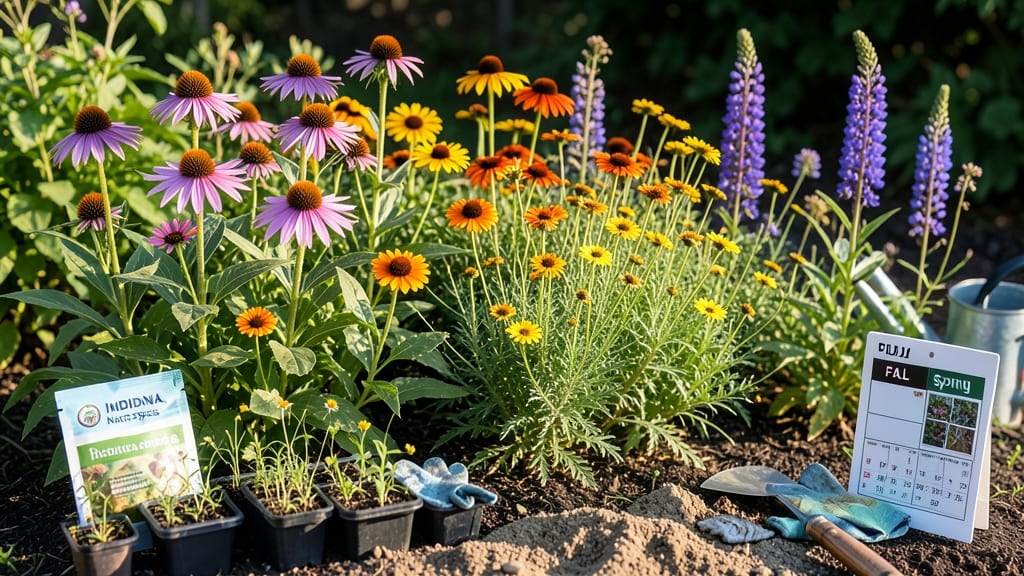
To plant wildflower seeds in Indiana, aim for early spring or fall when soil temperatures hover between 40°F and 80°F—the sweet spot for germination.
Indiana’s diverse USDA zones (5-6) and unpredictable spring weather can make wildflower planting a guessing game—but timing is everything for vibrant blooms next year.
If you’ve ever scattered seeds in late spring only to watch them bake in the sun or rot in soggy soil, you know how critical the right window is.
The best months? March to April for spring planting and September to October for fall, when cooler temps and consistent moisture give seeds the best chance.
Below, I’ll break down the exact months for your zone, soil prep secrets, and the top 5 native wildflowers that thrive with minimal fuss—so you can skip the trial-and-error and get straight to those colorful meadows.
Best planting months for Indiana wildflowers by USDA Zone (5-6)
Indiana's USDA Zones 5 and 6 create distinct planting windows for wildflowers, with Zone 5 (northern Indiana) typically having 2-3 weeks later last frost dates than Zone 6 (southern Indiana).
This difference means your planting timeline should shift based on whether you're in Gary or Evansville versus South Bend or Fort Wayne. The key is planting when soil temperatures reach 50-60°F—this ensures seeds germinate properly without rotting in cold, wet soil.
Most Indiana gardeners focus on two ideal planting windows: early spring (March-April) and fall (September-October). Spring planting gives wildflowers the entire growing season to establish roots, while fall planting takes advantage of cool soil temperatures and reduced weed competition.
For Zone 5, aim for mid-April to early May in spring, while Zone 6 gardeners can start as early as late March. Fall planting works best from mid-September to early October in both zones.
Microclimates play a huge role in Indiana. Urban areas like Indianapolis may experience heat islands that allow earlier spring planting, while northern Lake County near Michigan might see delayed frost dates. Always check your local Cooperative Extension Service frost dates—these are more accurate than general zone guidelines. For example, Terre Haute (Zone 6a) might safely plant in early April, while Mishawaka (Zone 5b) should wait until mid-April.
Here's the critical comparison between Zone 5 and Zone 6 planting windows, including soil temperature targets and moisture management tips for each month:
For Zone 5 gardeners, April is the sweet spot—planting in early April gives seeds time to germinate before summer heat arrives. If you miss this window, don't despair: late August to early September is your second chance.
In Zone 6, you can start as early as late February for tender species like Mexican sunflower, but most native wildflowers prefer March-April planting. Fall planting in both zones should wrap up by October 15th to allow seeds to establish roots before winter dormancy.
One common mistake is planting too early in spring when soil is still cold and wet. This leads to seed rot or fungal diseases. Always check soil temperature with a soil thermometer—if it's below 50°F, wait another week.
For Zone 5, this often means delaying until after Mother's Day. In Zone 6, you might be ready by late March, but verify with your local agricultural extension office for precise dates.
Regional microclimates create localized exceptions. For example, southern Indiana's river valleys (like near Louisville, KY) can be 1-2 weeks warmer than surrounding areas, allowing earlier planting. Conversely
Soil preparation secrets for Indiana wildflower success
Indiana’s native wildflowers thrive when planted in soil that mimics their natural prairie habitats—meaning well-draining, slightly acidic to neutral pH (6.0-7.0), and rich in organic matter. If your soil is heavy clay or compacted, seeds will struggle to sprout, and seedlings may rot before they even emerge.
The key is to prepare your bed 4-6 weeks before planting, whether you’re seeding in spring or fall.
Start by removing any existing weeds or grass, then loosen the top 4-6 inches of soil with a garden fork or tiller. This breaks up compaction and allows roots to penetrate easily.
For clay-heavy soils common in Indiana, mix in 2-3 inches of compost or aged manure to improve structure and moisture retention. Avoid fresh manure, which can burn delicate wildflower seedlings.
For the best results, test your soil’s pH using a home test kit or lab analysis. Most Indiana wildflowers prefer a slightly acidic to neutral range (6.0-7.0). If your soil is too alkaline (above 7.5), amend it with sulfur or peat moss to lower the pH gradually.
Acid-loving species like blue flag iris may need additional amendments, but most native wildflowers adapt well to neutral soil.
Scarify or lightly rake seeds after planting to ensure good soil contact—especially for large, hard-coated seeds like coneflower or black-eyed Susan. In fall, a light frost can also help break seed dormancy, but avoid planting when frost is forecast within 48 hours.
Once your soil is amended, create a smooth, level surface for scattering seeds. Wildflowers don’t need deep planting—most should be covered with just ¼ inch of soil or left exposed if they require light for germination.
For larger seeds, press them 1/8 inch into the soil to ensure stability. After sowing, use a lightweight rake or board to gently press seeds into the soil without burying them too deeply.
Mulching isn’t typically needed for wildflowers, but a thin layer of straw (¼ inch) can help retain moisture and suppress weeds during germination. Water lightly but frequently (every 2-3 days) until seeds sprout, then taper off to encourage deep root growth.
Overwatering is a common mistake—Indiana wildflowers are drought-tolerant once established, so aim to mimic natural rainfall patterns.
If you’re planting in fall (September-October), soil prep is even simpler—just loosen the ground and scatter seeds before the first frost. Cooler temperatures and consistent moisture create ideal conditions for seeds to germinate in early spring.
For spring planting (March-April), focus on keeping the soil consistently moist until seedlings appear, which usually takes 10-21 days depending on the species.