
Watering
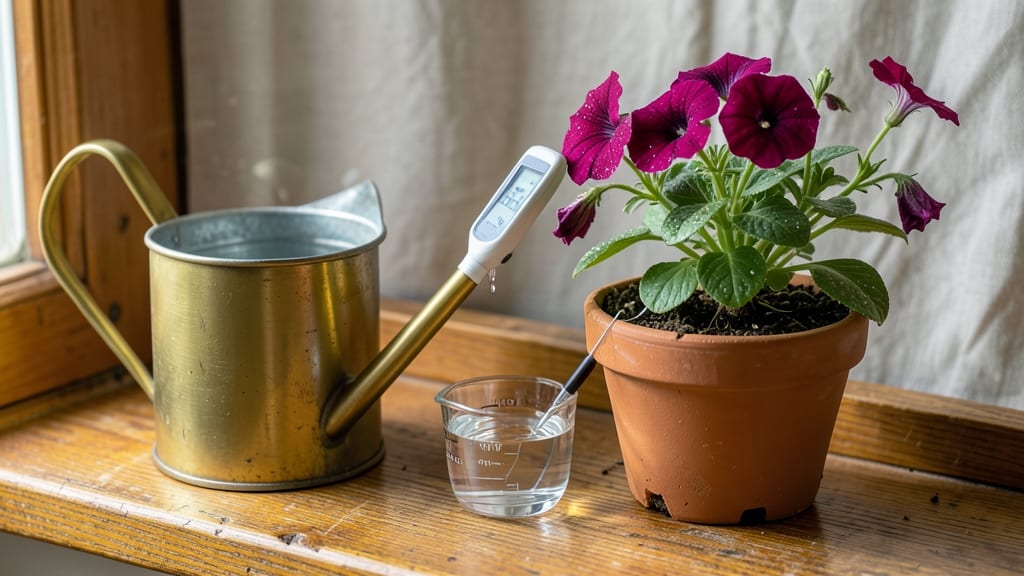
Watering potted flowers the right way means checking soil moisture before you even think about the watering can — because guessing is how you end up with sad, wilted blooms or worse, root rot.
Overwatering kills more potted flowers than underwatering — but most gardeners still rely on a schedule instead of the soil. That’s why I developed a simple finger-check method that works for every type of flower, from drought-loving succulents to thirsty tropicals.
In this guide, you’ll learn how to read your plants’ moisture needs, adjust for pot size and climate, and spot the subtle signs of over- or underwatering before they become problems. No more dead blooms or wasted water.
By the end, you’ll have a customized watering routine that keeps your flowers thriving year-round, whether you’re dealing with summer heat or winter dormancy.
The exact soil check method to water potted flowers perfectly
Guessing when to water your potted flowers leads to either dry, crispy leaves or soggy roots—both deadly for your plants. Instead, use the soil check method, a foolproof way to determine watering frequency based on moisture levels, not schedules.
This technique works for succulents, tropicals, and everything in between, adjusting automatically for heatwaves, humidity, and pot size.
The key is understanding your plant's root zone moisture. Most potted flowers need water when the top 1-2 inches of soil feel dry to the touch. But how do you know for sure?
Let’s break it down into a simple, repeatable process that saves time and keeps your blooms happy. No more overwatering or underwatering—just perfect moisture every time.
- Dry: Crumbly, like powdered sugar—water immediately.
- Moist: Slightly damp, like a wrung-out sponge—wait 1-2 days.
- Wet: Cold and clinging to your finger—skip watering.
Pro tip: Use a moisture meter for precision, especially if you’re new to this method. These $10 tools eliminate guesswork and are a game-changer for fussy plants like orchids or African violets.
For most gardeners, though, your finger is all you need—just clean it between pots to avoid spreading disease.
Different flower types have unique needs. Succulents like sedum or echeveria need water only when the soil is bone-dry, while petunias or geraniums prefer consistently moist (but not soggy) soil. Always adjust your watering frequency based on the plant’s native environment—desert plants hate wet feet, while tropicals wilt without humidity.
Seasonal shifts matter too. In winter, reduce watering by 50% since cooler temps slow evaporation. In summer, check soil moisture twice daily if your pots are in full sun. Terracotta pots dry out faster than plastic, so terracotta gardeners should water 1-2 days earlier than plastic-pot owners.
Overwatering is the silent killer of potted flowers. If you notice yellowing leaves, mushy stems, or white mold on the soil, you’re watering too much. The soil check method prevents this by letting the plant tell you when it’s thirsty—not a calendar.
Stick with this routine, and your flowers will reward you with vibrant blooms all season long.
Remember: Consistency is key. If you water deeply every time, your roots will grow stronger and seek moisture at the right depth. Skip the shallow sprinkles—they only dampen the top layer and encourage shallow roots.
With this method, you’ll save water, extend your plants’ lifespan, and spend less time fussing over wilting leaves.
Start today by testing your pots’ soil moisture. You’ll be amazed at how much more confident (and efficient) you feel about watering. Happy gardening—your flowers will thank you with bold colors and lush growth!
Watering frequency chart: how often to water 20 popular potted flowers
Not all potted flowers drink the same amount of water—some need a sip every few days, while others can go weeks without thirsting. The key is understanding your plant's natural habitat and pot conditions.
Succulents stored in terracotta pots dry out faster than ferns in plastic containers, and summer heat demands more frequent watering than cool spring mornings.
Below is my science-backed watering chart for 20 common potted flowers, adjusted for seasonal changes. Use this as your starting point, then fine-tune based on your local climate, pot size, and sunlight exposure.
For example, a basil plant in a 6-inch pot might need watering every 2 days in July, but only every 5 days in May.