
Flowers
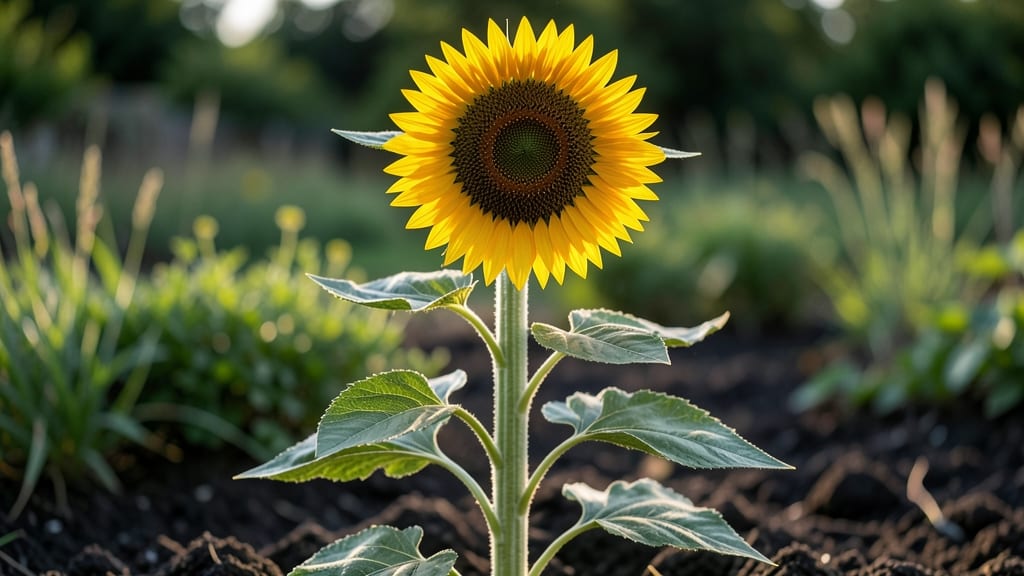
How tall do mammoth sunflowers grow? They can reach heights between 8 and 14 feet, turning your garden into a towering display of golden sunshine 🌻 — but their exact size depends on the variety, soil, and care you provide.
Imagine towering sunflowers reaching heights that dwarf you—these aren’t just flowers, they’re architectural giants that can outgrow your expectations if you don’t plan ahead. Without the right support or spacing, even the most stunning varieties can flop over or struggle to reach their full potential.
Whether you’re growing them for cut flowers or ornamental displays, knowing their mature size helps you choose the perfect spot and avoid common mistakes that stunt growth.
From ‘Mammoth Russian’ to ‘American Giant’, each variety has its own height range, and a few simple adjustments can make all the difference.
In this guide, I’ll break down exact height ranges by variety, share tips for maximizing growth, and explain how to support these giants so they stand tall all season long. Ready to grow sunflowers that reach for the sky?


Mammoth sunflower height by variety: exact growth measurements
Mammoth sunflowers are the giants of the garden, capable of reaching heights that rival small trees. If you're dreaming of sunflowers that tower over your fence or create a dramatic focal point, knowing the exact mature heights of popular varieties helps you plan your garden layout and support needs.
These sunflowers aren't just tall—they're architectural statements that can reach 10 to 14 feet in ideal conditions, making them perfect for cut flowers or stunning back-of-the-border displays.
Not all mammoth varieties grow the same height, though. Some classic types like the 'Mammoth Russian' can stretch to 12-14 feet, while modern hybrids may top out slightly shorter but with equally impressive blooms.
Understanding these differences ensures you pick the right variety for your space, soil, and sunlight conditions. For example, a 10-foot variety might be ideal for small gardens, while a 14-foot giant needs ample room and sturdy support to prevent toppling in wind or rain.
Comparison Table: Mammoth Sunflower Heights by Variety
When choosing a mammoth sunflower variety, consider not just height but also growth rate and ideal spacing. For instance, the 'Mammoth Russian' grows an impressive 2-3 feet per month, so it can reach its full height in just 4-5 months under optimal conditions.
This rapid growth means you'll need to provide support early, like sturdy stakes or cages, to prevent the plants from toppling over in wind or heavy rain.
Spacing is another critical factor. Planting mammoth sunflowers too closely can stunt their growth as they compete for nutrients and sunlight.
For varieties like 'Russian Giant' or 'Mammoth Russian', give them 3-4 feet of space between plants to ensure they have room to develop strong stems and reach their full potential.
In smaller gardens, opt for slightly shorter varieties like 'American Giant' (10-12 ft) or 'Autumn Beauty' (8-10 ft), which still make a statement without requiring as much space.
If you're growing mammoth sunflowers for cut flowers, prioritize varieties with thick, sturdy stems, such as 'Moulin Rouge' or 'Russian Giant'. These varieties not only reach impressive heights but also produce large, long-lasting blooms that hold up well in arrangements.
For ornamental gardens, consider 'Autumn Beauty', which offers vibrant, multicolored petals and a slightly shorter stature, making it ideal for mixed borders.
One common misconception is that all mammoth sunflowers grow to the same height. In reality, their mature sizes can vary by up to 4 feet, depending on the variety and growing conditions. For example, while 'Mamm
How to maximize mammoth sunflower growth: soil, sun, and support tips
To coax your mammoth sunflowers into reaching their full 10-14 foot potential, start with the right foundation. These giants thrive in loamy, well-draining soil with a pH between 6.0-7.5.
Amend heavy clay with compost or sand, and ensure the soil stays moist but not waterlogged—especially during their rapid growth phase. I’ve found that adding a balanced 10-10-10 fertilizer at planting and again when stems reach 3 feet gives them the boost they need.
Sunlight is non-negotiable for these towering beauties. Plant them in a spot where they’ll bask in at least 8 hours of direct sun daily. Even partial shade can stunt their growth, leaving you with shorter, leggier stems that struggle to support those massive blooms.
My south-facing garden bed produces the tallest sunflowers—sometimes exceeding 12 feet by late summer!
🌱 Key Factors for Maximum Height
- Soil Prep: Mix in compost and aged manure to a depth of 12 inches before planting.
- Sunlight: 8+ hours of full sun daily—no compromises for these giants!
- Watering: Deep watering 2-3 times per week during active growth (May-August).
- Support: Install 6-foot stakes or tomato cages at planting time to prevent toppling.
- Spacing: Plant seeds 18-24 inches apart—crowding leads to shorter, weaker stems.
Watering plays a crucial role in their vertical ascent. Young plants need consistent moisture to establish strong roots, but overwatering can cause stem rot. I water mine deeply in the morning—about 1-2 gallons per plant—and always check the soil’s moisture level before adding more.
During peak summer heat, I increase the frequency to every 2-3 days to keep the soil evenly damp.
Structural support is often overlooked but critical for these heavy-headed giants. Without proper staking or caging, a 12-foot sunflower can topple over with a strong breeze, snapping its stem. I use heavy-duty bamboo stakes or metal tomato cages inserted at planting time.
For extra stability, I tie the stems to the support with soft plant ties every 2 feet as they grow. This simple step can mean the difference between a flourishing 14-footer and a leaning, broken stem.
Timing your planting is another secret to maximizing height. Sow seeds 2-3 weeks after your last frost date in USDA Zones 4-9, when soil temperatures reach 55°F. In cooler climates, I’ve had success with early April plantings, while warmer zones can start as early as March.
The key is giving them a long, uninterrupted growing season—at least 90-120 days—to reach their full potential.
With the right conditions, your mammoth sunflowers will reward you with sun-drenched giants that become the star of your garden. These towering beauties aren’t just impressive—they’re a testament to nature’s ability to create living skyscrapers right in your backyard! 🌻