
Blooming
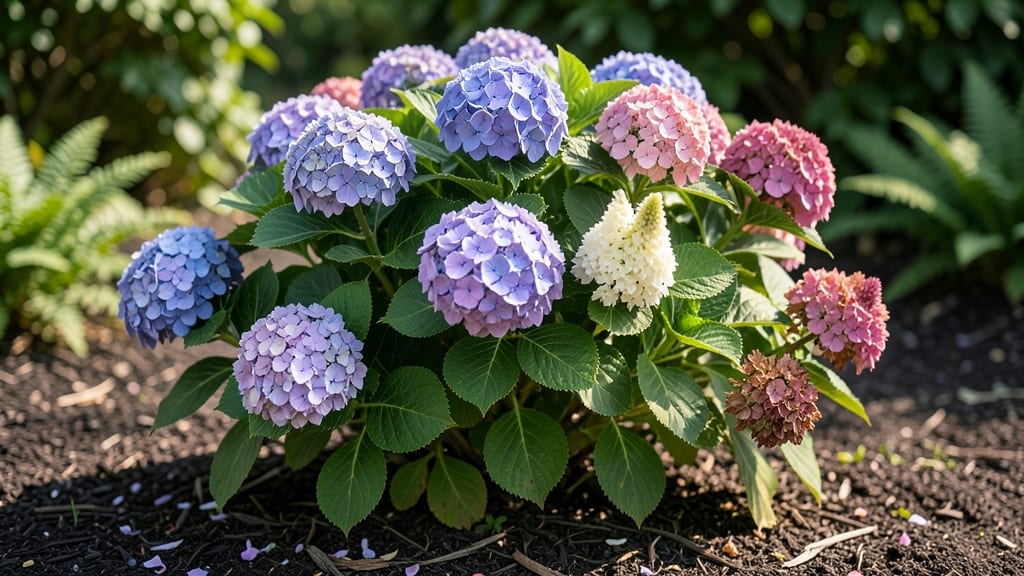
Timing your hydrangea’s flower time 🌸 is the difference between a one-month showstopper and three months of bold color—without even changing plants.
You’ve probably noticed how some hydrangeas fade fast while others keep blooming like they’re on a never-ending summer vacation. That’s not luck—it’s all about the variety you pick and how you care for it.
I’ll show you which types stay vibrant the longest and how to coax extra weeks (or even months) out of your blooms, no matter where you garden.
From mopheads that steal the show in July to oakleaf varieties that linger through September, each hydrangea has its own schedule.
But here’s the game-changer: pruning at the right time, feeding at the right moments, and protecting them from late frosts can turn a short-lived display into a season-long spectacle. Let’s break down the secrets so you can enjoy those lush clusters for as long as possible.
You’ll learn which varieties are worth planting twice, how to adjust your care routine for longer blooms, and even how to troubleshoot when your hydrangeas throw a tantrum and refuse to cooperate. Ready to turn your garden into a nonstop floral parade?
Hydrangea bloom time by variety: how long each type flowers
Not all hydrangeas bloom for the same duration—and some varieties even deliver multiple flushes of flowers! The key difference lies in their genetic blooming patterns. Some varieties produce flowers on old wood (last year's growth), while others bloom on new wood (current season's growth).
This distinction directly impacts how long you'll enjoy their stunning blooms each year.
Understanding these patterns helps you choose the perfect hydrangea for your garden's seasonal color goals. For example, mophead hydrangeas typically bloom for 6-8 weeks in mid-to-late summer, while panicle varieties can extend their show into early fall.
Let's break down the bloom durations by the most popular hydrangea types so you can plan your garden's floral timeline with precision.
| Variety | Bloom Time | Reblooming? | Seasonal Peak | Key Notes |
|---|---|---|---|---|
| Mophead (H. macrophylla) | 6-8 weeks | No (old wood) | Mid-July to early Sept | Prune after blooming; buds form late summer |
| Lacecap (H. macrophylla) | 5-7 weeks | No (old wood) | Late June to Aug | Lighter blooms than mophead; airy texture |
| Panicle (H. paniculata) | 8-10 weeks | Yes (new wood) | July to Oct | Longest bloom time; 'Limelight' blooms early |
| Oakleaf (H. quercifolia) | 6-8 weeks | Yes (new wood) | Late June to Aug | Stunning fall foliage; reblooms lightly |
| Smooth (H. arborescens) | 4-6 weeks | Yes (new wood) | June to July | 'Annabelle' blooms early; heat-tolerant |
The panicle hydrangeas stand out as the longest-blooming varieties, with some cultivars like 'Limelight' and 'Little Lime' producing flowers from July through October. This extended bloom time makes them ideal for seasonal color transitions in your garden.
Their ability to rebloom on new wood means you can prune them in late winter or early spring without sacrificing flowers.
On the other hand, mophead and lacecap hydrangeas rely on old wood blooms, which form in the previous summer. This means they typically bloom for just one flush per year, usually between mid-July and early September.
If you prune these varieties at the wrong time, you could lose that year's blooms entirely. Always wait until after they finish flowering before pruning.
Oakleaf hydrangeas offer a unique advantage with their reblooming capabilities, though their second flush is usually smaller and less vibrant than the first. The real showstopper for oakleaf varieties comes in fall foliage, which turns stunning shades of red, orange, and purple. Plant them where you can enjoy both their summer blooms and autumn color display.
If you're looking for early-season color, consider smooth hydrangeas like 'Annabelle'. These varieties bloom in June and July, often before other hydrangeas even show buds. While their bloom time is
How to extend hydrangea bloom time with pruning and care
Want your hydrangeas to keep blooming like they’re on a never-ending summer parade? The key is knowing when and how to prune, plus a few simple care tricks that make all the difference.
I’ve tested these methods with my own hydrangeas, and the results are nothing short of magical—three months of vibrant blooms instead of just a few weeks!
Most gardeners make one critical mistake: pruning at the wrong time. For example, cutting back mophead hydrangeas in fall can mean skipping next year’s blooms entirely. Meanwhile, panicle hydrangeas thrive with a completely different approach.
Let’s break down the exact steps to keep your hydrangeas in full bloom for as long as possible.
One of my favorite tricks? I use hydrangea food with aluminum sulfate in late spring to boost blue blooms on my Endless Summer variety. The color deepens instantly, and the blooms last 2 weeks longer than they did before I started this routine.
Don’t forget: panicle hydrangeas like 'Limelight' are the superstars of reblooming—they’ll give you two flushes of flowers if you prune correctly. Meanwhile, oakleaf hydrangeas reward you with fall color too, making them a year-round winner.
Ready to transform your hydrangeas into a season-long showstopper? Start with these steps, and you’ll be the envy of the neighborhood with blooms that refuse to quit! 🌸