
Blooming
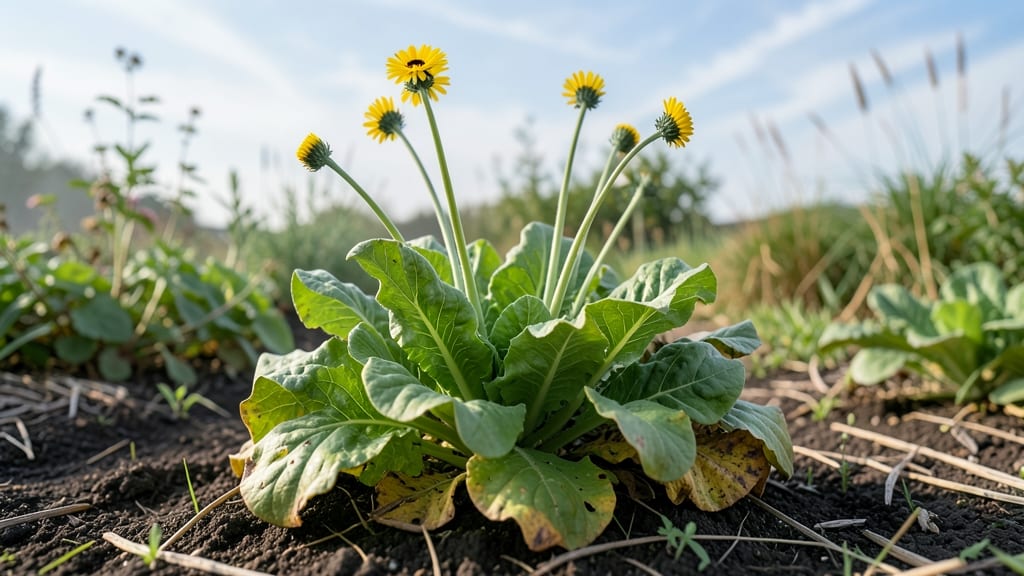
Understanding the lettuce flowering stage is the difference between a crisp salad and bitter disappointment.
If you’ve ever watched your 🥬 go from tender greens to tough, flowering stalks overnight, you know how fast this shift happens. Heat, long days, or even stress can trigger bolting, turning your harvest into seed pods before you’re ready.
This guide will show you how to spot the early signs—like elongated leaves or bitter taste—and what to do next. With the right timing and care, you can still enjoy fresh lettuce even as the plants start to flower.
Learn how to prevent bolting, extend your harvest, and troubleshoot common mistakes so you never waste another batch of greens.
What triggers the lettuce flowering stage and how to identify it
When your lettuce suddenly shoots up tall stems topped with yellow flowers, it’s officially entered the flowering stage. This process, called bolting, transforms your tender greens into bitter, fibrous stalks. Understanding the triggers behind this shift helps you harvest at the perfect moment before quality declines.
The lettuce flowering stage is triggered by three main factors: temperature stress, day length changes, and environmental stress. Once these conditions align, your lettuce shifts from leaf production to seed development, marking the end of its edible phase.
Recognizing these signs early ensures you don’t waste your hard work.
Heat waves are the #1 culprit, especially when daytime temperatures exceed 75°F (24°C). Lettuce is a cool-season crop, so sudden warmth acts like a signal to reproduce. Even a single hot day can trigger bolting, especially in varieties like Buttercrunch or Romaine. This is why spring and fall plantings thrive while summer crops often fail.
Another major trigger is day length. Lettuce is sensitive to photoperiod, meaning it responds to changes in daylight hours. As days grow longer in spring, many varieties detect this shift and bolt prematurely.
This is why short-day varieties (like Leaf Red) are better for summer gardening—they ignore longer days and focus on leaf production.
Even drought stress or nutrient deficiencies can push lettuce into flowering mode. When roots struggle to access water or nutrients, the plant perceives it as a survival threat and prioritizes reproduction over leaf growth. This is why consistent moisture and fertilization are critical for preventing bolting.
Identifying the lettuce flowering stage early is key to salvaging your crop. The first sign is bitter-tasting leaves, often appearing days before visible changes. Next, watch for tall, elongated stems shooting up from the center of the plant—this is the flower stalk forming.
By this point, the leaves may already be tough and inedible.
If you spot yellow flower buds at the top of the stalk, your lettuce is past the point of saving. These buds will soon open into bright yellow or orange flowers, followed by seed production.
At this stage, the entire plant is inedible, though you can still harvest the outer leaves for cooking if they’re not too bitter.
To avoid bolting, focus on cool-season planting (spring or fall) and use shade cloth during heatwaves. Heat-tolerant varieties like Jericho or Black Seeded Simpson can handle slightly warmer conditions, but no variety thrives in consistent summer heat.
Succession planting every 2-3 weeks ensures a steady harvest before bolting sets in.
Pro tip: Check your lettuce daily during spring and fall transitions when temperatures fluctuate. A quick taste test of the leaves can alert you to bitterness before visual signs appear. Harvesting at the first sign of bitterness guarantees the best flavor and texture.
How to harvest lettuce just before bolting for maximum freshness
Timing your lettuce harvest just before bolting ensures you get the most tender, flavorful leaves. The key is recognizing the early signs of flowering—like elongated stems or slightly bitter leaves—and acting fast.
For leaf lettuce varieties, this means using the cut-and-come-again method, while head lettuce should be harvested whole when fully mature but before stalks appear.
Bolting happens when lettuce shifts from leaf production to flowering, often triggered by heat stress, long daylight hours, or drought. If you miss the window, your once-crisp greens turn tough and seed-studded.
The good news? With the right approach, you can still salvage a harvest even as the plants start to flower.
Step-by-Step Guide to Harvesting Lettuce Before Bolting
- 1 Check leaf maturity: For leaf lettuce, harvest outer leaves when they reach 4-6 inches. For head lettuce, wait until heads are firm but before stalks form.
- 2 Use sharp shears: Cut leaf lettuce 1 inch above the base to encourage regrowth. For head lettuce, slice the entire head 1 inch above soil level with a clean knife.
- 3 Monitor for bolting: Watch for tall flower stalks or bitter-tasting leaves. If stalks appear, harvest remaining leaves immediately—they’ll be less tender but still edible.
- 4 Store properly: Rinse harvested lettuce and store in a plastic bag with a paper towel in the fridge. This keeps it crisp for up to 5-7 days.
- 5 Replant or succession plant: After harvest, replant leaf lettuce varieties or sow new seeds every 2-3 weeks for a continuous supply.
For leaf lettuce varieties like Buttercrunch or Looseleaf, the cut-and-come-again method works best. Simply snip the outer leaves, leaving the inner growth intact. This encourages regrowth for 2-3 weeks before bolting takes over.
In hot climates, even heat-tolerant varieties like Jericho may bolt faster, so prioritize shade and consistent moisture.
If your head lettuce, such as Romaine or Iceberg, starts showing signs of bolting, harvest the entire head immediately. The core will be slightly bitter, but the outer leaves remain crisp. Save any flowering stalks for seed collection if you’re growing heirloom varieties!
Pro tip: Harvest in the morning when leaves are most hydrated and crisp. Avoid harvesting during peak heat, as this stresses the plant and accelerates bolting. With these steps, you’ll maximize your harvest and minimize waste—even when bolting is on the horizon.