
Flowers
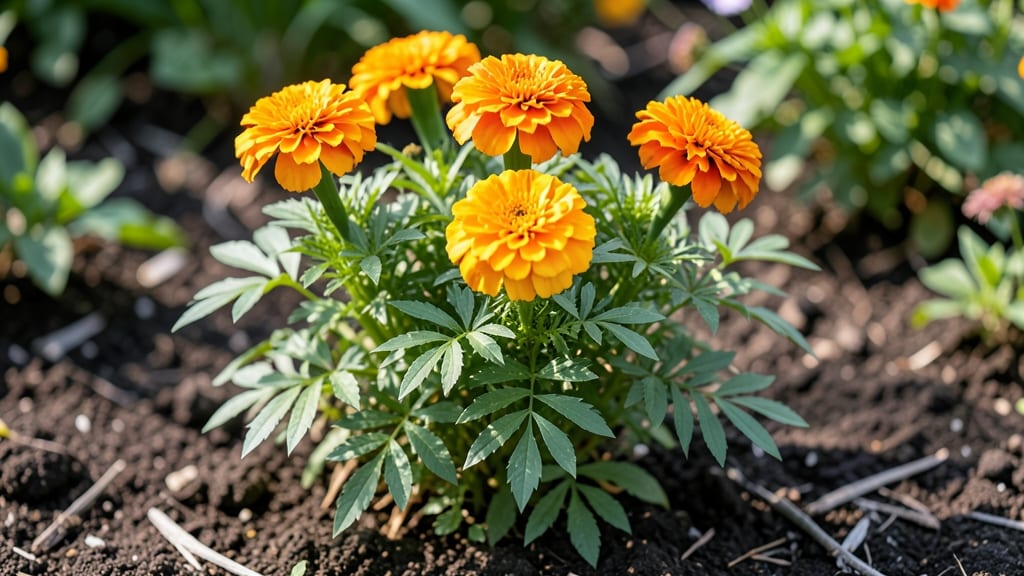
Marigolds flower in late spring through fall when planted at the right time, but timing your seeds wrong can mean weeks of waiting for those bright blooms.
If you’ve ever stared at a patch of marigolds 🌼 with nothing but green leaves and wondered where the flowers are, you’re not alone.
The key to vibrant blooms lies in planting them after your last frost—typically April to May in Zone 6a—and giving them enough sunlight and space to thrive.
These cheerful flowers love warmth and can bloom from July to October if you play your cards right. But skip the right timing, and you might end up with leggy plants that never open up.
Luckily, with a few simple adjustments—like succession planting or proper pruning—you can stretch that bloom time for months.
In this guide, I’ll break down the exact planting windows by USDA zone, the care tweaks that keep marigolds flowering all season, and the common mistakes that cut bloom time short. Ready to turn your garden into a nonstop parade of orange and gold?
USDA zone planting calendar: when to sow marigold seeds for peak blooms
Marigolds are my go-to annuals for their bold colors and pest-repelling properties, but their flowering success hinges on precise planting timing. Since marigolds thrive in warm soil, sowing too early in cold zones risks stunted growth, while waiting too long can delay those showstopping blooms you crave.
Let’s break down the exact planting windows by USDA zone to ensure your marigolds burst into color at the perfect moment.
The key to marigold flower time lies in soil temperatures and frost-free dates. Seeds need soil that’s at least 60°F (15°C) to germinate, and seedlings can’t handle frost.
I’ve mapped out monthly planting windows for zones 3 through 11, including both direct sowing and transplanting timelines for those who prefer starting seeds indoors.
For cold climates (zones 3-4), I recommend waiting until late May to sow marigold seeds directly. The soil needs to warm up significantly, and rushing it can lead to poor germination rates or leggy seedlings.
In these zones, marigolds typically bloom from July through September, so plan your garden layout to highlight them during these peak months.
In moderate zones (5-8), you’ve got more flexibility. I start sowing seeds in mid-April, and if you’re transplanting, aim for after the last frost date—usually around April 15.
This timing ensures blooms appear as early as June and continue through fall, giving you a longer flowering season than in colder regions.
Warmer zones (9-11) are where marigolds truly shine. I’ve sown seeds as early as February, and in zone 11, you can even plant year-round as long as you avoid frost.
The result? Near-continuous blooms from spring through winter, with minimal gaps. This is perfect if you love cut flowers or want vibrant color all year.
Pro tip: If you’re in a transitional zone (like 7b-8a), consider starting seeds indoors 6-8 weeks before your last frost date. This gives you a head start on the season and ensures your marigolds bloom earlier.
Just be gentle when transplanting—marigolds hate root disturbance, so use small pots and keep them moist until they’re in the ground.
For extended bloom time, I always pair my planting schedule with succession planting. Sow a second batch of seeds 6-8 weeks after your first planting to keep flowers appearing as the first batch fades.
This is especially useful in zones 5-8, where the season is shorter. Even in warmer zones, a mid-summer sowing can refresh your garden with new blooms just as the first ones start to slow down.
One mistake I’ve seen gardeners make is planting marigolds too close to frost dates, especially in colder zones. If you’re in zone 5 or below, stop sowing by mid-August to give seedlings enough time to mature before winter. Otherwise
How to extend marigold flower time with succession planting techniques
Marigolds are the unsung heroes of summer gardens, but their bloom time can feel disappointingly short if you plant them all at once.
The secret to a continuous display of those cheerful orange and gold blooms lies in succession planting—a technique where you stagger your plantings to create overlapping bloom cycles. This way, when the first batch starts fading, the next one is just getting started.
For example, in Zone 6a, I plant my first batch of marigolds in late April to bloom by July. Then, I add a second batch in early June to keep the flowers going until October.
This simple shift can turn a 3-month bloom window into a 6-month spectacle—and it’s easier than you think.
Here’s how to do it right, including spacing tips, seed timing tricks, and companion plants that keep your marigolds thriving without gaps.
-
1. Plant in 3-week intervals
Start your first batch after the last frost, then repeat every 3 weeks until mid-summer. This ensures new blooms replace fading ones seamlessly. -
2. Space seeds 6-12 inches apart
Crowded marigolds compete for nutrients, leading to smaller blooms. Use a 12-inch spacing for dwarf varieties and 18 inches for tall types like 'Tangerine Dream'. -
3. Pair with basil or nasturtiums
These companion plants deter pests like aphids, which can stress marigolds and shorten their bloom time. Plus, they add extra color to your garden beds! -
4. Deadhead spent blooms
Pinching off faded flowers redirects energy to new buds. Do this weekly to extend each plant’s bloom time by 2-3 weeks. -
5. Use slow-release fertilizer
A 5-10-10 NPK blend applied at planting provides steady nutrients. Avoid over-fertilizing in late summer, as it can delay fall blooms.
One of my favorite tricks is to plant a mix of early, mid, and late-season varieties. For example, 'Bonanza Gold' blooms early, while 'Crackerjack' holds on until frost. This variety blend creates a natural succession without extra work.
Just check your seed packet for days to maturity—aim for a range of 45 to 90 days to cover the entire season.
Don’t forget to adjust your watering as the seasons change. In summer heat, marigolds need deep watering every 5-7 days, but in fall, you can cut back to bi-weekly to encourage hardier blooms.
Mulching with straw also helps retain moisture and keeps roots cool, which is crucial for prolonged flowering.
With these techniques, your marigolds will bloom from early summer to frost, turning your garden into a year-round pollinator magnet. The best part? You’ll spend less time replanting and more time enjoying those bright, cheerful faces. Happy planting! 🌼