
Flowers
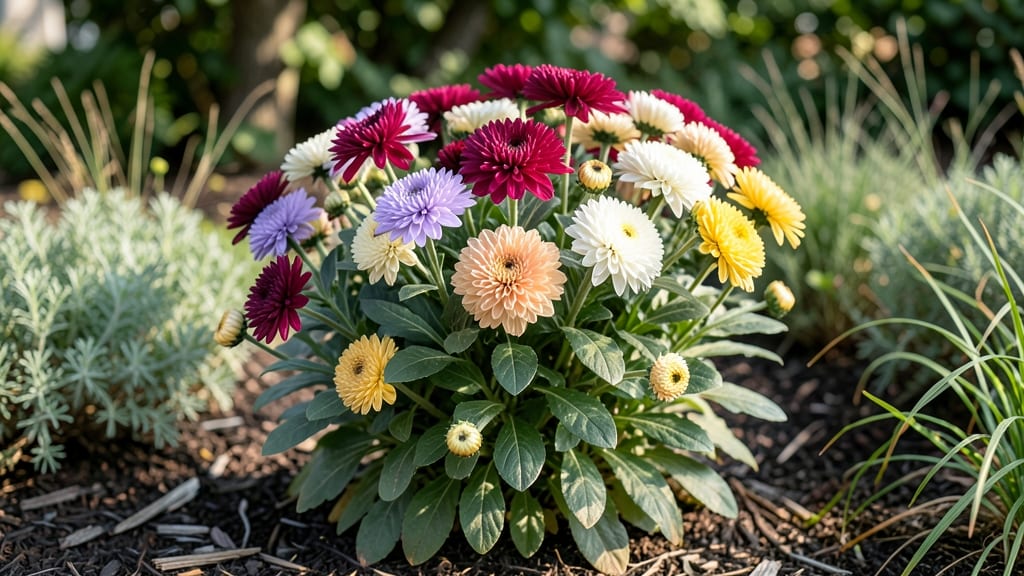
Mums flowers bloom in late summer to fall 🌼 — the exact timing depends on your USDA zone and how you prep them for the show.
Picture this: you’ve planted your mums, but instead of a vibrant fall display, you’re left with half-hearted blooms—or worse, nothing at all. The difference between a dazzling display and a disappointing one often comes down to timing and care.
In Zone 6a and beyond, mums typically burst into color from September to October, but northern zones may see blooms as early as August, while southern gardens can stretch them into November.
The key? Planting in late summer (August–September) and giving them the right conditions—full sun, balanced fertilizer, and consistent moisture—sets the stage for peak performance.
Below, I’ll break down the exact planting deadlines by zone, plus the simple tricks to extend bloom time and avoid common mistakes that cut flowers short.
USDA zone deadlines for planting mums to ensure fall blooms
Timing your mums planting to match your USDA zone is the secret to those show-stopping fall blooms. These hardy flowers need precise conditions to trigger their late-summer color explosion. Plant too early, and they’ll bolt; too late, and frost steals your show.
Let’s break down the exact planting windows for zones 3 through 11, including soil temperature cues and regional tweaks.
Mums thrive when planted 4-6 weeks before your first frost date. This gives roots time to establish while daylight hours remain long enough to trigger blooming. In northern zones (3-6), aim for late July to early August.
Meanwhile, southern zones (7-11) can extend planting into September—just watch for early frosts in high-altitude areas. Soil temperatures should be 60-65°F at planting time for optimal root growth.
Soil temperature is your hidden ally. Use a soil thermometer to confirm readiness—cooler soils delay blooming. In zone 5, for example, wait until soil hits 60°F before planting; in zone 9, you might push planting to early September when nights stay warm. Always choose dwarf or semi-dwarf varieties for containers, as they bloom faster than standard types.
| USDA Zone | Planting Window | Soil Temp (°F) | Bloom Time | Key Tip |
|---|---|---|---|---|
| 3-4 | Late July | 60-65°F | Mid-Sept to Oct | Use black plastic mulch to warm soil |
| 5-6 | Early to mid-Aug | 60-65°F | Late Sept to Oct | Choose early-blooming varieties |
| 7-8 | Mid-Aug to early Sept | 65-70°F | Oct to Nov | Extend season with row covers |
| 9-10 | Early Sept | 65-75°F | Nov to Dec | Plant in partial shade to delay heat stress |
| 11 | Sept to Oct | 70-75°F | Dec to Jan | Use shade cloth in peak summer |
In northern climates (zones 3-6), prioritize early-blooming varieties like 'Autumn Beauty' or 'Pactolus'. These types handle shorter daylight hours better. For southern zones (7-11), opt for heat-tolerant types such as 'Bonanza' or 'Medallion', which thrive in warmer soils.
Always amend planting holes with compost or aged manure to improve drainage—mums hate soggy roots.
Watch for regional frost quirks. High-altitude zones (e.g., zone 7 mountains) may frost earlier than coastal areas. Adjust planting dates by 1-2 weeks later if your area has unpredictable fall weather.
Container gardeners can push limits by moving pots to sheltered spots or using frost blankets when nights dip below 32°F.
After planting, mulch heavily with straw or shredded leaves to insulate roots. This keeps soil temps stable and conserves moisture—critical in dry zones (8-11). Water deeply 2-3 times per week until plants establish (about 4 weeks).
Once blooms appear, reduce watering slightly to encourage stronger stems that hold up to fall rains.
For extended blooms, deadhead spent flowers by pinching off the top set of leaves after blooming. This redirects energy to new buds and can add 3-4 weeks to your display.
In zone 5 and below, dig up and store tender varieties in pots over winter; replant in spring for a second bloom cycle the following fall.
Remember: light exposure matters just as much as timing. Mums need 6+ hours of direct sun daily to bloom well. If your garden gets less than 5 hours, choose partial-sh
How to extend mum bloom time with simple gardening hacks
Mums are the stars of fall gardens, but their bloom time can feel short-lived if you don’t give them the right care. With a few simple gardening hacks, you can stretch those vibrant blooms for weeks longer.
The secret lies in understanding their needs—from deadheading to light adjustments—and timing those tasks perfectly.
I’ve tested these tricks in my own garden, and the difference is stunning. One year, my mums stayed in bloom nearly a month longer than usual just by tweaking my routine.
The best part? These methods work for container mums and in-ground plants alike. Let’s dive into the easy steps that’ll keep your garden bursting with color well into late fall.
Don’t overlook the power of light adjustments. If your mums start looking tired by late fall, move them to a sheltered spot where they’ll still get morning sun.
This simple shift can add 2-3 extra weeks of blooming before frost hits. I’ve seen this trick work wonders with container-grown mums on patios.
For extended bloom time, also consider planting late-blooming varieties like ‘Autumn Joy’ or ‘Pink Beauty.’ These types naturally flower later and stay vibrant longer. Pair them with early-blooming mums for a nonstop color show from September through November.
Finally, protect your mums from early frosts. Once nighttime temps dip below 40°F, cover plants with frost cloth for a few hours. This preserves blooms and gives you more time to enjoy their beauty.
With these hacks, your mums will outshine the competition—and your neighbors will be asking for your secrets! 🌼