
Flowers
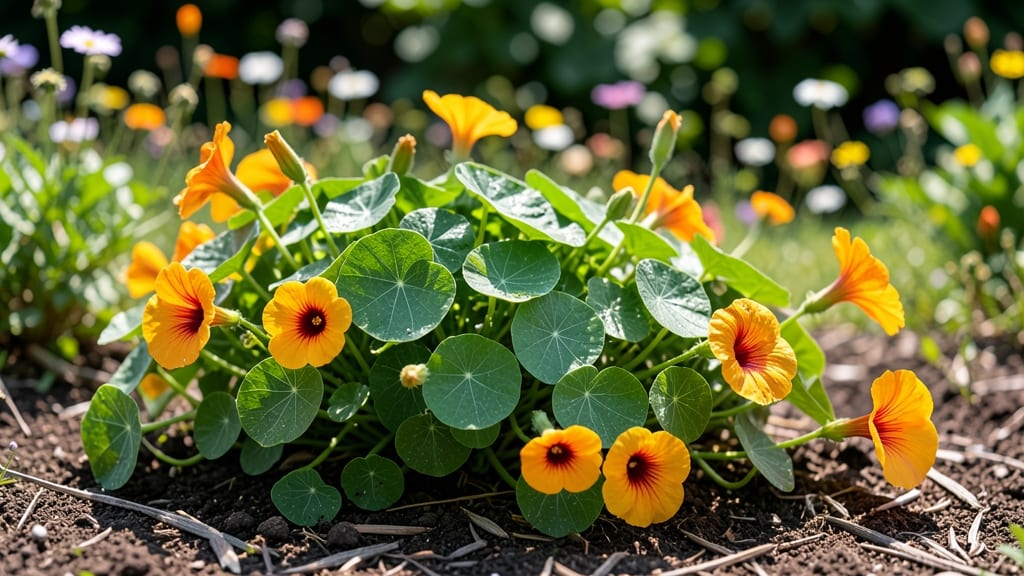
Nasturtium flowers bloom from early summer through fall 🌸, turning your garden into a riot of color and flavor—but the exact timing depends on where you live and which variety you grow.
Picture this: you’ve just tucked in your seeds in spring, and by June, those first bright orange, yellow, or red blooms appear, drawing bees and butterflies to your yard.
But if you’re in a cooler zone or growing a late-blooming type, you might not see them until July or even August. The difference can mean the gap between a short burst of color and a prolonged display that lasts until frost.
In USDA Zone 6a, where many gardeners plant nasturtiums in April or May, blooms typically kick off in June and continue until October. Warmer zones like 8-10 can see flowers as early as May, while cooler climates might delay them until July.
And let’s not forget the varieties—some, like ‘Alaska,’ start early, while others, like ‘Empress of India,’ shine later in the season.
Want to stretch that bloom time? I’ll show you how to choose the right varieties, adjust care, and even pair nasturtiums with other plants to keep your garden vibrant from June through October—or even longer.
Nasturtium bloom times by US hardiness zones: month-by-month guide
Nasturtiums thrive as cool-season annuals that reward gardeners with vibrant blooms from early summer through fall—but their exact flowering timeline shifts dramatically across USDA hardiness zones 3-11.
In colder zones like 3-5, you’ll see earlier blooms starting in late May, while warmer zones 9-11 can enjoy continuous flowering from March through December with proper care. Understanding these patterns lets you time your plantings for nonstop color and even harvest edible flowers year-round.
The key to maximizing nasturtium blooms lies in their heat tolerance and daylength sensitivity. Most varieties bolt quickly when temperatures exceed 85°F (29°C), while cooler climates trigger longer flowering seasons.
For example, Alaska varieties in zone 4 may bloom from June to October, while tropical types in zone 11 can flower year-round with minimal dormancy. Let’s break down the month-by-month expectations so you can plan your garden like a pro.
🌱 Pro Tip: Use this zone guide to stagger plantings every 2-3 weeks. In zones 3-7, start with early varieties in May, then follow with mid-season types in June for extended blooms through frost.
In zones 3-4, where short growing seasons are the norm, nasturtiums bolt rapidly in summer heat, so focus on early-summer plantings (late May) and shade protection during peak heat.
The Alaska variety is a standout here, offering bright orange blooms that thrive in cooler climates and resist bolting better than most. Pair it with cool-season veggies like lettuce for a pest-deterring companion combo.
Gardeners in zones 5-7 enjoy the longest bloom windows, with June through October being prime time. This is where staggered plantings shine—sow Empress of India in early June for late-summer color, then follow with Jewel Mix in July for fall interest.
The Lady Bird variety, with its red-and-yellow blooms, performs exceptionally well in these zones and attracts pollinators like bees and butterflies.
For zones 8-10, where mild winters create near-year-round growing conditions, nasturtiums become perennial powerhouses. Plant Maestro Orange in February for early blooms, then let it self-seed for spontaneous regrowth after deadheading. In zone 10+, nasturtiums flower continuously if given partial shade during
Top 5 nasturtium varieties and their unique bloom windows
Choosing the right nasturtium variety can transform your garden's bloom timeline from a short summer splash to a colorful season-long display. Each type has distinct flowering windows, colors, and growth habits that influence when—and how long—they'll brighten your space.
Whether you're after early spring blooms or late-season cut flowers, these top 5 varieties offer something special.
From the compact 'Alaska' series, perfect for containers, to the towering 'Empress of India' with its dramatic height, each variety blooms at different times. Understanding these windows helps you plan succession planting or create a continuous flower display from spring through fall.
Let's dive into the specifics of when to expect blooms—and how to maximize their beauty.
The Alaska Series kicks off the season earliest, often blooming as soon as late May in warmer climates. Its compact size makes it ideal for window boxes or hanging baskets, where you can enjoy its cheerful colors from spring through fall.
For extended cut flower arrangements, the Maestro Yellow variety stands out—its golden blooms start in early June and last until the first frost, providing a long harvest window for floral designs.
If you're aiming for a dramatic vertical display, the Empress of India is unmatched. This tall-growing variety begins blooming in June and continues until frost, with its deep red flowers creating a striking focal point.
Pair it with light-colored annuals like sweet alyssum to amplify its impact. Meanwhile, the Jewel Mix offers a pollinator magnet with its multi-colored blooms, attracting bees and butterflies from June through October.
For culinary gardeners, the Peach Melba variety is a standout choice. Its delicate peach and cream flowers not only add elegance to plates but also bloom from late June through October.
This variety thrives in partial shade, making it perfect for underplanting taller perennials or adding color to shady corners. To maximize your garden's bloom time, consider planting a mix of these varieties—each brings something unique to your seasonal display.
Pro tip: Deadhead spent blooms regularly to encourage continuous flowering, especially with long-blooming varieties like the Empress of India. This simple step can extend their bloom windows by 2-4 weeks, giving you even more time to enjoy their vibrant colors and edible charms.