
Shrubs
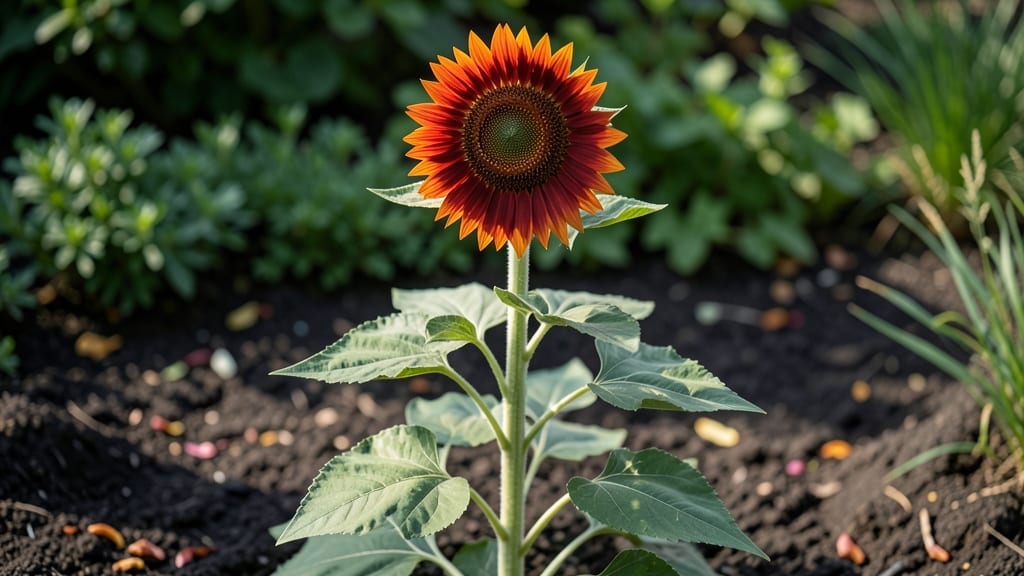
The Red Sun sunflower height you can expect is 3 to 5 feet—taller than a standard patio chair but far from the giants you’ve seen towering over baseball fields. If you’ve ever planted sunflowers only to watch them flop over or stay stubbornly short, you’re not alone.
This variety is a game-changer for gardeners who want bold, fiery blooms without the space commitment of massive varieties. Unlike its towering cousins, the Red Sun thrives in smaller gardens while still delivering that classic sunflower drama.
But here’s the catch: its height depends on a few key factors, from soil prep to sunlight.
In this guide, I’ll break down exactly how tall these sunflowers grow, when to expect those vibrant red blooms, and how to give them the best shot at reaching their full potential.
Whether you’re planting for cut flowers or bird feeders, you’ll learn how to coax every inch of height out of your 🌻 Red Suns.
We’ll also compare them to other sunflower types, cover spacing tips, and share pro tricks to keep stems sturdy—so you can enjoy those showstopping blooms all season long.

Red Sun sunflower height guide: mature size, growth stages, and space requirements
The Red Sun sunflower is a stunning annual variety that delivers bold, fiery red blooms—but its mature height often surprises gardeners.
Unlike giant sunflower varieties that can reach 12 feet, Red Sun typically matures between 3 to 5 feet tall, making it perfect for smaller gardens, containers, or cut flower arrangements. Understanding its growth stages and spacing needs will help you plan for a showstopping display without overcrowding.
This variety thrives in USDA Zones 4-9 and follows a predictable growth timeline. From seed to full bloom, Red Sun sunflowers usually take 60 to 90 days, depending on your climate and planting time.
Early summer plantings often produce flowers by mid-to-late summer, while fall plantings may extend blooms into early autumn. Proper spacing is key—crowding can stunt growth, while too much room may lead to floppy stems.
Here’s a quick breakdown of what to expect with Red Sun sunflowers, including how their height compares to other popular varieties and how environmental factors influence their growth.
| Attribute | Red Sun Sunflower | Comparison Varieties |
|---|---|---|
| Mature Height | 3–5 feet | Autumn Beauty: 4–5 ft | ProCut: 5–7 ft |
| Growth Timeline | 60–90 days to bloom | Russian Giant: 90–120 days | Teddy Bear: 50–60 days |
| Spacing Needs | 12–18 inches apart | Russian Giant: 24+ inches | Dwarf Sunspot: 6–12 inches |
| Sunlight Needs | Full sun (6+ hours/day) | All sunflowers require full sun |
| Soil Requirements | Well-draining, fertile | Same for most varieties |
| Best For | Cut flowers, bird feeders, small gardens | Russian Giant: Giant blooms | Teddy Bear: Child-friendly |
One of the biggest factors influencing Red Sun sunflower height is spacing. Planting seeds 12 to 18 inches apart gives them enough room to develop strong stems and reach their full potential.
If you’re growing them in containers, opt for at least a 12-inch diameter pot to avoid root competition. Overcrowding can lead to shorter, weaker stems and fewer blooms, so don’t skimp on space!
Sunlight and soil quality also play critical roles in determining how tall your Red Sun sunflowers will grow. This variety thrives in full sun (6+ hours daily) and well-draining soil rich in organic matter. Amend heavy or clay soil with compost to improve drainage and nutrient availability. Poor soil conditions can stunt growth, so a pre-planting soil test is worth the effort if your garden soil is unknown.
When comparing Red Sun sunflowers to other varieties, you’ll notice they’re shorter than giants like Russian Giant (10–12 feet) but taller than dwarf types like Sunspot (2–3 feet). Their compact size makes them ideal for cut flower arrangements, where their vibrant red blooms stand out against greenery.
For bird lovers, their seeds provide a nutritious snack for finches and other seed-eating birds.
If you’re aiming for taller Red Sun sunflowers, focus on consistent watering and light fertilization. Too much nitrogen can lead to leafy growth at the expense of height, while too little can slow development.
A balanced 10-10-10 fertilizer applied once at planting and again after 4 weeks is ideal. Avoid over-fertilizing, as this can weaken stems and make them more prone to lodging (falling over).
For gardeners in cooler climates (Zones 4–5), consider starting seeds indoors 4–6 weeks before the last frost to give them a head start.
In warmer zones (Zones 6–9), direct sowing after the last frost date works well. Early planting ensures blooms arrive by midsummer, while fall plantings can extend the season into autumn. Just be mindful of your frost-free days—Red Sun sunflowers are annuals and won’t survive winter.
To maximize height and stability, consider light staking for taller specimens. Use bamboo stakes or tomato cages placed gently beside the stem as it grows. Avoid tying too tightly, as sunflower stems can grow rapidly and may outgrow their support.
If you notice stems leaning, gently guide them toward the stake without forcing them—this encourages natural strength.
Finally, remember that Red Sun sunflowers are not self-supporting like some taller varieties. Their 3–5 foot height makes them vulnerable to wind and rain, so mulching around the base with straw or wood chips can help anchor them.
This also retains moisture and suppresses weeds, reducing competition for nutrients that could limit their growth potential.
How to maximize Red Sun sunflower height: pro tips for towering blooms
To coax your Red Sun sunflowers to reach their 3-to-5-foot potential, start with the right foundation. These sunflowers thrive when planted in well-draining, nutrient-rich soil with a pH between 6.0 and 7.5.
I always mix in compost or aged manure before planting to give them a nutrient boost right from the start. This variety isn’t picky, but it rewards good soil prep with stronger, taller stems.
Another secret to maximizing height is consistent watering. Deep watering twice a week during dry spells keeps the soil evenly moist without waterlogging the roots. I water mine in the early morning to reduce evaporation and fungal risks.
Avoid overhead watering—it can weaken stems and lead to flopping blooms later in the season.
Now, let’s talk support. While Red Sun sunflowers don’t need staking like their giant cousins, they benefit from gentle guidance. I use soft plant ties or bamboo stakes to support taller stems, especially in windy areas.
This prevents them from leaning or snapping under their own weight. If you’re growing them in containers, choose a wide, deep pot to stabilize their growth.
🌱 Common Mistakes That Stunt Red Sun Sunflower Height
- 1. Overcrowding: Planting seeds too close (less than 6 inches apart) competes for nutrients and light, stunting growth.
- 2. Inconsistent watering: Drought stress or soggy soil weakens stems, leading to shorter, leggy plants.
- 3. Skipping soil prep: Planting in poor-quality soil without compost or fertilizer limits root development.
- 4. Late planting: Sowing after mid-May reduces the growing season, cutting height potential.
- 5. Over-fertilizing: Too much nitrogen promotes leafy growth but stunts flower production and height.
Pruning plays a surprising role in height too. If you notice side shoots forming near the base, pinch them off early. This redirects energy to the main stem, encouraging vertical growth.
I also remove any damaged or yellowing leaves to keep the plant focused on producing that stunning red bloom. Just avoid pruning once the flower bud forms—you’ll risk reducing bloom size.
For container growers, succession planting is a game-changer. Sow new seeds every 2 weeks in early spring to extend your blooming season and ensure continuous tall stems.
I’ve found that trellising can also work for Red Suns, though it’s less common. If you’re ambitious, try a lightweight trellis for extra support in wind-prone areas.
Finally, don’t forget about light exposure. These sunflowers need 6+ hours of direct sunlight daily to reach their full height. If your garden gets partial shade, consider planting them in the sunnest spot available.
I’ve seen Red Suns in morning sun with afternoon shade still thrive, but they’ll be shorter than those basking in full sun all day.