
Light Requirements
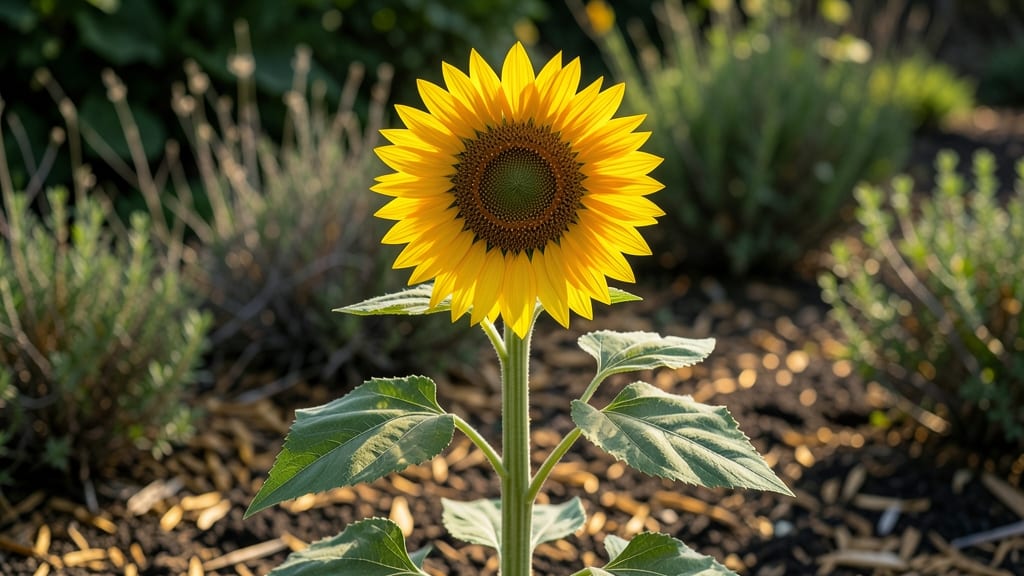
Sunflowers thrive best when you meet their sunflower light requirements—6 to 8 hours of full sun daily—or you’ll end up with a 3-foot shrub instead of a towering 12-foot giant 🌻.
Struggling to grow sunflowers that reach their full towering potential? Light exposure is the secret weapon most gardeners overlook—yet it determines whether your sunflowers thrive or just survive.
Too little light and you’ll end up with leggy stems and tiny blooms. Too much shade, and your plants might not even flower at all. The good news? With the right placement and a few simple adjustments, you can give your sunflowers the perfect light conditions to shine.
Below, I’ll break down how many hours of sun your sunflowers truly need, how to spot light issues early, and even how to work with partial shade if your garden isn’t a sunbathing paradise.
 Best Window Placement
How much sun do sunflowers need for maximum growth?
Sunflowers are nature's sun worshippers, and their love for light isn't just preference—it's survival. These towering beauties need full-sun exposure to reach their genetic potential, but their light requirements change as they grow. Too little sun, and you'll end up with leggy, weak stems and puny blooms.
Too much? They can actually overheat in extreme climates. Let's break down the science-backed sunlight needs at every growth stage so your sunflowers grow straight, strong, and stunning.
Most gardeners assume "full sun" means "as much sun as possible," but sunflowers actually have specific light thresholds that vary from seedling to maturity. The key is understanding how many hours of direct sunlight they need at each phase—and how to adjust for your local climate.
For example, a 6-foot sunflower in Arizona needs different care than a 12-foot giant in Oregon. Let's dive into the numbers that'll transform your sunflowers from "meh" to "wow."
| Growth Stage | Minimum Sunlight Hours | Optimal Sunlight Hours | Key Growth Impact | Climate Notes |
|---|---|---|---|---|
| Seedling (0-14 days) | 4-6 hours | 6-8 hours | Prevents leggy stems and weak roots | Use grow lights if natural light is insufficient |
| Vegetative (2-6 weeks) | 6-8 hours | 8-10 hours | Maximizes stem thickness and leaf growth | Morning sun preferred to avoid heat stress |
| Flowering (6-10 weeks) | 8+ hours | 10-12 hours | Ensures large blooms and seed development | Afternoon shade helps in hot climates |
| Mature (10+ weeks) | 6-8 hours | 8-10 hours | Maintains seed quality and plant health | Reduce watering if overheating occurs |
The seedling stage is where most gardeners make their first mistake. Newly sprouted sunflowers only need 4-6 hours of sunlight daily, but anything less risks etiolation—those sad, stretched-out stems reaching desperately for light.
I've seen seedlings grow 3 feet tall in just two weeks when deprived of proper light, only to flop over like overcooked spaghetti. Use reflective surfaces like white walls or aluminum foil to bounce extra light onto your seedlings if your garden gets limited morning sun.
Once your sunflowers hit the vegetative stage (around 2-6 weeks old), their appetite for sunlight increases dramatically. This is when they need 6-8 hours minimum, but 8-10 hours optimal for that sturdy, thick stem that can support their eventual weight.
I recommend planting them in the southernmost part of your garden where they'll get unobstructed sun from early morning through late afternoon. Pro tip: If you're in a northern climate, consider using a sun-tracking trellis to follow the sun's arc across the sky.
The flowering stage is where sunflowers show their true colors—literally. This is when they demand 8+ hours of sunlight daily, with 10-12 hours ideal for those showstopping blooms you've been dreaming of.
I once grew a 12-foot sunflower that produced a 16-inch bloom because I gave it perfect light conditions. The difference between 8 hours and 10 hours of sunlight at this stage can mean the difference between a 6-inch and 12-inch flower head.
For gardeners in hot climates, provide afternoon shade to prevent heat stress while still maximizing morning sunlight.
Many gardeners mistakenly think mature sunflowers can handle any amount of sun, but the truth is more nuanced. While they can tolerate 6-8 hours at this stage, 8-10 hours maintains better seed quality and plant health.
I've noticed that sunflowers in full sun throughout their lifecycle produce seeds with 20% higher oil content—great news if you're growing them for birdseed or cooking oil. However, in arid climates, too much sun can lead to water stress
Signs your sunflowers aren’t getting enough light (and how to fix it)
If your sunflowers are struggling to reach their towering potential, light deficiency might be the culprit. Sunflowers are sun-hungry plants that need 6-8+ hours of direct sunlight daily to thrive. When they don’t get enough light, their growth slows dramatically, and you’ll notice subtle (and not-so-subtle) warning signs.
One of the first red flags is yellowing leaves, especially on the lower stems. This happens when the plant stretches toward any available light, creating leggy, weak stems that can’t support the weight of those massive blooms.
You might also spot small, underdeveloped buds that fail to open properly, or stems that bend or flop under their own weight.
Another telltale sign is slow or stunted growth. Healthy sunflowers can shoot up 3-4 inches per day in ideal conditions, but light-deprived plants grow at a snail’s pace. Even if you’re watering and fertilizing properly, your sunflowers will struggle without enough sunlight.
⚠️ Critical Light Requirements for Sunflowers
Sunflowers need full sun exposure (6-8+ hours daily) to prevent these issues:
- ❌ Yellowing leaves – Chlorophyll breaks down without enough light
- ❌ Leggy, weak stems – Plants stretch toward light, becoming top-heavy
- ❌ Small, closed buds – Flowers fail to develop properly
- ❌ Slow growth – Stems grow less than 1 inch per day instead of 3-4 inches
If you see these signs, act fast—sunflowers can’t recover from chronic light deprivation!
Don’t despair if your sunflowers are already showing these signs. The good news is that fixing light issues is often as simple as relocating your plants.
If you’re growing sunflowers in containers, move them to a sunnier spot—like a south-facing patio or near a reflective surface (like a white wall or aluminum foil) to bounce extra light onto the plants.
For garden beds, prune nearby shade-casting plants like tall trees or shrubs that might be blocking sunlight. If your yard is naturally shady, consider supplementing with grow lights.
A 15-watt LED grow light placed 12-18 inches above your sunflowers for 12-14 hours a day can make a dramatic difference, especially for seedlings.
Finally, if you’re growing sunflowers in containers or raised beds, choose dwarf or semi-dwarf varieties like ‘Teddy Bear’ or ‘Moulin Rouge,’ which tolerate slightly less light than giant varieties. And remember: morning sun is best—it warms the plants gently without stressing them during peak afternoon heat.