
Light Requirements
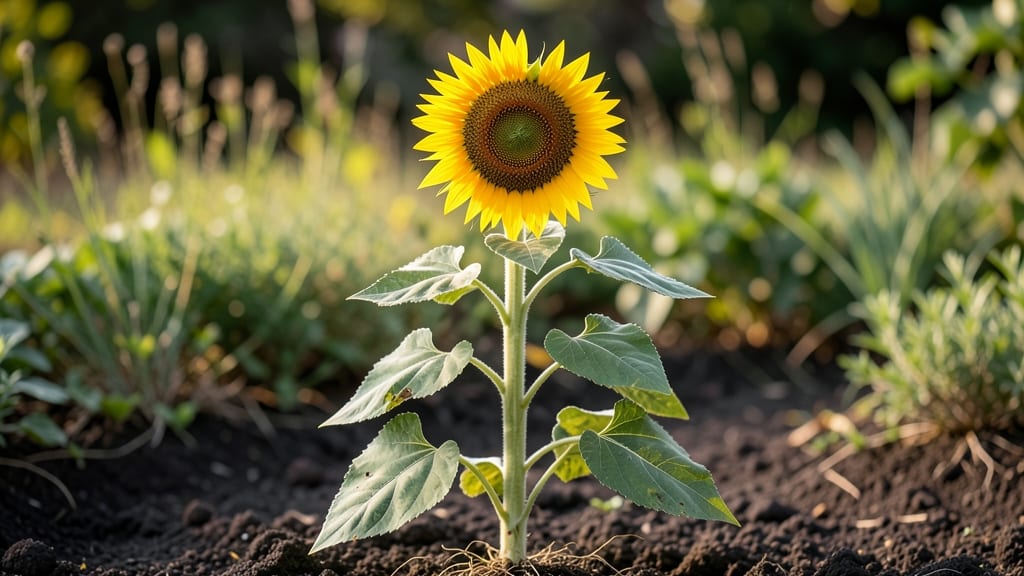
Understanding the sunflower sunlight requirements is key to growing tall, vibrant blooms—without enough light, you’ll end up with weak stems and tiny flowers.
Struggling to grow sunflowers that reach their full towering potential? Sunlight is the #1 factor—yet many gardeners overlook the exact hours needed for vibrant blooms and strong stems.
Think of your sunflowers as sun worshippers: they thrive in full sun, meaning at least six hours of direct rays, but 8-12 hours is ideal for those iconic towering blooms. Too little light, and they’ll stretch toward the sky like they’re reaching for a high-five.
In this guide, I’ll break down how much sunlight sunflowers truly need, how to spot when they’re not getting enough, and practical tricks to maximize their growth—even in less-than-perfect spots.
 Best Window Placement
How many hours of sunlight do sunflowers need daily?
Sunflowers are sun-worshippers by nature, and their sunlight requirements are the foundation of their towering growth. Without enough light, you’ll end up with weak stems and small blooms instead of the dramatic, sun-kissed flowers you envision.
Understanding their needs isn’t just about hours—it’s about light intensity and how it changes as your plants grow.
The minimum sunlight threshold for sunflowers is 6 hours of direct sun daily. This is the absolute baseline to keep them alive, but it’s not enough for their full potential. Think of it like a starving athlete—they’ll survive, but they won’t perform.
For vibrant blooms and sturdy stems, aim for 8 to 12 hours of sunlight per day, which is what most gardeners call full sun exposure.
Here’s the science behind it: Sunflowers use sunlight for photosynthesis, which fuels their rapid vertical growth. Their seedlings need gentle, indirect light to prevent scorching, while mature plants thrive under intense midday rays.
The key is balancing light duration with light intensity—too little light at any stage slows growth, and too much can stress young plants.
🌻
During the seedling stage, sunflowers are delicate and can’t handle the same intensity as mature plants. I’ve seen young leaves scorch when exposed to midday sun for too long.
If your seedlings are getting 4-6 hours of morning sun with afternoon shade, they’ll develop stronger roots before transitioning to full sun. This gradual acclimation is called hardening off, and it’s a game-changer for survival rates.
Once your sunflowers hit the vegetative growth stage (around 4-8 weeks), they’re ready for full sun exposure. This is when you’ll notice their rapid vertical growth kick into high gear. The more sunlight they receive during this phase, the thicker and stronger their stems become.
I’ve grown sunflowers in 8-hour sunlight conditions and still gotten impressive heights, but the flower heads were smaller compared to those in 10+ hours of sun.
At the flowering stage (8-12 weeks), sunlight becomes non-negotiable. This is when sunflowers channel their energy into bloom production, and 8-12 hours of direct sun is ideal. I’ve experimented with partial shade during this phase, and while the plants survived, the flower diameters shrank by 30-50%.
The light intensity during these hours is just as important as the duration—bright, direct rays fuel the energy needed for those iconic sunflower faces.
For mature plants (12+ weeks), sunlight needs shift slightly. While they still thrive in full sun, they can tolerate 6-10 hours daily once the seeds begin to form.
This stage is all about seed maturation, and while they don’t need as much light as during flowering, consistent exposure ensures plump, viable seeds. I’ve left some mature sunflowers in partial shade for seed production, but the yield was significantly lower.
One common mistake I see is assuming all sunlight is equal. Morning sun is gentler and helps prevent leaf burn, while afternoon sun is more intense and can stress plants if they’re not acclimated.
If your garden only gets strong afternoon sun, consider planting sunflowers where they’ll receive morning light first. You can also use ref
Signs your sunflowers aren’t getting enough sunlight (and how to fix it)
Sunflowers are sun-worshippers by nature, and when they don’t get enough light, they send clear signals. The first warning sign is leggy, weak stems that stretch desperately toward any available light source.
These etoliated stems (a fancy term for sunlight-starved growth) become thin and prone to snapping in wind or rain. You’ll also notice smaller-than-expected blooms—some gardeners swear their sunflowers max out at 3 feet tall instead of reaching their 10+ foot potential.
Another dead giveaway is yellowing leaves, especially on the lower stems. Unlike nutrient deficiencies that start at leaf tips, sunlight deprivation causes pale, chlorotic leaves along the entire plant.
Even the flower buds themselves may fail to open properly, remaining tightly closed or producing stunted, misshapen blooms that lack the classic sunflower vibrancy.
🌱
⚠️ Sunflower Sunlight Crisis: Critical Thresholds
Minimum Viable Light: 4-5 hours (barely survives, poor flowering)
Stress Zone: 5-6 hours (leggy growth, weak stems)
Ideal Range: 8-12 hours (vibrant blooms, strong stems)
Maximum Tolerance: 14+ hours (may scorch in extreme heat)
Sunflowers compensate for light deprivation by elongating stems—this "stretching" is their survival mechanism, not healthy growth.
If your sunflowers are already planted in a partial-shade spot, don’t panic—there are fixes! First, rotate your plants every 2-3 days to ensure all sides get equal light exposure. For container growers, place pots on a sunny windowsill or balcony where they can follow the sun’s arc.
A reflective surface like white gravel or a mirrored panel behind your sunflowers can bounce 20-30% more light onto their leaves.
For in-ground sunflowers, consider thinning nearby plants that cast shade (like tall corn or dense shrubs). If your garden has morning sun only, choose dwarf varieties like 'Teddy Bear' (3-4 feet) that mature faster and tolerate shorter daylight better.
Even a south-facing vertical trellis can help angle leaves toward more sunlight during critical afternoon hours.
One often-overlooked trick is pruning lower leaves to reduce shade competition within the plant itself. By removing the bottom 6-12 inches of foliage, you allow light to penetrate deeper and encourage stronger stem development. Just be gentle—sunflowers are delicate when young, and aggressive pruning can stress them further.
For extreme cases, supplement with a grow light (LED or fluorescent) positioned 12-18 inches above the plants for 4-6 hours daily. Aim for 10,000-15,000 lux of light intensity to mimic natural sunlight. Pair this with a balanced fertilizer (5-10-10) to support the extra energy demands of light-deprived growth.
☀️