
Planting
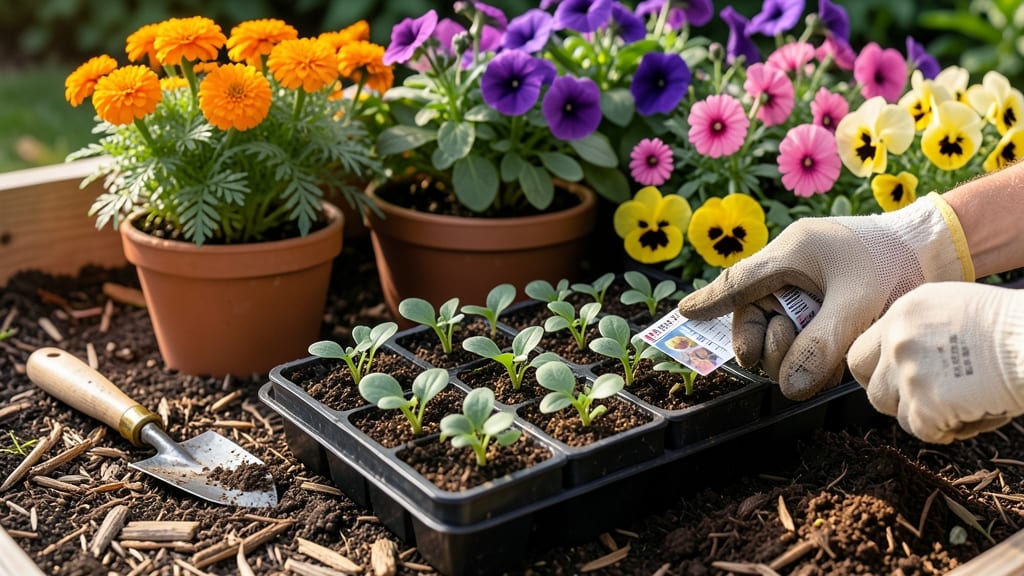
You can plant flowers outside after your last frost date, when soil warms to at least 60°F and nighttime temperatures stay above 50°F.
Timing your flower planting just right can mean the difference between a vibrant garden and a sad, frost-bitten disappointment. But with so many hardiness zones and flower types, when exactly should you move those seedlings outside?
For USDA Zone 6a, like much of the Midwest, aim for mid-April to early May when the risk of frost has passed. In warmer zones, like Zone 8 or 9, you might start as early as February, while cooler climates like Zone 4 wait until late May or June.
Below, I’ll break down the best planting windows by zone, how to tell if your local climate is truly ready, and the fastest-growing flowers for quick color—so you can skip the guesswork and get blooming.
Frost-free dates by USDA hardiness zones: exact planting timelines
Knowing your USDA hardiness zone is the first step to successful flower planting, but the exact frost-free date in your area determines when you can safely move tender seedlings outside. These timelines vary dramatically—from early March in Zone 10 to late May in Zone 3.
For annual flowers like marigolds or pansies, planting too early can mean frost damage, while waiting too long might delay your blooms until summer.
Perennial flowers, like coneflowers or black-eyed Susans, have different rules—they often thrive when planted in fall or early spring to establish roots before summer heat. Let’s break down the last frost dates by zone and how they affect your planting schedule for both annuals and perennials.
Pro Tip: Use a local frost calendar (like the Old Farmer’s Almanac) to fine-tune these dates—your microclimate might differ by 1-2 weeks from the average. For example, valley areas warm faster than hilltops, even in the same zone.
In Zone 3, where winters are harsh, wait until mid-to-late May to plant annuals like cosmos or sunflowers. These flowers tolerate cooler soil but won’t survive a late frost.
Meanwhile, perennials like peonies can be planted in early spring or fall to give roots time to establish before winter.
By Zone 7, you can start planting cool-season annuals like pansies or snapdragons as early as late March. These early bloomers thrive in cooler weather and even add color to spring gardens before summer heat arrives.
For heat-loving flowers like petunias or marigolds, wait until after April 15 to avoid stunted growth.
In warmer Zones 8–10, the rules relax—you can plant annuals year-round, though summer heat may require extra shade and water. Perennials like lav
How to adjust planting times for cold-hardy vs. heat-sensitive flowers
Not all flowers play by the same rules when it comes to planting timing. Cold-hardy flowers like snapdragons and pansies can handle light frosts, while heat-sensitive varieties such as petunias and impatiens wilt in temperatures below 50°F. Knowing which category your flowers fall into helps you avoid premature frost damage or heat stress.
In USDA Zones 3-5, you can often plant cold-tolerant flowers as early as late April to early May, while heat-loving flowers should wait until mid-May to June when soil temperatures rise above 60°F. In warmer zones (Zones 8-10), the opposite is true—heat-sensitive flowers thrive when planted in early spring to avoid summer heat.
Cold-Hardy Flowers
- ✅ Plant early (April-May)
- ✅ Tolerate light frosts (32-40°F)
- ✅ Examples: Snapdragons, Pansies, Calendula
Heat-Sensitive Flowers
- ❌ Avoid early planting (wait until May-June)
- ❌ Wilt in temps below 50°F
- ❌ Examples: Petunias, Impatiens, Begonias
If you live in a transition zone (like Zone 6 or 7), where spring temperatures fluctuate wildly, consider using season extenders like floating row covers or mini greenhouses. These tools can protect heat-sensitive flowers from late frosts while giving cold-hardy varieties a head start.
For example, I planted petunias under a row cover in early May in Zone 6, and they bloomed just as vibrantly as those planted in June.
Meanwhile, my snapdragons thrived when sown directly in late April without any protection. The key is matching the plant’s tolerance to your local microclimate.
Another trick is to stagger your planting. Sow cold-hardy flowers early for spring blooms, then add heat-loving varieties once daytime temps consistently stay above 65°F. This ensures continuous color from early spring to fall.
Always check your local frost dates and monitor soil temperature—a simple soil thermometer (under $10) is a game-changer. With the right adjustments, you can enjoy longer bloom seasons and fewer gardening headaches. 🌸