
Flowers
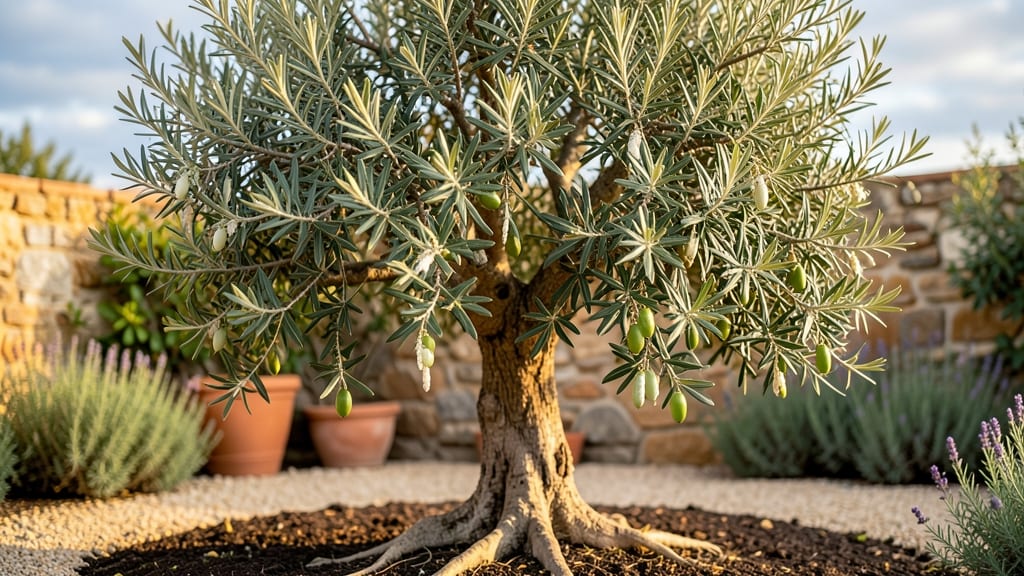
Olive trees flower in late spring to early summer 🫒, a window that can shift by weeks depending on where you live and which variety you grow.
Picture this: your young olive tree has been patiently waiting for years, and then—one morning—tiny white blossoms appear in clusters along the branches. What you might not realize is that this moment is heavily influenced by temperature, rainfall, and even the tree’s age.
In Mediterranean climates, flowering typically kicks off in May, but in cooler zones like USDA 8-10, it can stretch into June. Warmer regions might see early blooms as soon as April, while drought or extreme heat can delay or reduce flowering entirely.
Below, I’ll break down the exact timing by variety, how to spot the first signs of buds, and what you can do to encourage a healthier bloom—so you’re not left wondering why your tree skipped the show this year.
Olive flowering timing by variety: when to expect blooms
Olive trees are famous for their silver-green foliage and mediterranean charm, but their flowering cycle often confuses new growers. Most varieties bloom in late winter to early spring, but timing varies dramatically between types.
Understanding these differences helps you predict harvests and optimize care for your specific olive tree.
Early bloomers like Arbequina may flower as early as February, while late varieties like Frantoio might wait until April. The key factors influencing timing include chilling hours, tree maturity, and local climate conditions.
Let’s break down the flowering windows for popular varieties to help you plan ahead.
The Arbequina olive tree is one of the earliest bloomers, often showing flowers as soon as late February in warmer climates. This variety thrives in cooler regions and can handle milder winters better than many others.
If you’re growing Arbequina in USDA Zone 8, expect blooms to align closely with spring equinox timing.
Manzanillo and Leccino varieties typically bloom in March, making them ideal for gardeners in Zone 9 or 10. These varieties require adequate winter chilling (300-600 hours below 45°F) to trigger blooming. Without sufficient chilling, you might see delayed or sparse flowers, which can reduce your harvest.
For late bloomers like Frantoio and Kalamata, flowering usually occurs in April, often coinciding with warmer temperatures. These varieties prefer hotter climates and may struggle in cooler coastal areas.
If you’re growing Kalamata in Zone 10, expect blooms to appear just as daytime temperatures consistently reach 70°F or higher.
Each variety also has unique flowering triggers. For example, Arbequina responds well to early spring rains, while Frantoio may need consistent afternoon sunlight to encourage blooms. Pay attention to your tree’s leaf growth patterns—healthy new leaves often signal that flowering is imminent.
If you’re growing multiple varieties, you might notice sequential blooming. Early bloomers like Arbequina can finish flowering by mid-April, while late bloomers like Frantoio may still be in bloom through May.
This staggered timing can help extend your pollination window and improve cross-pollination if you have mixed varieties.
To encourage optimal flowering, focus on pruning in late winter (just before buds swell) and balanced fertilization. Avoid heavy nitrogen applications in fall or winter, as this can delay flowering. Instead, use a low-nitrogen, high-phosphorus fertilizer in early spring to support bloom development.
Remember, tree age plays a role too. Young olive trees (under 5 years) may produce fewer flowers or none at all. Patience is key—most olive trees take 3-5 years to reach full flowering potential. Once established, your tree’s flowering consistency will improve each year.
Finally, keep an eye on pollen viability. Olive flowers are self-pollinating, but cross-pollination can improve fruit set. If you notice dropping flowers without fruit forming, it might signal poor pollination or environmental stress. In this case, consider lightly shaking branches during bloom to
Climate zones and olive flowering: how temperature affects blooms
Olive trees thrive in USDA zones 8-10, where their flowering windows align perfectly with Mediterranean spring conditions. But move just one zone north or south, and you’ll notice dramatic shifts in bloom timing—and even whether flowers appear at all.
In cooler zones like 7b-8, for example, olives may delay flowering until late May or June, while warmer zones 10-11 can trigger blooms as early as April.
Microclimates add another layer of complexity. A coastal olive tree in California might flower weeks earlier than one planted inland due to milder winters and cooler summers. Meanwhile, inland regions with harsh summer heat often see reduced flowering or stressed blooms that fail to set fruit.
Understanding these patterns helps you anticipate—and optimize—your tree’s flowering cycle.
| Climate Factor | USDA Zone Impact | Flowering Window Shift | Key Risks |
|---|---|---|---|
| Winter Chilling Hours | Zones 8-10: 300-500 hrs Zones 7a-7b: 500-700 hrs |
Zones 8-10: Late April-May Zones 7a-7b: Late May-June |
Insufficient chilling = delayed blooms or no flowers |
| Summer Heat Stress | Zones 9-11: >95°F for weeks | Early blooms (April) but often aborted | Heat stress kills pollen viability; fruit drop increases |
| Coastal vs. Inland | Coastal: Moderate temps Inland: Extreme diurnal shifts |
Coastal: 2-3 weeks earlier Inland: 1-2 weeks later |
Inland drought = smaller bloom clusters |
| Spring Rainfall | <10" (drought) vs. 15"+ (ideal) | Drought: June-July Ideal: May |
Drought = delayed or stunted blooms |
One critical factor often overlooked is the winter chilling requirement. Olive trees need between 300-700 hours below 45°F (5°C) to trigger flowering.
In USDA zone 10, where winters rarely drop below 40°F, trees may produce fewer flowers unless you provide artificial chilling or select cold-hardy varieties like Frantoio. Conversely, zone 7b gardeners might see bumper crops because their colder winters satisfy chilling needs.
Heat stress is another silent bloom killer. When daytime temperatures exceed 95°F (35°C) for prolonged periods, olive flowers often abort before pollination. This is especially true in inland zone 9-10 areas like Arizona or Nevada, where afternoon heat can scorch delicate blossoms.
To mitigate this, I recommend drip irrigation to keep roots cool and light shade cloth during peak heat—though never more than 30% shade, or you’ll reduce photosynthesis.
Drought conditions also play a surprising role. While olives are famously drought-tolerant, water stress during bud formation (February-March) can delay flowering by up to 6 weeks. In my zone 8b garden, I’ve seen olives skip flowering entirely after a dry winter.
The solution? Deep watering every 10-14 days from late winter through early spring, even if the soil feels dry. This ensures roots have moisture when buds begin to swell.
Finally, don’t forget that microclimates within your yard can create local flowering windows. A north-facing side of your property might stay cooler, encouraging earlier blooms, while a south-facing slope could delay them.
I once had two Arbequina trees just 20 feet apart—one flowered in early May, while the other waited until mid-June. Paying attention to these nuances helps you predict—and plan for—your tree’s unique schedule. 🌱