
Plants
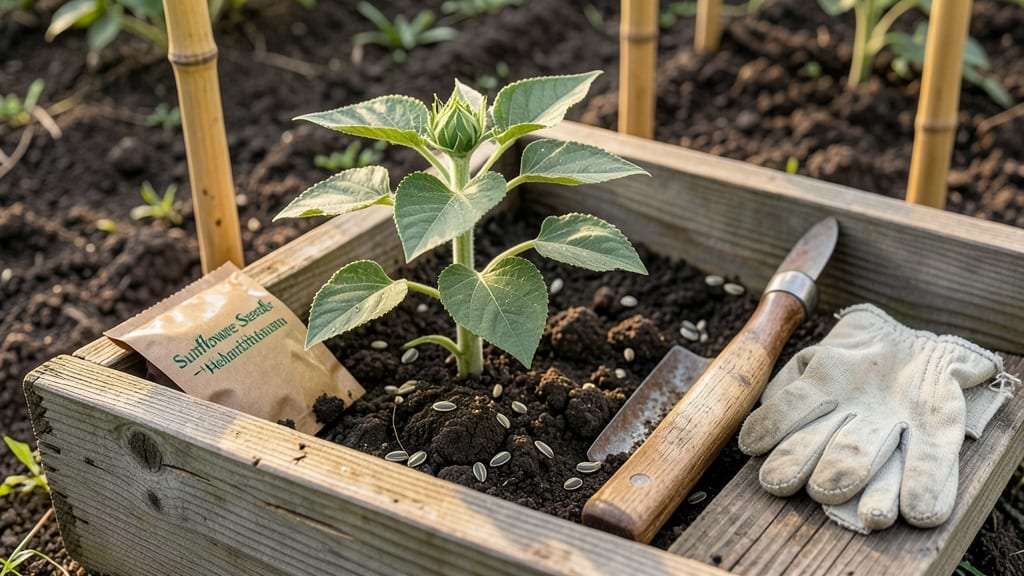
Planting sunflower seeds in Ohio after the last frost date—typically mid-April to mid-June—sets the stage for towering 🌻 blooms that thrive in the state’s 6a-7a zones.
Ohio’s unpredictable spring weather can make sunflower planting a guessing game—but timing is everything for vibrant blooms and strong stems.
Direct-sowing seeds 1-2 inches deep when soil reaches 55°F ensures strong roots before summer heat arrives, while northern Ohio’s later frost dates demand extra patience.
Below, I’ll break down the exact frost-free windows for your Ohio zone, soil prep tips, and how to stretch the planting window for both early and late varieties.
Ohio sunflower planting dates by hardiness zone (5-7)
Ohio’s sunflower planting success hinges on knowing your USDA hardiness zone and last frost dates. With zones 5a through 7a, timing varies by 10-14 days—plant too early, and frost zaps tender seedlings; too late, and your blooms arrive after summer’s peak.
The key is waiting until soil warms to 55°F+ and all frost risks have passed.
Sunflowers are warm-season annuals that thrive when nights stay above 50°F. In Ohio, this typically means mid-April to mid-June, but northern zones (5a/5b) need extra caution. Whether you’re direct sowing or transplanting, understanding your zone’s frost-free window ensures robust stems and vibrant blooms from seed to harvest.
Direct sowing is preferred for sunflowers, as they hate root disturbance. However, if you start seeds indoors 2-3 weeks before your zone’s last frost, you can transplant seedlings 1-2 weeks after that date. Just be prepared to harden off seedlings first to avoid transplant shock.
| Zone | Last Frost Date | Ideal Planting Window | Soil Temp Threshold | Late Frost Risk |
|---|---|---|---|---|
| 5a (Northeast OH) | May 1-15 | May 15-June 10 | 55°F+ | High (late May) |
| 5b (Central OH) | April 25-May 5 | May 1-June 1 | 55°F+ | Moderate (early May) |
| 6a (Southwest OH) | April 10-20 | April 20-May 15 | 55°F+ | Low (after April 15) |
| 7a (Extreme S OH) | March 25-April 5 | April 1-May 1 | 55°F+ | Very Low (rare after March 31) |
🌱 Note: Adjust dates 1-2 weeks later if your spring is unusually cold.
For zone 5a gardeners in Northeast Ohio, patience is key—waiting until May 15 minimizes late frost risks. I’ve seen 50°F nighttime temps in late May zap young seedlings, so monitor forecasts closely. Use row covers if planting earlier, but remove them before flowering to avoid humidity buildup.
Central Ohio’s zone 5b offers a slightly earlier window, but don’t rush. Soil in April can still be too cold for germination. Test with a soil thermometer—sunflowers need consistent 55°F+ for 5-7 days before planting. Pro tip: Plant near warm buildings or black plastic mulch to accelerate soil warming.
In zone 6a (Southwest Ohio), you can start as early as late April, but watch for unpredictable late frosts. I once planted giant sunflowers in early April, only to lose half to a May 10 frost.
Now, I wait until mid-May for peace of mind—especially with tall varieties that need strong stems to support their weight.
Southern Ohio’s zone 7a is the most forgiving, with March-April planting possible for early varieties. However, even here, early March can bring frost. Use fast-maturing varieties (like ‘Moulin Rouge’) if planting in late March to ensure blooms before summer’s end.
After planting, maintain 1-2 inches of mulch to keep soil warm and retain moisture. Sunflowers are drought-tolerant once established, but young plants need consistent watering to prevent bolting (premature flowering). Aim for 1-2 gallons per plant weekly during dry spells.
For transplants, start seeds indoors 2-3 weeks before your zone’s last frost. Use biodegradable pots to avoid root disturbance, and harden off seedlings for 7-10 days before moving them outdoors. Transplant on a cloudy day or in evening shade to reduce stress.
Remember, sunflowers are fast growers—some varieties reach 10 feet in 80 days! By planting at the right time, you’ll enjoy vibrant blooms from July to October, attracting pollinators and adding height to your garden. Happy planting! 🌻
5 Critical factors that determine Ohio sunflower planting success
Ohio’s variable spring frost dates and soil moisture swings demand precision when planting sunflower seeds. Beyond the calendar, five key factors—soil temperature, post-frost timing, seed depth, companion plants, and moisture consistency—directly impact germination rates and stem strength.
According to 1981-2010 USDA frost data, Ohio’s last spring frost typically occurs between April 15 (northern zones) and May 1 (southern zones). Planting too early risks frost damage, while waiting too long shortens the growing season for tall varieties.
Wait until soil reaches 55°F+ at 2" depth—use a soil thermometer for accuracy. Cold soil (<45°F) delays germination by 3-5 days.
Sow seeds 1-2 weeks after last frost (Zone 5a: late April; Zone 7a: early May). Late varieties can be planted until June 15 for fall blooms.
Plant seeds 1-2 inches deep—deeper than 2" reduces germination rates by 20%. Loosen soil to 6 inches deep for root expansion.
Pair with bush beans (nitrogen fixers) or marigolds (pest deterrents). Avoid planting near potatoes, which compete for nutrients.
Keep soil evenly moist (not soggy) for 30 days post-planting. Ohio’s summer droughts can stunt growth if irrigation drops below 1 inch/week.
For northern Ohio gardeners, extending the season with row covers after planting can add 2-3 weeks of frost protection. In southern Ohio, prioritize shade cloth during extreme heat (90°F+) to prevent bolting.
My pro tip: Mark your sunflower rows with biodegradable flags to track growth stages. This helps monitor pest activity (like sunflower moths) and watering needs as plants reach 3-5 feet tall.
By mastering these five factors, you’ll transform Ohio’s unpredictable climate into an advantage—yielding sunflowers that bloom taller and stronger than ever before. 🌻