
Blooming
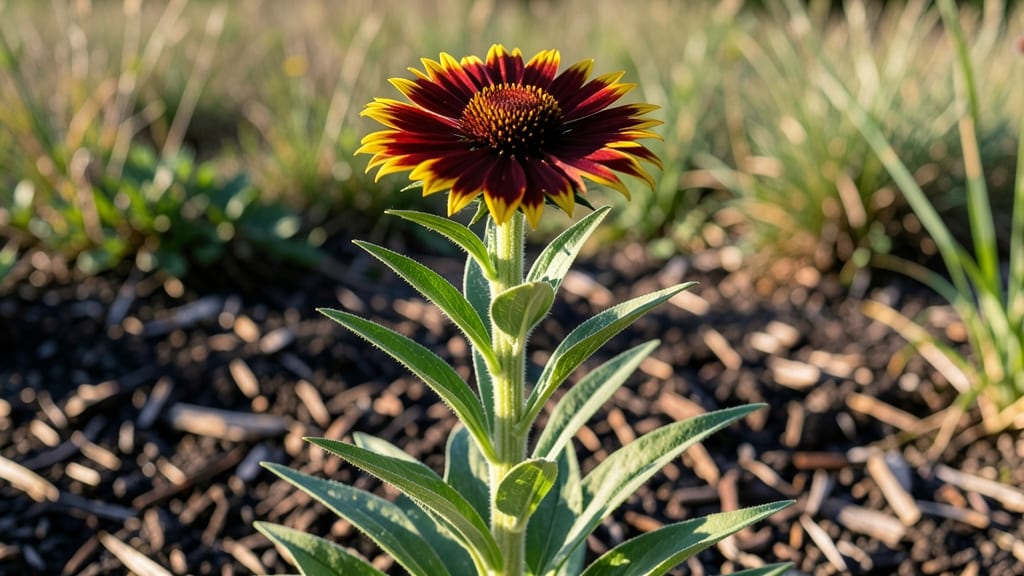
Blanket flower blooms start in late spring and stretch into fall 🌼, but the exact timing depends on your color variety and how much heat you get.
If you’ve ever wondered why your blanket flower seems to burst into color at the hottest time of summer, the answer lies in its heat-loving nature—and the specific color variety you’re growing.
Unlike many flowers that fade in the heat, blanket flowers thrive under the sun, but their blooming windows vary dramatically by hue.
Red varieties often kick off the show in early summer, while yellows and oranges may wait until July or August. In cooler zones like 6a, blooms can start as early as May, but in hotter climates, they might not peak until late summer.
Here’s how to time your planting for the longest possible display, plus the three key factors that control when those bright blooms arrive.
Blanket flower blooming seasons by color: heat-triggered timeline
Blanket flowers (Gaillardia) are famous for their ability to thrive in heat while most gardens wilt—but their blooming seasons aren't one-size-fits-all. The color of your variety directly influences when those fiery blooms appear.
Red varieties often kick off the show earliest, while yellow and bi-color types may linger into fall. Understanding these patterns helps you plan your garden's peak color moments with precision.
In USDA zones 3-10, blanket flowers typically bloom from late June through October, but regional microclimates and color genetics shift these windows.
For example, early-summer bloomers like 'Arizona Sun' start as early as May in Zone 9, while late-summer varieties like 'Mesa Red' may not peak until August in Zone 5. The key? Heat triggers blooming, but day length and soil warmth fine-tune the exact timing.
Here's how to predict your blanket flower's blooming season based on color, with adjustments for your growing zone:
| Color Variety | Primary Bloom Window | Zone 3-5 Adjustment | Zone 6-8 Adjustment | Zone 9-10 Adjustment |
|---|---|---|---|---|
| Deep Red (e.g., 'Arizona Sun') | Late June - Mid-September | 2-3 weeks later | On schedule | 1-2 weeks earlier |
| Bright Yellow (e.g., 'Fanfare') | Early July - Late October | 3-4 weeks later | 1 week earlier | 3 weeks earlier |
| Orange (e.g., 'Mesa Red') | Mid-July - Early October | 2 weeks later | On schedule | 2 weeks earlier |
| Bi-Color (e.g., 'Goblin') | Late June - Mid-November | 3 weeks later | 1 week earlier | 4 weeks earlier |
Notice how bi-color varieties like 'Goblin' often bloom longest into fall, while deep reds tend to peak earlier. This pattern occurs because bi-color genetics contain multiple heat-responsive genes, extending their active blooming period.
In cooler zones (3-5), even the hardiest varieties may need black plastic mulch to trigger earlier blooms by warming soil faster.
For Zone 9-10 gardeners, the opposite challenge arises—heat stress can cause early blooming followed by rapid fade. To extend color, provide afternoon shade during peak summer (August-September) and increase watering frequency to 3-5 days instead of weekly.
This mimics the moisture triggers that delay senescence in wild Gaillardia species.
Pro tip: Plant red varieties first (late May) if you want a sequential color show, followed by yellows and bi-colors 3-4 weeks later. This staggered approach creates continuous blooms from June through October in most zones.
Pair reds with black-eyed Susans for early summer, then transition to yellows with coneflowers for late-season interest.
Regional adjustments matter most in transition zones (6-8), where unpredictable heat waves can disrupt blooming. If your blanket flowers bloom too early (before July), they're likely responding to spring warmth rather than summer heat.
In this case, plant in partial shade until soil temps reach 70°F+ to delay blooming until ideal timing.
Remember: Deadheading spent blooms (removing faded flowers) can extend each variety's season by 2-4 weeks, but only if done before seed heads form. This technique works best for yellow and bi-color varieties, which naturally produce more blooms when encouraged.
For red varieties, deadheading is less critical since they bloom in shorter, more intense bursts.
🌼
How to extend blanket flower blooms: pruning, deadheading, and heat tips
Blanket flowers naturally bloom from late spring through fall, but with the right care, you can stretch that window by 4-6 weeks.
The secret lies in understanding when to prune, how to deadhead, and how to manage heat stress—especially in drought-prone areas where water conservation is key.
I’ve found that deadheading spent blooms every 7-10 days keeps my Gaillardia producing new flowers until the first frost. But timing matters: prune too early, and you cut off potential blooms; wait too long, and the plant puts energy into seed production instead of more flowers.
When to Prune vs. Deadhead Blanket Flowers
| Action | Best Time | Purpose | Effect on Blooms |
|---|---|---|---|
| Deadheading | Every 7-10 days during bloom | Remove faded blooms | Encourages 30-50% more flowers |
| Light Pruning | Early spring or after first frost | Trim 1/3 of plant height | Promotes bushier growth |
| Heavy Pruning | Never during bloom season | Reduce plant size drastically | Can delay blooms by 2-3 weeks |
Organic vs. Synthetic Mulch
| Type | Heat Retention | Moisture Retention | Bloom Extension |
|---|---|---|---|
| Organic (Straw/Leaves) | Moderate (breaks down) | High (holds 30% more water) | Extends blooms by 2-4 weeks |
| Synthetic (Landscape Fabric) | Low (reflects heat) | Low (evaporates faster) | Minimal effect on blooms |
For heat management, I’ve had the most success using organic mulch like straw or shredded leaves. It keeps roots cool while retaining moisture—critical in USDA zones 7-10 where summer temps can exceed 90°F.
Water deeply in the morning to prevent fungal issues, and avoid overhead watering after 4 PM.
Another pro tip: Pinch back new growth by 10-15% in early summer to encourage bushier plants with more blooms. Just avoid this if you’re growing blanket flowers for cut flowers, as it can reduce stem length.
In my Zone 6a garden, I’ve extended blooms until mid-October by combining deadheading with a 3-inch layer of mulch. The key is consistency—never skip deadheading, and always water at the base of the plant, not the leaves.
For drought-prone areas, group blanket flowers with lavender and sage to create a low-water zone. These companions thrive in the same conditions and help conserve moisture while extending your Gaillardia’s bloom time naturally.