
Blooming
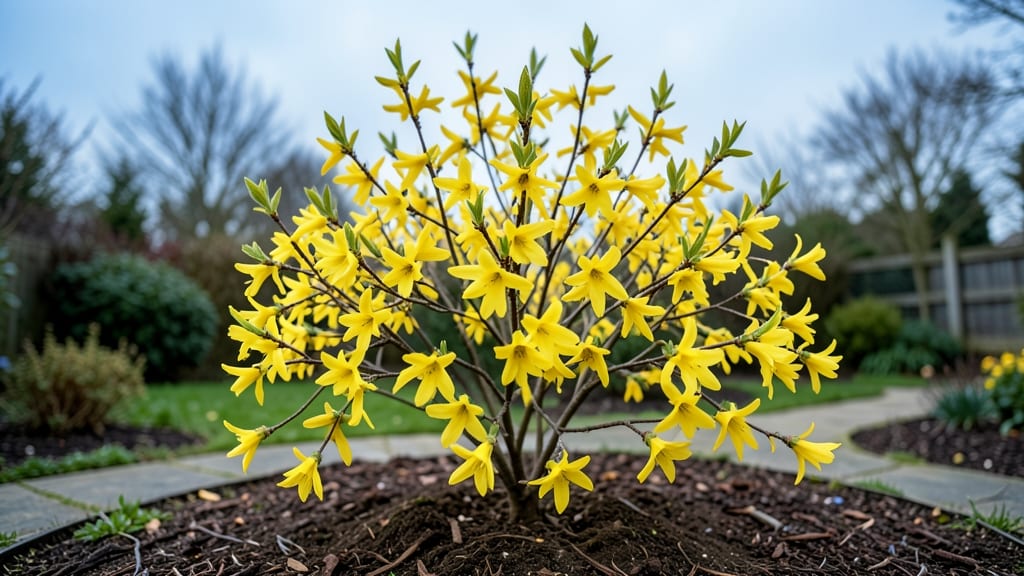
Forsythia flowers in early spring 🌸, typically between late February and early April, depending on your climate zone and variety.
If you’ve ever wondered why your forsythia bushes burst into vibrant yellow blooms while your neighbor’s still waits, timing is everything—and it all depends on your climate zone and variety.
This cheerful shrub is one of the first to bloom, signaling the end of winter and the start of gardening season. In colder zones like 6a, expect flowers to appear as early as late February, while warmer regions may see them as late as April.
Below, I’ll break down the exact blooming windows by zone, share tips for encouraging earlier flowers, and highlight the best varieties for your area.
Forsythia flowering timeline by USDA plant hardiness Zones
Forsythia is one of the first shrubs to announce spring with its bright yellow blooms, but the exact timing varies dramatically across USDA zones 3-9.
In colder northern regions like Zones 3-5, forsythia typically blooms in late March to early April, while southern gardeners in Zones 8-9 often see flowers as early as February. These differences are influenced by chill hours, spring warmth, and specific cultivar traits.
The key to predicting your forsythia's blooming window lies in understanding your local microclimate and the specific variety you've planted. For example, 'Northern Gold' thrives in Zones 4-7 and blooms slightly later than 'Lynwood Gold', which prefers Zones 6-9.
Even within the same zone, a warmer microclimate (like a south-facing slope) can trigger blooms 1-2 weeks earlier than a cooler one.
Let's break down the exact monthly blooming windows for each zone, including early, mid, and late-season varieties, so you can plan your garden's spring color palette with precision.
Here's a detailed comparison of forsythia flowering timelines across USDA zones 3-9, including regional variations for northern vs. southern states:
| USDA Zone | Early Bloomers (Feb) | Mid-Season (Mar) | Late Bloomers (Apr) | Southern States Note | Northern States Note |
|---|---|---|---|---|---|
| Zone 3 | None (too cold) | Late March (after last frost) | Early April (if warm spell) | N/A | Wait for 50°F+ nights |
| Zone 4 | None | Mid-March (early varieties) | Late March (standard types) | N/A | Blooms 10-14 days later than Zone 5 |
| Zone 5 | None | Early March (south-facing) | Mid-March (standard) | N/A | Ideal for 'Northern Gold' |
| Zone 6 | Late Feb (coastal) | Late Feb-Early Mar | Early April (rebloomers) | Coastal areas 2 weeks early | Inland blooms 1 week later |
| Zone 7 | Mid-February (early types) | Late Feb-Mar (peak) | Early April (rebloom) | Gulf Coast: January possible | Appalachia: 2 weeks later |
| Zone 8 | Late January-Feb | February-March | March-April (rebloom) | Florida: January common | Mountains: March typical |
| Zone 9 | January-February | February-March | March-April (mild winters) | Southern CA: December possible | Desert areas: February peak |
In Zone 9, where winters are mild, forsythia often blooms as early as January, especially in Southern California or Florida. This makes it a
Top 5 forsythia varieties and their unique flowering schedules
Forsythia bushes are famous for their bright yellow blooms that signal spring’s arrival, but not all varieties bloom at the same time. The flowering schedule depends heavily on the cultivar, with some bursting into color as early as late February and others waiting until mid-April.
Understanding these differences helps you choose the perfect variety for your garden’s early-season color goals.
For gardeners in USDA Zones 5-7, timing is critical—some varieties may rebloom lightly in fall, while others focus all their energy on that one spectacular spring show.
Below, I’ve highlighted the top 5 forsythia varieties and their precise blooming windows, including notes on color intensity and whether they’re likely to rebloom later in the season.
If you’re in Zone 6 or colder, prioritize 'Northern Gold' or 'Spectabilis' for their earlier blooming windows and cold tolerance. Meanwhile, gardeners in Zones 7-9 can enjoy 'Lynwood Gold'’s slightly later display, which often extends into early April.
The color intensity varies too—'Spectabilis' and 'Show Off' produce the most vibrant yellow blooms, while 'Kinky' offers a softer, golden hue. For reblooming potential, 'Kinky' and 'Lynwood Gold' occasionally produce late-season flowers if conditions are right, though they’re never as dramatic as the spring show.
Pro tip: Plant multiple varieties together to extend your garden’s spring color season from late February through early April. Pair an early bloomer like 'Spectabilis' with a later variety like 'Lynwood Gold' for a sequential bloom effect that keeps your landscape lively all season long.
🌸