
Flowers
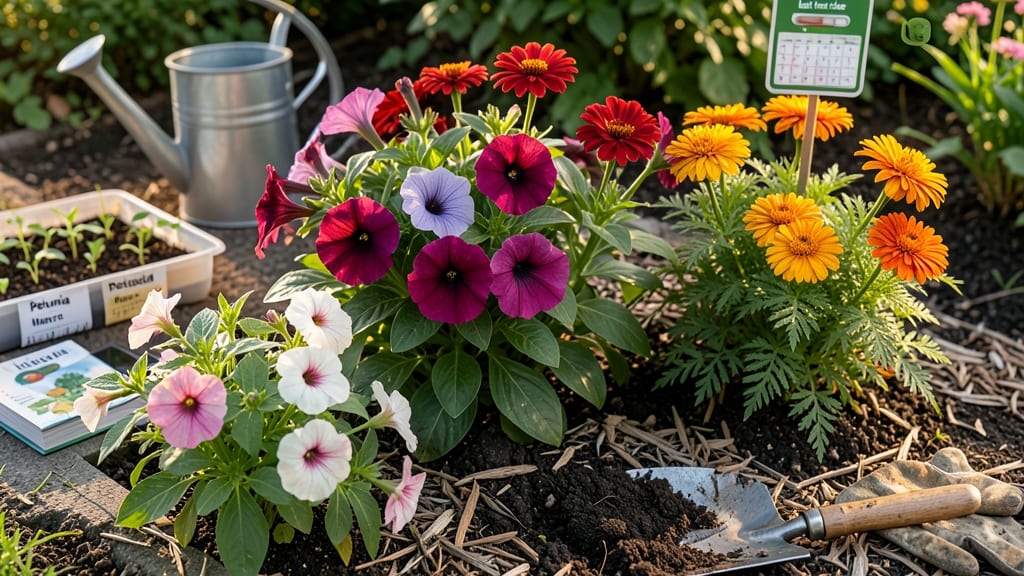
It's safe to plant flowers outside after the last frost date, when nighttime temperatures stay above 50°F consistently.
Timing your flower planting just right can mean the difference between a vibrant summer garden and a sad, frost-nipped disappointment—so knowing your last frost date is non-negotiable.
In Zone 6a, like many parts of the U.S., that window typically opens in late April to early May, but soil temperature matters just as much as air temperature. Wait until the ground warms to at least 60°F—a simple soil thermometer makes this easy to check.
Below, I’ll break down how to pinpoint your exact planting window, which flowers thrive in cool vs. warm soil, and why waiting too long can still risk frost damage—even after the calendar says spring has arrived.
Understanding last frost dates and USDA plant hardiness zones
Timing your flower planting just right can mean the difference between a vibrant summer garden and a sad, frost-nipped disappointment. The last frost date is your golden ticket to knowing when it's safe to plant flowers outside. But how do you figure it out?
It all starts with your USDA Plant Hardiness Zone, a system that divides the U.S. into 11 zones based on average minimum winter temperatures.
Each zone has its own average last frost date, which helps you determine when to plant heat-loving annuals like marigolds or cool-season perennials like pansies.
For example, if you're in Zone 5, your last frost date might be around May 15, while gardeners in Zone 9 can plant flowers as early as February 15.
Waiting too long to plant after the last frost can leave your flowers vulnerable to late-season frosts, which can wilt or kill tender plants overnight. On the flip side, planting too early in colder zones can stunt growth or even kill young seedlings.
Here’s the key: annual flowers and tender perennials should only go outside after your last frost date, while cold-hardy perennials (like lavender or coneflowers) can often survive—and even thrive—when planted earlier.
Understanding your zone and last frost date ensures your flowers get a strong start without the risk of frost damage.
Let’s break down what you need to know by zone, including average last frost dates and a timeline for planting annuals vs. perennials. This will help you avoid common mistakes and give your flowers the best possible chance to bloom beautifully.
| USDA Zone | Avg. Last Frost Date | Safe Planting Window for Annuals | Safe Planting Window for Perennials | Cold-Hardy Flowers to Plant Early |
|---|---|---|---|---|
| Zone 3 | May 1 - May 15 | After May 15 | April 15 - May 1 | Pansies, Snapdragons, Sweet Alyssum |
| Zone 4 | May 10 - May 20 | After May 20 | April 20 - May 10 | Violas, Calendula, Stock |
| Zone 5 | May 15 - May 25 | After May 25 | April 25 - May 15 | Sweet Peas, Lupines, Foxglove |
| Zone 6 | May 1 - May 10 | After May 10 | April 1 - April 30 | Dahlias, Bearded Iris, Peonies |
| Zone 7 | April 15 - April 30 | After April 30 | March 15 - April 15 | Lavender, Coneflowers, Black-Eyed Susans |
| Zone 8 | March 15 - March 31 | After March 31 | February 15 - March 15 | Salvia, Coreopsis, Gaillardia |
| Zone 9 | February 15 - February 28 | After February 28 | January 15 - February 15 | Marigolds, Zinnias, Petunias |
| Zone 10 | January 15 - February 1 | After February 1 | December 15 - January 15 | Geraniums, Impatiens, Begonias |
| Zone 11 | No frost (year-round planting) | Year-round (with seasonal adjustments) | Year-round (with seasonal adjustments) | Tropical Flowers (e.g., Hibiscus, Plumeria) |
Now that you have a clear timeline, let
How to calculate your local last frost date (beyond the average)
Relying on average last frost dates can leave your flowers vulnerable to surprise frosts—especially in high-altitude gardens or microclimates where temperatures behave unpredictably. For example, a valley might warm up faster than a hillside just 500 feet higher, creating a 10-day difference in safe planting windows.
Instead of guessing, I recommend using a three-step method: check historical data, monitor real-time conditions, and adjust for your specific location. This approach helps you avoid planting too early and risking frost damage—or waiting too late and missing the optimal growing window.
⚠️ callout-warning ⚠️
⚠️ Don't Plant Flowers Outside Too Early!
Even a light frost (28°F) can kill tender flowers like marigolds and petunias. Use the 32°F rule: Wait until nighttime temps stay above 50°F for 5+ days in a row.
💡 Pro Tip: Plant cold-hardy flowers (like pansies or snapdragons) 2-3 weeks before your average last frost date for early color.
Start by checking historical frost data from sources like the National Weather Service or PlantMaps. These tools provide 10-year averages for your ZIP code, but remember: averages don’t account for year-to-year variability.
For instance, my garden in Zone 6a saw a late frost in 2022 that delayed planting by 2 weeks.
Next, account for your microclimate. A south-facing slope warms up faster than a north-facing yard, while urban areas can trap heat and delay frost. Use a minimum thermometer to track nighttime lows for 7-10 days—this gives you real-time data tailored to your garden’s exact conditions.
For high-altitude gardens, adjust your timeline by 1-2 weeks per 1,000 feet in elevation. A garden at 5,000 feet might experience its last frost 10-14 days later than the valley below. Pair this with a soil thermometer to confirm the ground has warmed to 60°F—critical for seed germination.
Finally, combine these methods with local gardener insights. Join Facebook groups or forums for your region—veteran gardeners often share real-time updates on frost risks and planting progress. For example, in Zone 7b, some gardeners wait until May 15 to plant heat-loving flowers like zinnias to avoid late-spring frosts.