
Flowers
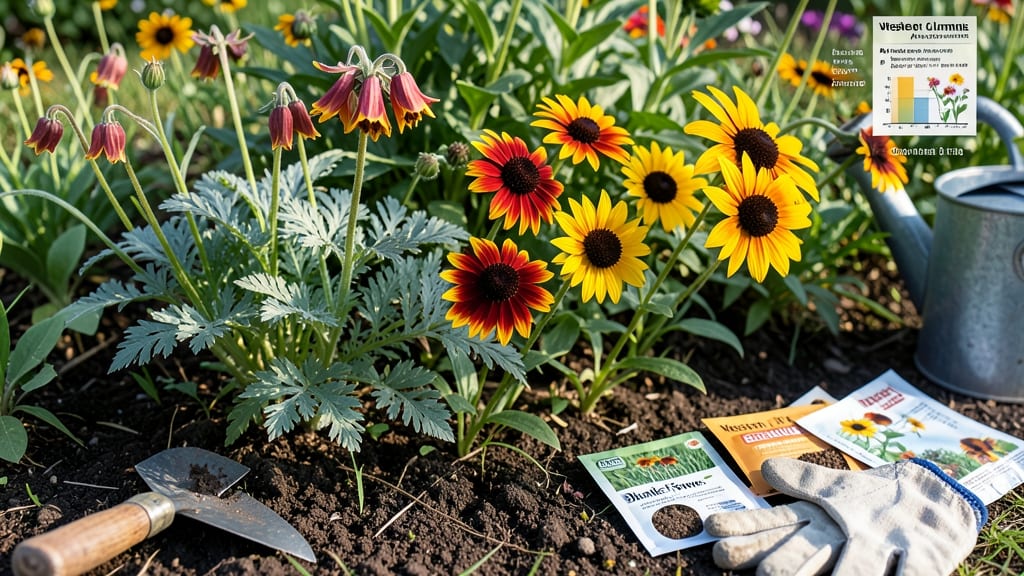
The best time to plant flowers in Colorado depends on your zone and elevation — spring and fall are your two golden windows, but the exact dates shift dramatically from the Front Range to the Western Slope.
Colorado’s diverse climate—from high-altitude mountain regions to arid plains—means your flower planting schedule can’t be one-size-fits-all. Get the timing wrong, and your blooms may struggle to thrive; nail it, and you’ll enjoy vibrant gardens year-round.
In zones 5-7, most annuals and tender perennials wait until April 15 (after the last frost) or dive into August 15 for fall blooms. But high-altitude gardens in zone 5? They play by a later calendar, while lower elevations near Denver can push the envelope with early spring starts.
Below, I break down the exact planting deadlines by region, the hardiest flowers for each season, and how to adjust for microclimates—so you can finally stop guessing and start growing with confidence.
Colorado planting zones: when to plant flowers by region (with exact dates)
Colorado’s USDA Hardiness Zones 3-7 create a complex gardening puzzle, where elevation shifts can mean 30-degree temperature swings just miles apart. Unlike flatter states, your Denver garden might share a zone with Aspen’s alpine meadows, but their planting windows differ by 6 weeks or more.
Understanding these microclimates is key to avoiding frost damage or missed bloom seasons.
For most Colorado gardeners, spring planting begins after the last frost date, typically between April 15 (Zone 7) and May 15 (Zone 5). However, high-altitude areas like Steamboat Springs (Zone 4-5) may wait until June 1 for tender annuals.
Fall planting follows a similar pattern but works backward from the first frost, usually September 15-October 15, depending on your zone.
Here’s how to navigate Colorado’s three distinct gardening regions—Front Range, Western Slope, and Eastern Plains—with precise planting deadlines tailored to your location. Use these elevation-adjusted timelines to maximize bloom potential and avoid common pitfalls like late spring freezes or early fall frosts.
🌱 Pro Tip: Check your exact last frost date using the Colorado State University Extension’s frost calculator, which accounts for microclimates like urban heat islands or sheltered valleys. For example, Boulder’s frost-free season often starts 2 weeks earlier than nearby Evergreen’s.
| Region | USDA Zone | Last Frost Date | First Frost Date | Spring Planting Window | Fall Planting Window |
|---|---|---|---|---|---|
| Front Range (Denver, Boulder, Fort Collins) | 5-6 | April 20-May 5 | October 5-15 | May 10-June 15 | August 15-September 10 |
| Western Slope (Grand Junction, Durango, Aspen) | 4-6 | April 10-May 10 (varies by elevation) | September 20-October 5 | May 20-June 20 | August 1-September 15 |
| Eastern Plains (Colorado Springs, Pueblo, Lamar) | 6-7 | April 1-May 1 | October 10-20 | April 20-May 30 | August 10-September 20 |
| High Altitude (Above 8,000 ft: Leadville, Vail) | 3-4 | May 15-June 1 | September 10-October 1 | June 10-July 15 | July 15-August 20 |
In the Front Range (Zones 5-6), where cities like Denver and Boulder thrive, annuals like petunias and marigolds can hit the ground as early as May 10, but perennials like coneflowers benefit from waiting until mid-May when soil warms to 60°F.
For bulbs like daffodils, plant in fall (September-October) to establish roots before winter.
On the Western Slope, Grand Junction’s Zone 6 enjoys an earlier start, with spring planting possible by April 20, while Durango’s Zone 5 may wait until May 1.
High-altitude areas like Aspen (Zone 4) often see late frosts into June, so opt for cold-hardy annuals like sweet peas or snapdragons or delay planting until after June 15.
The Eastern Plains (Zones 6-7), including Colorado Springs and Pueblo, offer the longest frost-free seasons, allowing tender annuals like impatiens to thrive when planted by April 20.
However, drought conditions here demand deep watering and mulching to retain moisture. For fall planting, aim to finish by September 20 to ensure roots establish before first frost.
🌿 Key Adjustment: For every 1,000 feet in elevation, expect 3-5°F cooler temperatures and 2-3 weeks later frost dates. Use this rule to fine
Best flowers to plant in Colorado by season (and how to extend their blooms)
Colorado’s seasonal shifts demand smart planning to keep your garden blooming from spring through fall. The key? Choosing native perennials like columbines and penstemons alongside hardy imports such as coneflowers and black-eyed susans.
These varieties thrive in Colorado’s dry climate and variable frost dates, making them perfect for both beginners and seasoned gardeners.
Unlike one-size-fits-all planting guides, Colorado’s elevation zones (ranging from 5,000 to 10,000 feet) create microclimates where timing matters. For example, Denver’s zone 5b allows early spring planting by mid-April, while high-altitude zones 4-5 (like Aspen) may need to wait until late May.
Below, I’ll share my proven strategies for seasonal planting and how to stretch blooms longer with simple tricks.
🌱 Colorado Flower Planting Timeline by Season
- Spring (April–May): Plant cool-season annuals (pansies, snapdragons) and hardy perennials (columbines, blanket flowers) after last frost (check your zone!). Soil temps should hit 60°F+ for tender varieties.
- Summer (June–July): Focus on heat-tolerant annuals (zinnias, marigolds) and succession plant every 3 weeks for continuous blooms. Mulch heavily to retain moisture.
- Fall (August–September): Transition to cool-season bloomers (asters, goldenrods) and bulbs (tulips, daffodils) 6–8 weeks before first frost. Perennials benefit from a light fertilizer in early fall.
- Winter Prep (October–March): Protect tender perennials with mulch (3–4 inches) and water occasionally during dry spells. Prune dead foliage in late winter to encourage new growth.
For extended blooms, I swear by deadheading spent flowers (like coneflowers) and watering deeply 2–3 times per week during dry spells. In my zone 6b garden, this simple routine adds 3–4 extra weeks of color compared to neglected beds.
Pro tip: Group plants with the same water needs together to simplify care.
Colorado’s native wildflowers (e.g., beebalm and lupines) are drought-resistant champions that thrive with minimal intervention. Pair them with low-water imports like Russian sage for a zero-fuss garden. These plants not only survive Colorado’s arid summers but also attract pollinators like bees and butterflies.
Don’t overlook fall planting—it’s my secret to a vibrant spring. Plant bulbs in October (like alliums and crocuses) and perennials in September to give roots time to establish before winter. In my experience, fall-planted perennials bloom earlier and bigger the following year.
For container gardens, opt for compact varieties like petunias or geraniums and use self-watering pots to prevent drought stress. Move containers to shaded spots during peak summer heat (100°F+ days) to protect roots. With these adjustments, even balcony gardens in Denver can flourish year-round.