
Pruning
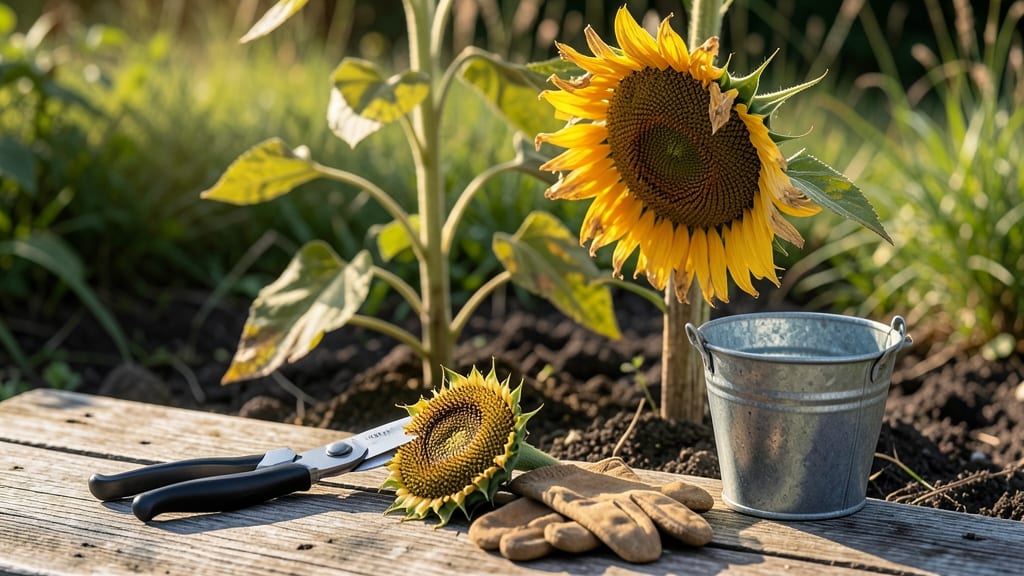
Cutting your sunflower heads off at the right time ensures seed-saving success and keeps your garden looking its best 🌻.
You’ve spent months watching your sunflowers grow, only to wonder: When is the perfect moment to harvest those seeds? Too early, and you’ll end up with immature, nonviable seeds. Too late, and frost or pests might ruin your hard work.
The key is knowing when the heads are fully mature—right after the petals drop and the back turns brown.
This isn’t just about seed saving, though. If you’re aiming for a second flush of blooms or simply want to tidy up your garden, timing matters just as much.
Below, I’ll walk you through the exact signs to look for, the tools you’ll need, and how to store your seeds so they stay fresh for next year.
Whether you’re a first-time gardener or a seasoned pro, these simple steps will turn your sunflower harvest into a reliable source of seeds—or a stunning rebloom—every season.
How to identify the perfect sunflower harvest time for seed saving
Timing your sunflower harvest correctly ensures you collect viable seeds for next season’s garden. The best time to cut sunflower heads off is when they’ve reached full maturity—this means the petals have fallen naturally, and the back of the head turns a dry brown color.
Missing these cues can lead to seeds that won’t germinate or plants that won’t rebloom.
Most sunflower varieties take 60-120 days to mature from seed to harvest. If you’re growing sunflowers for both beauty and seed saving, pay close attention to these visual and tactile clues to avoid cutting too early or too late. The key is patience—rushing the process can ruin your seed-saving efforts.
| Stage | Visual Cues | Tactile Cues | Action |
|---|---|---|---|
| Early Flowering | Petals fully open, vibrant yellow | Firm, green seed head | Wait for petals to wilt |
| Petal Drop | Petals fall off naturally | Seed head turns yellow-brown | Monitor for dryness |
| Full Maturity | Head is fully brown and dry | Seeds rattle when shaken | Harvest within 1-2 weeks |
| Overripe | Head turns gray or seeds scatter | Seeds fall out easily | Avoid—seeds lose viability |
The first sign you’re close to harvest is when the petals drop naturally. This usually happens 4-6 weeks after flowering, depending on your climate and sunflower variety. Once the petals are gone, focus on the back of the head, which should turn from green to a dry brown color.
This indicates the seeds inside are maturing.
To confirm ripeness, gently shake the head over a paper bag. If the seeds inside rattle loudly, that’s your cue to harvest. If they don’t, wait another 3-5 days—sunflowers need time to fully dry on the plant.
Skipping this step can lead to seeds that won’t sprout, wasting your entire harvest.
If you’re in a cooler climate or late in the season, frost can ruin your seeds before they’re ready. Watch the weather forecast and harvest heads before the first frost hits. Even if the seeds aren’t fully dry, you can finish drying them indoors to preserve their viability.
For gardeners aiming for a second flush of blooms, cutting heads off just as the petals drop encourages the plant to produce new flowers. However, if your goal is seed saving, leave the heads on the plant until fully mature.
This dual-purpose approach requires careful timing—balance your goals to avoid sacrificing either seeds or reblooms.
One common mistake is cutting heads too early because they look "done." A green or partially green seed head means the seeds aren’t ready. Always double-check by shaking the head—if it doesn’t rattle, it’s not time yet.
Patience here pays off with high-quality seeds that’ll grow into healthy plants next season.
Once you’ve identified the perfect harvest time, the next step is cutting the heads properly. Use a clean, sharp pair of pruners or shears to avoid damaging the stem.
Leave a 1-2 inch stem attached to make drying easier. Hang the heads upside down in a dry, well-ventilated space for 1-2 weeks to complete the drying process.
With these visual and tactile cues, you’ll never miss the perfect moment to harvest sunflower seeds again. Whether you’re saving seeds for next year’s garden or simply tidying up your space, knowing when to cut ensures you get the best results from your sunflowers—every single time 🌻.
Step-by-step guide: cutting sunflower heads for optimal seed quality
Now that you’ve identified your sunflower heads are ready for harvest—petals fallen, back browned, and seeds rattling—it’s time to act before frost or pests interfere. Cutting at the right moment preserves seed viability and ensures you’re not wasting your garden’s hard work.
The process itself is simple, but precision matters, especially when dealing with tall, heavy heads that can snap stems if mishandled.
Grab your tools: a sharp pair of pruning shears or a clean knife works best, along with a bucket lined with newspaper or paper bags to catch the heads. Work on a dry day when the heads are fully mature but before any signs of frost creep in.
This guide will walk you through each step, from cutting to drying, so your seeds stay fresh and ready for next year’s planting.
Step-by-Step Guide to Harvesting Sunflower Heads
- Step 1
- Step 2
- Step 3
- Step 4
- Step 5
Timing: Harvest on a dry, sunny morning after petals have fully dropped and the back of the head turns yellow-brown. This ensures seeds are fully mature but haven’t yet dried out completely.
Tools: Use clean pruning shears or a sharp knife to cut the stem 2-3 inches below the head. Avoid tearing the stem, which can damage the head and reduce seed quality.
Handling: Gently place the cut heads in a bucket or paper bag to prevent bruising. Avoid stacking heads to prevent mold growth from trapped moisture.
Drying: Hang heads upside down in a well-ventilated, dry space (like a garage or shed) for 2-3 weeks. This allows seeds to fully dry while preventing mold or rot.
Storage: Once fully dry, rub the head between your hands to release seeds. Store seeds in a paper envelope or glass jar in a cool, dark place for up to 3-5 years.
Pro tip: If you’re aiming for a second flush of blooms, cut the heads off just as the petals begin to wilt but before they fully drop.
This redirects the plant’s energy to produce new flowers instead of seeds. Just remember, this method won’t work for all sunflower varieties—check your seed packet for specifics.
Don’t let those seeds go to waste! Properly harvested and stored sunflower seeds are a cost-effective way to grow your garden next year. Plus, saving seeds connects you to the timeless tradition of gardening—where every seed you collect is a promise of future blooms.
With these steps, you’ll transform your sunflower harvest from a fleeting summer beauty into a long-term gardening resource. Happy harvesting! 🌻