
Flowers
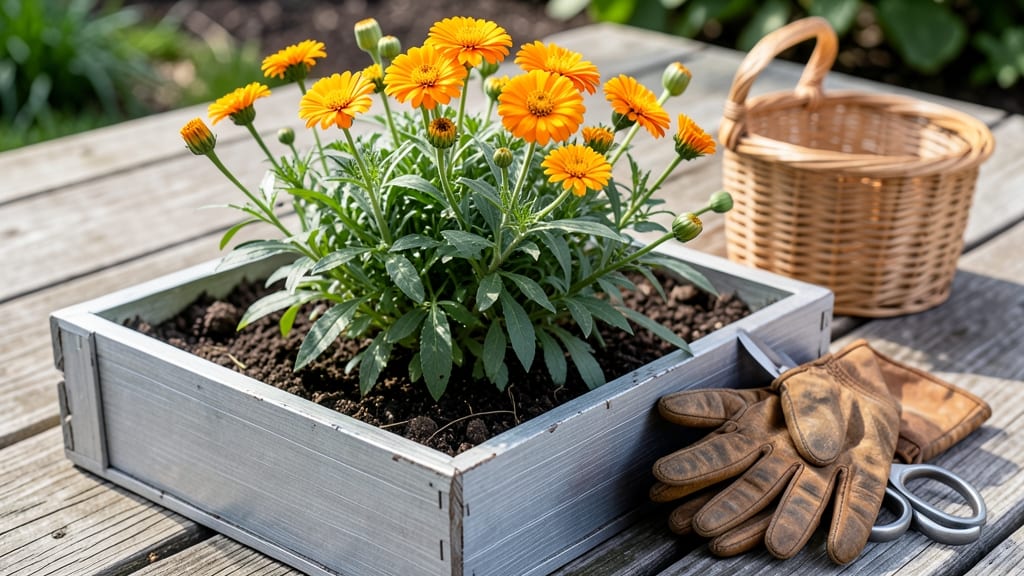
Harvesting calendula flowers at the right time means capturing their peak potency and vibrant color 🌼 — and missing it can turn your golden blooms into bitter, pale shadows.
Imagine spending hours tending to your calendula plants only to pick flowers that lack the deep orange hue or medicinal strength they’re prized for. The difference between a perfect harvest and a wasted one often comes down to a simple petal color shift you might be overlooking.
This seasonal guide will show you exactly when to snip those stems for the most flavorful petals, how to spot the ideal bloom stage, and why morning harvests beat afternoon ones every time. No more guesswork—just golden, potent calendula ready for teas, salves, or bouquets.
From checking petal consistency to avoiding rain-soaked blooms, we’ll cover everything you need to know to time your harvests like a pro. Ready to unlock the full potential of your calendula flowers?
How to identify the perfect calendula petal color for harvesting
Calendula flowers go through a dramatic color transformation from bud to bloom, and each stage reveals whether your petals are ready for harvesting. The deep orange-gold hue isn't just visually stunning—it's packed with the highest carotenoid content, which boosts medicinal properties like anti-inflammatory and antioxidant benefits.
When you spot pale yellow petals just beginning to flatten, that's your first clue the flower is maturing. But don't harvest yet! These early blooms lack the full potency and vibrant color that make calendula so prized.
The real magic happens as the petals transition from pale to deep orange, a shift that signals peak carotenoid levels.
Scientific studies show that carotenoid concentration peaks when petals reach their deepest orange stage. This isn't just about aesthetics—it means higher levels of lutein and zeaxanthin, compounds that give calendula its healing power.
For gardeners using petals in salves or teas, this color change is your golden ticket to maximum efficacy.
Here's the visual progression you should watch for: green buds → pale yellow → deep orange. Each stage represents a different level of maturity and potency.
The transition from pale yellow to deep orange is particularly critical—this is when the flower shifts from being ornamental to being medicinally potent.
The deep orange stage is where calendula petals achieve their peak carotenoid content, making them ideal for medicinal preparations. At this point, the petals should be fully flat and slightly crisp at the edges.
This is also when they're most vibrant for ornamental arrangements, making your garden's golden blooms truly stand out.
One common mistake gardeners make is harvesting calendula when the petals are still partially curled. These underripe flowers lack the full depth of color and potency. Wait until the petals lay completely flat against the bloom—this is your visual cue that the flower has reached its optimal maturity for harvesting.
For the most accurate color assessment, harvest on a sunny morning when the petals are fully open and dry. Morning light brings out the true orange-gold hue, making it easier to spot the perfect harvesting stage.
Avoid harvesting after rain, as wet petals can dilute the carotenoid concentration and make them less effective for medicinal use.
Pro tip: If you're growing calendula for both ornamental and medicinal purposes, focus on harvesting the deepest orange blooms first. These will give you the highest potency for salves and teas while still leaving plenty of vibrant flowers for your garden beds and bouquets.
Remember, the color shift from pale yellow to deep orange isn't just about aesthetics—it's a clear biological signal that your calendula has reached its peak medicinal value. By paying attention to these subtle color changes, you'll ensure every harvest delivers the golden, potent petals your garden deserves.
Calendula harvesting timing: morning vs. evening best practices
Timing your calendula harvest correctly can make the difference between vibrant, potent petals and wilted, bitter blooms. The best time to harvest isn't just about daylight—it's about dew-free conditions and peak flower maturity.
Morning harvests consistently deliver the highest quality, but late afternoon can work in a pinch if you plan carefully.
Calendula flowers reach their peak potency when fully open and their petals transition from pale yellow to deep orange. This color shift signals maximum carotenoid content, which gives calendula its healing properties.
But timing also depends on weather—rain-soaked blooms lose their potency and dry poorly, making them useless for medicinal or decorative use.
Here’s the key decision point: harvest in the morning (before 10 AM) for the freshest petals, or opt for late afternoon (after 3 PM) only if you’re certain no rain is coming. The choice affects drying time, color retention, and even shelf life of your preserved calendula.
Morning Harvest (Before 10 AM)
- Dew-free petals
- Peak freshness
- Best color retention
- Requires early start
- Limited daylight for drying
Late Afternoon Harvest (After 3 PM)
- Flexible timing
- Full sun exposure
- Risk of rain damage
- Potential wilting
- Lower potency
Avoid harvesting after rain or high humidity, as moisture weakens the petals and encourages mold during drying. If you must harvest in the evening, choose a completely dry day and work quickly to prevent wilting.
Always use clean, sharp scissors to snip stems just above a leaf node—this promotes bushier growth and more blooms.
For drying purposes, morning-harvested flowers dry faster and retain their vibrant color. Hang small bundles upside down in a dark, well-ventilated space for 1-2 weeks. If you harvest in the afternoon, lay flowers flat on a screen to dry immediately, as they’re more prone to wilting.
Proper drying preserves calendula’s medicinal properties for up to a year.
Remember: the golden rule of calendula harvesting is simple—pick when petals are fully open, the sky is clear, and you’ve got time to process them properly. Your patience will reward you with calendula so vibrant and potent, it’ll be the star of your garden and apothecary alike. Happy harvesting! 🌼