
Flowers
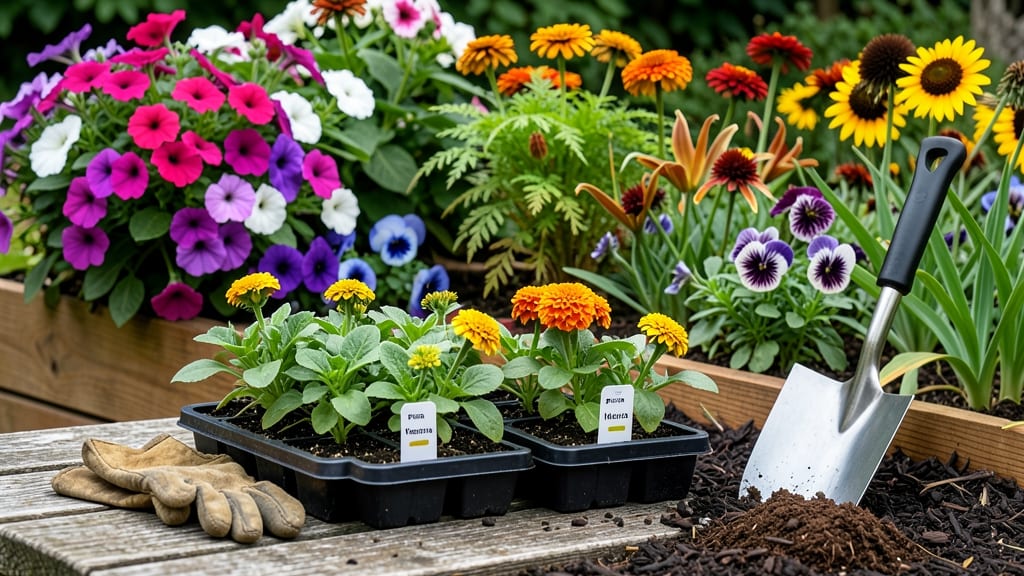
To plant flowers in Philadelphia, aim for mid-April after the last frost—though bulbs like tulips need a fall start, and heat-loving annuals like petunias wait until May.
Philadelphia’s unpredictable spring weather can turn your flower planting timeline into a guessing game—unless you know the exact frost-free dates and best practices for each variety. One late frost in early April, and your tender petunias will bolt before they bloom.
Whether you’re planting annuals for summer color or perennials that return year after year, timing matters. Skip the guesswork with a schedule tailored to Philadelphia’s USDA Zone 7a climate, where early starts for bulbs and late-season prep for fall blooms make all the difference.
Here’s how to align your planting with Philadelphia’s 180 frost-free days, plus the top flowers that thrive when you get it right—no matter if you’re in a city heat island or a suburban backyard.
Philadelphia’s frost-free dates by flower type: exact planting windows
Philadelphia’s USDA Zone 7a climate means your last average frost typically lands around April 15, but urban heat islands can delay frost by 1-2 weeks.
For 2024, historical data shows March 20-30 as the safest window for hardy perennials and cool-season annuals, while tender plants like petunias and geraniums should wait until May 10 or later.
Microclimates play a huge role—suburban gardens often see frost 3-5 days earlier than city plots due to urban heat retention. South-facing beds warm up faster, while north-facing areas may need row covers for early plantings. Always check your local Penn State Extension updates for real-time adjustments.
Key rule: Divide flowers into 3 frost categories—hardy (tulips), moderate (daylilies), and tender (marigolds)—to align planting with temperature thresholds. Below is your actionable planting calendar for Philadelphia’s most popular flowers.
| Flower Type | Planting Window | Frost Hardiness | Microclimate Tip |
|---|---|---|---|
| Tulips/Daffodils (Bulbs) | Oct 15–Nov 15 (fall) or March 1–15 (spring) | Zone 3–7 | Plant bulbs 6" deep in well-draining soil; mulch after frost. |
| Pansies/Violas (Annuals) | March 20–April 15 (spring) or Aug 15–Sept 15 (fall) | Zone 4–8 | Use row covers for early spring plantings in windy areas. |
| Petunias/Geraniums (Tender Annuals) | May 10–June 1 (after last frost) | Zone 10+ (needs protection) | Start indoors 4–6 weeks early or use heat mats. |
| Daylilies/Coneflowers (Perennials) | March 15–April 30 (spring) or Sept 1–15 (fall) | Zone 3–9 | Amend soil with compost for urban heat tolerance. |
| Dahlias/Tuberous Begonias (Tender Perennials) | May 15–June 1 (after soil warms to 60°F) | Zone 9+ (dig tubers in fall) | Use black plastic mulch to warm soil faster. |
For bulbs like tulips, fall planting is critical—they need 6–8 weeks of cold to bloom. In Philadelphia, aim for October 15–November 15, but avoid planting after Thanksgiving when soil temps drop below 50°F.
Store extra bulbs in a cool, dry place (like a garage) if late planting is unavoidable.
Annuals like pansies are your spring workhorses—they tolerate light frosts (down to 20°F) and can be planted as early as March 20 in protected microclimates. However, petunias and geraniums are frost-sensitive and must wait until after May 10, when nighttime temps stay above 55°F consistently.
Perennials like daylilies and coneflowers offer flexible windows: plant in early spring (March 15–April 30) or fall (September 1–15). Fall plantings establish roots before winter, giving you a head start in spring.
For urban gardens, add 2–3 inches of mulch after planting to insulate roots from temperature swings.
Tender plants like dahlias and tuberous begonias require soil warmth—wait until May 15 or when soil reaches 60°F at 6" depth.
How to adjust planting times for Philadelphia’s microclimates
Philadelphia’s urban heat islands and windy riverfronts create dramatic differences in planting success. A south-facing garden near Center City might be 10°F warmer than a shaded backyard in West Philadelphia, throwing off your frost dates by weeks.
These microclimates mean your petunias could bloom two weeks earlier in one spot and fail entirely in another.
To maximize your flower season, start by mapping your garden’s exposure. South-facing beds warm fastest—ideal for heat-loving marigolds and zinnias—while north-facing areas stay cooler, perfect for pansies and snapdragons that tolerate brief chills. Windy areas near the Schuylkill need extra protection, while sheltered spots can handle earlier plantings.
Here’s how to adjust your schedule using row covers, cold frames, and soil warming hacks to extend both spring and fall seasons by 3-4 weeks in the right spots.
| Microclimate Type | Adjustment Strategy | Spring Planting Shift | Fall Planting Shift |
|---|---|---|---|
| South-Facing (Heat Island) | Use shade cloth (30-50%) for tender plants; mulch heavily | Delay by 1-2 weeks (wait for soil temps >65°F) | Extend by 2 weeks (plant mums in early Oct) |
| North-Facing (Cool Shade) | Add black plastic mulch 2 weeks before planting | Start 2 weeks earlier (late March) | Extend by 3 weeks (plant pansies in Nov) |
| Windy Areas (Riverfront) | Use windbreaks (bamboo screens) + row covers | Delay by 1 week (protect until May 10) | Start 1 week later (wait for stable temps) |
| Sheltered Backyard | Cold frame for early starts; no adjustments needed | Plant 1 week early (early April) | Extend by 4 weeks (plant asters in Oct) |
For heat islands, prioritize drought-tolerant flowers like lantana or salvia that thrive in reflected city heat. In windy areas, stake tall flowers like delphiniums early and use reed diffusers to break wind currents.
My north-facing beds get black plastic mulch in early April to warm soil 5°F faster—enough to coax pansies into bloom by early May.
Fall planting benefits most from microclimate tweaks. In sheltered spots, calendulas and stocks often survive until Christmas with straw mulch and frost blankets. Meanwhile, south-facing beds can handle marigolds planted as late as October 15, while north-facing areas might need row covers to protect until November 1.
Test your microclimate’s unique conditions this year by planting basil and marigolds in multiple spots—these heat-sensitive and heat-loving plants reveal your garden’s true growing windows faster than any weather app. Adjust next year’s schedule based on what thrives.