
Plants
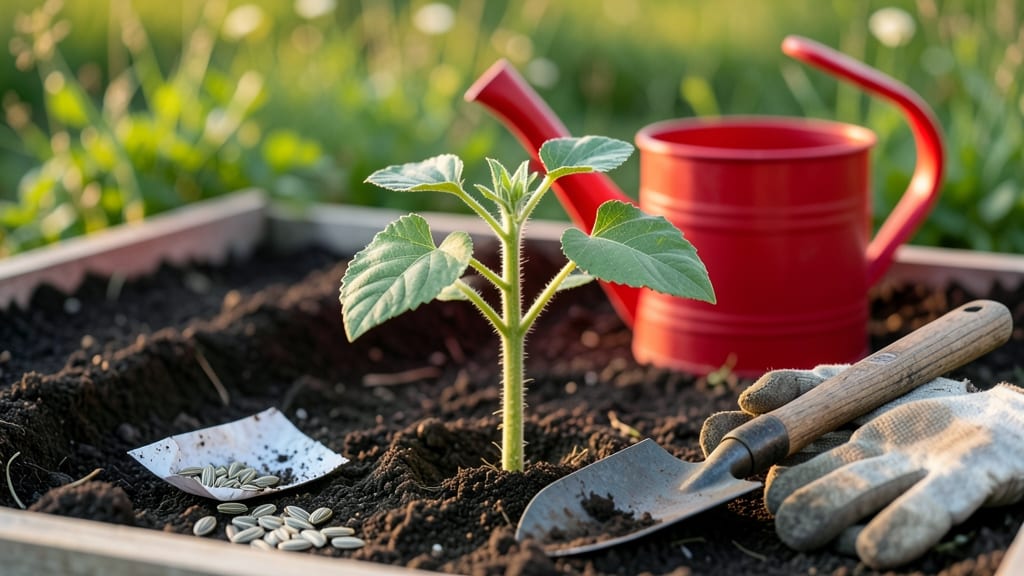
Planting sunflower seeds in Arkansas at the right time ensures fast germination and those towering 🌻 blooms you dream of—so don’t wait until the last frost passes.
Picture this: you’ve prepped your soil, marked your rows, and the seed packet promises 60-day blooms—but if you plant too early, a late frost wipes out your seedlings.
Too late, and summer’s heat arrives before they even sprout. Arkansas’s USDA Zones 7a-8a give you a narrow window to nail it.
Here’s the secret: start seeds indoors 4-6 weeks before your last frost (around March 15 for most of the state) or sow directly into warmed soil by mid-April. I’ll break down the exact dates for your zone, plus how to adjust for Arkansas’s unpredictable spring weather.
You’ll leave this guide knowing when to plant for maximum height and minimum fuss, whether you’re growing 3-foot dwarf varieties or 14-foot giants. Let’s get those seeds in the ground the right way.
Optimal sunflower planting dates in Arkansas by Zone 7a-8a
Arkansas gardeners know timing is everything, especially for sunflowers that thrive in USDA Zones 7a-8a. The last frost date typically falls between March 15 (Zone 7a) and April 1 (Zone 8a), creating a narrow window for ideal planting.
Missing this window can lead to stunted growth or delayed blooms, so understanding your specific zone is critical. I’ve planted sunflowers for years in my Zone 7b garden, and the difference between early and late planting is dramatic.
For Zone 7a, the safest window is mid-April to early May after the soil warms to 55°F+. In Zone 8a, you can start as early as late March if your soil is ready, but I always wait until April 15 to avoid unexpected late frosts.
Arkansas’ unpredictable spring weather means flexibility is key—don’t rush planting before the soil is warm enough, or you’ll risk poor germination.
Direct sowing is the best method for sunflowers in Arkansas, as they hate transplanting and develop long taproots quickly. I’ve tried transplanting seedlings, but they often struggle to recover. For direct sowing, plant seeds 1 inch deep and 6 inches apart in rows 2–3 feet apart.
This spacing gives them room to grow tall without competing for nutrients.
Here’s a quick comparison of planting windows for Zone 7a vs. 8a, including frost risk and ideal soil temperatures:
| Factor | USDA Zone 7a | USDA Zone 8a |
|---|---|---|
| Last Frost Date | March 15 | April 1 |
| Ideal Planting Window | Mid-April to Early May | Late March to Mid-April |
| Soil Temperature | 55°F+ | 55°F+ |
| Frost Risk After Planting | Moderate (cover seedlings if frost predicted) | Low (warmer climate) |
| Germination Time | 7–14 days (warmer soil = faster) | 5–10 days (soil warms quicker) |
| Late Planting Option | Early June (dwarf varieties only) | Late May (for smaller blooms) |
If you’re eager to start earlier, consider container gardening or a greenhouse to warm the soil faster. I’ve had success with heat mats under seed trays in early spring, which can shave off 1–2 weeks of waiting.
However, transplanting sunflowers later can stress them, so I recommend sticking to direct sowing unless you’re experienced with seedlings.
For those in Zone 7a, don’t be tempted to plant in February—the soil is too cold, and seeds may rot. Instead, use this time to prepare your beds by adding compost and ensuring good drainage.
Sunflowers despise soggy roots, so amending clay-heavy Arkansas soil with sand or perlite can make a huge difference in germination rates.
In Zone 8a, you can push the envelope slightly by planting late February if you’re using row covers to protect against unexpected cold snaps. I’ve seen gardeners in Little Rock (Zone 7b) plant as early as March 1 with success, but it’s a gamble.
Always check your local Almanac frost dates and monitor soil temps with a soil thermometer—they’re cheap and save you from wasted seeds.
One trick I’ve learned is to plant successive batches every 2 weeks from April to June. This ensures a continuous bloom from summer through early fall, giving pollinators like bees and butterflies a steady food source.
Even if your first batch gets hit by a late frost, the later plantings will compensate. Just be sure to mark your rows so you don’t accidentally disturb the seedlings while tending to other plants.
For summer planting, focus on dwarf varieties like ‘Teddy Bear’ or ‘Moulin Rouge,’ which mature faster in Arkansas’ heat. Plant these in early June for blooms by late July.
Full-size varieties like ‘Mammoth’ or ‘Russian Giant’ need the longer growing season of a spring planting, so avoid summer sowing for these unless you live in Zone 8a with a longer frost-free season.
How soil temperature and weather affect sunflower germination in Arkansas
Sunflower seeds need warm soil to sprout, and Arkansas’s spring weather can be unpredictable—especially in USDA Zones 7a-8a. If your soil stays below 60°F for too long, germination slows or stalls entirely.
I’ve learned the hard way that planting too early in cool, damp soil leads to rotten seeds or weak seedlings that struggle to emerge.
In Arkansas, late frosts can linger until mid-April, while summer heat arrives by June. The sweet spot for planting is when soil temps hit 60°F+ consistently, usually mid-April to early May in most areas. But don’t rush—waiting for stable warmth ensures your sunflowers sprout fast and grow tall.
Here’s the kicker: Arkansas’s humid summers and sudden heat waves can dry out soil quickly after planting. If you sow seeds in dry, hot conditions, they’ll need extra moisture to break dormancy. I always keep a spray bottle handy for a quick mist until sprouts appear.
⚠️ callout warning
- Too Early: Seeds rot in cold, wet soil (below 55°F). Arkansas’s late frosts (until April 15) can kill tender sprouts.
- Too Late: Summer heat (90°F+) dries soil fast, causing seeds to fail to sprout. Plant by early June at the latest.
- Soil Temp Check: Use a soil thermometer—ideal range is 60–70°F for germination.
🌱 Pro Tip: Cover seeds with row fabric if planting in April to protect from late frosts.
Adjust your planting date based on Arkansas’s microclimates. Northern areas (like Zone 7a) should wait until late April, while southern regions (like Zone 8a) can start by mid-April.
I’ve had success with early varieties like ‘Teddy Bear’ planted in late March under row covers—they sprout faster in warmer pockets of the state.
Watch for warning signs of poor germination: no sprouts after 14 days, moldy soil, or seedlings that look yellow and leggy. These usually mean too-cold soil or overwatering. If you see this, replant in a warmer, sunnier spot with well-draining soil.
For the best results, pair your planting date with a soil prep checklist: ☑️ Test soil pH (aim for 6.0–7.5) ☑️ Work in compost for moisture retention ☑️ Choose a south-facing spot for warmth ☑️ Water deeply before and after planting ☑️ Mulch with straw to stabilize soil temp
With the right timing and conditions, your sunflower seeds will sprout in 7–14 days, and you’ll be rewarded with vibrant blooms by summer. Don’t let Arkansas’s weather fool you—patience and prep are key to sunflower success! 🌻