
Plants
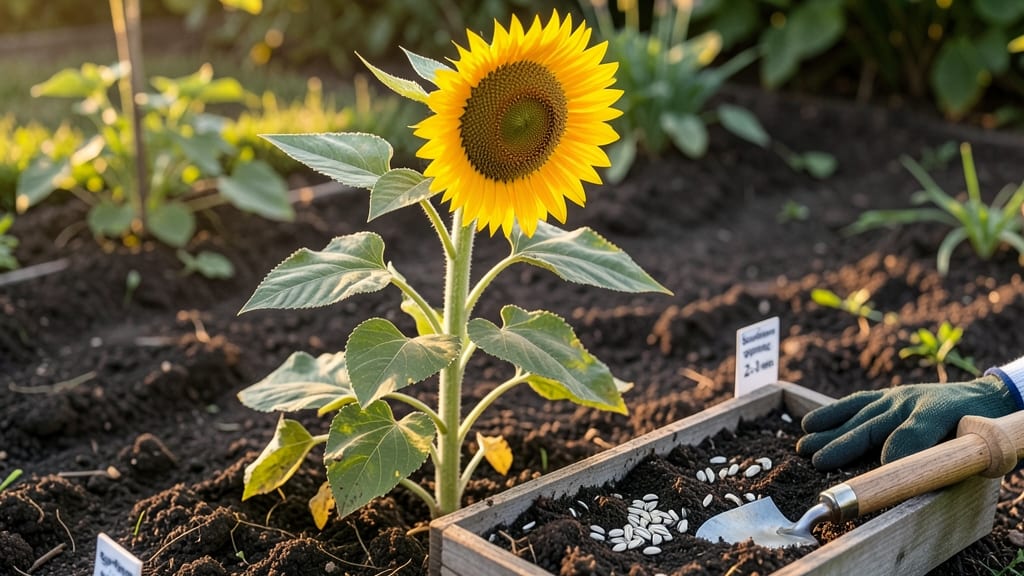
Planting sunflower seeds in Illinois means timing them right for your hardiness zone — between April 15 and June 15 — to avoid frost damage and maximize those towering 🌻 blooms.
Sunflowers bring vibrant color and joy to Illinois gardens—but planting them at the wrong time can mean wilted dreams before they even bloom. Timing is everything, especially with Illinois' variable climate zones and unpredictable springs.
Whether you're in 5b or 6b, soil temperature and frost dates are the real game-changers. Too early, and a late frost will nip your seedlings. Too late, and your sunflowers might bolt before they reach their full height.
Below, I break down the best planting windows for your zone, how to prep your soil, and whether starting indoors or direct sowing works better for Illinois' short growing season.
Best planting dates for sunflowers in Illinois by hardiness zone
Timing your sunflower seeds correctly in Illinois can mean the difference between towering 10-foot giants and sad, stunted plants. Illinois spans USDA zones 5a-6b, with northern areas like Chicago (5b) and southern regions like St. Louis (6b) having different frost risks.
I’ll break down the exact planting windows for each zone, including soil temperature requirements and frost-free date strategies.
Sunflowers thrive when soil temperatures reach at least 50°F (10°C), which typically occurs between mid-April and early May in Illinois. Northern zones (5a-5b) often face late spring frosts until May 15, while southern zones (6a-6b) can start planting as early as April 1.
Waiting until after the last frost date is critical—sunflowers cannot tolerate frost at any growth stage.
Here’s your zone-specific planting guide for Illinois, including ideal dates for both direct sowing and transplanting sunflower seeds:
| Zone | Last Frost Date | Direct Sowing Window | Transplant Window | Soil Temp Requirement |
|---|---|---|---|---|
| 5a (Northern IL) | May 10–15 | May 1–June 15 | April 20–May 10 (start indoors) | ≥50°F (10°C) |
| 5b (Chicago area) | April 25–May 5 | April 20–June 1 | April 1–April 20 (start indoors) | ≥50°F (10°C) |
| 6a (Central IL) | April 15–20 | April 10–May 30 | March 20–April 15 (start indoors) | ≥50°F (10°C) |
| 6b (Southern IL) | April 1–10 | March 25–June 10 | March 1–March 30 (start indoors) | ≥50°F (10°C) |
*Transplanting requires starting seeds indoors 2–3 weeks before outdoor dates.
For direct sowing, plant seeds ½ inch deep and 12–18 inches apart for standard varieties. If you’re transplanting seedlings, harden them off for 7–10 days before moving them outdoors. I recommend using black plastic mulch to warm the soil faster in cooler zones like 5a.
In northern Illinois (zones 5a-5b), late frosts can still hit after May 15, so consider using frost cloth for early plantings. For southern Illinois (zones 6a-6b), you can even plant a second crop in early July for fall blooms—just ensure seeds get 6–8 hours of sunlight daily.
Sunflowers grow fastest in warm soil, so use a soil thermometer to confirm temperatures. If your soil is still cold in May, wait another week—rushing can stunt growth.
In my zone 5b garden, I’ve found that planting by May 10 gives the best balance of frost safety and summer growth.
Pro tip: If you’re growing tall varieties (10+ feet), stake them early or plant near fences/walls for support. Dwarf varieties (3–5 feet) can handle windier zones like northern Illinois without extra support. Always water deeply at planting to encourage strong root development.
Remember, sunflowers are annuals in Illinois, so they’ll complete their life cycle in one season. By planting at the right time, you’ll enjoy vibrant blooms from July to October—just in time for those golden autumn photos! 🌻
How to adjust sunflower planting for Illinois weather patterns
Illinois' unpredictable frosts and summer heatwaves can turn sunflower gardening into a gamble if you're not prepared. The key is flexible planting strategies that account for late frosts in northern Illinois and drought risks in southern regions.
Even in USDA Zone 6b, a sudden cold snap in May can devastate young seedlings.
I've learned the hard way that succession planting is my best defense. Instead of planting all my seeds at once, I stagger them every 2-3 weeks between April and June. This ensures a continuous display of blooms and spreads out the risk of frost damage.
For northern Illinois, I start with dwarf varieties in late April, then move to taller types in early May.
Another critical adjustment is soil moisture management. Sunflowers have deep taproots that need consistent moisture, but Illinois summers can bring drought conditions. I use mulch (straw or wood chips) to retain soil moisture and reduce evaporation.
For container-grown sunflowers, I water deeply every 5-7 days rather than daily shallow watering.
🌱
⚠️ Late Frost Warning for Illinois Sunflowers
Even after your last frost date, northern Illinois (Zones 5a-5b) can experience late frosts until May 15. To protect young seedlings:
- Use row covers (lightweight fabric) until plants reach 6 inches.
- Plant dwarf varieties first—they recover faster from frost.
- Avoid transplanting until soil stays above 50°F for 5+ days.
For heatwave protection, I've had great success with shade cloth (30-50%) during extreme heat. Young sunflowers can bolt prematurely if stressed by temperatures above 90°F.
I drape the cloth loosely over plants during the hottest afternoon hours (12 PM - 4 PM) and remove it by evening to allow sunlight for photosynthesis.
One technique I swear by is deep watering schedules. Instead of frequent light watering, I give my sunflowers a deep soak once a week during dry spells. This encourages those deep taproots to develop, making plants more drought-resistant.
For sandy soils common in central Illinois, I add compost to improve water retention without risking root rot.
If you're in southern Illinois (Zone 6b), focus on late-summer planting for a second harvest. Sow seeds in early July for blooms that last into October. Just be mindful of first frost dates—some years it arrives as early as October 10, cutting the season short.