
Flowers
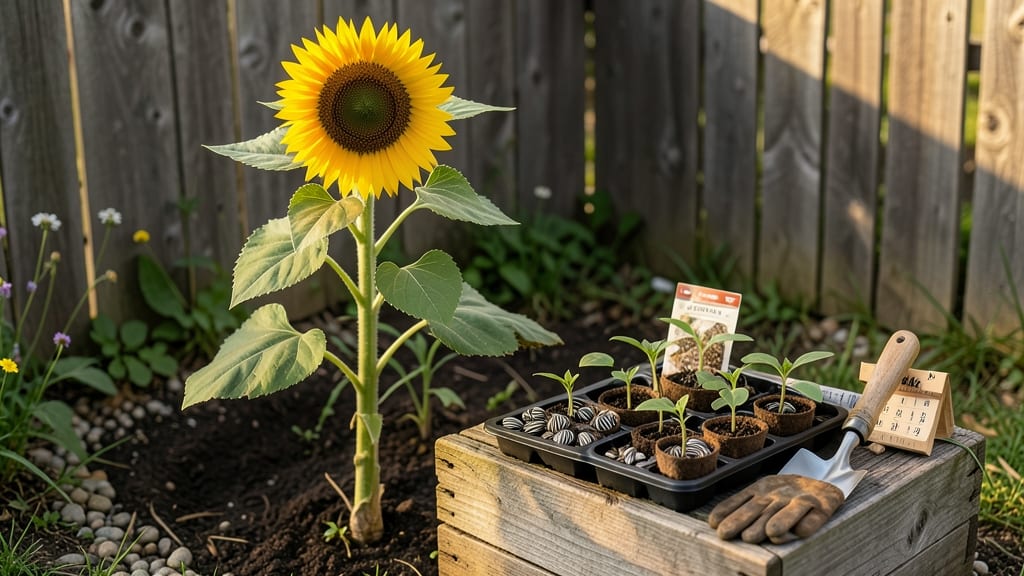
Plant sunflowers in Georgia after the last frost, typically between mid-March and early April, when soil temperatures hit 55°F—this timing avoids frost damage while maximizing their love of heat.
Georgia’s long, hot summers and unpredictable spring frost can make timing your sunflower planting a critical factor in reaping towering, vibrant blooms.
If you plant too early, a late frost will wipe out your seedlings before they get a chance to grow. But wait too long, and the summer heat arrives before the flowers even open.
Below, I’ll walk you through the exact frost-free deadlines by region, the best heat-tolerant varieties for Georgia’s climate, and how to stretch your planting window for a longer harvest.
Georgia sunflower planting deadlines: frost-free zones and heat tolerance
Georgia’s diverse climate—from the humid coastal plains to the cooler Appalachian Mountains—means sunflower planting deadlines vary dramatically by region. Getting the timing right ensures your tall, vibrant blooms thrive in the hot Georgia summers without succumbing to late frosts.
The key is planting after your last average frost date and choosing heat-tolerant varieties like 'Moulin Rouge' or 'Autumn Beauty', which handle Georgia’s 90°F+ temperatures like champions.
For most of Georgia, the optimal planting window spans from mid-March to early May, but coastal areas can start as early as February 15, while mountain regions should wait until April 1.
Soil temperature is just as critical as calendar dates—sunflowers need soil at 55°F or warmer to germinate reliably. If you’re in doubt, use a soil thermometer or wait until mid-April for a safer bet across most of the state.
| Region | Last Frost Date | Ideal Planting Window | Soil Temp for Planting | Heat-Tolerant Varieties |
|---|---|---|---|---|
| Coastal Plains (Savannah, Brunswick) | Feb 15 - Mar 1 | Feb 20 - Apr 15 | 55°F+ | 'Autumn Beauty', 'Teddy Bear' |
| Piedmont (Atlanta, Macon) | Mar 15 - Mar 31 | Mar 20 - May 1 | 60°F+ | 'Moulin Rouge', 'Russian Giant' |
| Mountains (Blue Ridge, Dahlonega) | Apr 1 - Apr 15 | Apr 10 - May 10 | 65°F+ | 'ProCut', 'Sunspot' |
If you’re in the coastal plains, you can push the envelope with early starts—some gardeners in Savannah or Brunswick even direct-sow in late February under row covers to beat the heat.
However, be prepared for humidity-related mildew if nights stay warm. For Piedmont regions like Atlanta, aim for mid-April to avoid late frosts that can blacken young seedlings overnight.
The mountain regions (USDA Zone 7a) have the shortest growing season, so prioritize early-maturing varieties like 'ProCut' (50 days to harvest) or 'Sunspot' (55 days). These thrive in cooler soils and still produce bold, heat-resistant blooms once summer arrives.
Pro tip: Elevate your planting beds in mountain areas to warm soil faster—black plastic mulch can add 5-10°F to soil temperature.
For fall planting, Georgia’s mild winters allow a second chance in late August to early September, especially in Zone 8b areas like Savannah or Macon. Choose short-season varieties like 'Teddy Bear' (50 days) to ensure blooms before the first frost in November.
Avoid planting after September 15 in northern Georgia, as seedlings won’t mature before winter.
One of my favorite heat-tolerant varieties for Georgia is 'Moulin Rouge', a deep red sunflower that thrives in 100°F+ temperatures and attracts pollinators like bees and butterflies. Its dwarf stature (3-5 ft) makes it ideal for containers or small gardens, while still producing edible seeds.
Pair it with 'Autumn Beauty' for a multi-season display—its bicolor blooms transition from yellow to rust as they age, adding autumnal interest.
To test if your soil is ready, press your finger 1 inch deep—if it feels warm to the touch (like a hot cup of tea), it’s time to plant. If not, wait 3-5 days or use black plastic mulch to accelerate warming.
Remember, overheated soil can stress seedlings, so avoid planting when ground temps exceed 90°F—opt for shade cloth if needed.
For container growing, use 5-gallon pots with drainage holes and plant one seedling per container. These can be moved to shadier spots during peak afternoon heat (1 PM–4 PM
How to extend Georgia’s sunflower growing season with succession planting
Georgia’s sunflower season doesn’t have to end with a single harvest—with succession planting, you can enjoy continuous blooms from spring through fall. The key is timing your plantings to avoid late frosts and maximize heat tolerance in our humid climate.
By staggering your sunflower seeds every 2-3 weeks, you’ll create a nonstop floral display while keeping pests and diseases in check.
Start your first batch of sunflower seeds as soon as the soil reaches 55°F and the last frost date has passed—typically mid-March to early April in most of Georgia.
For northern regions like Atlanta, wait until April 15 to be safe, while coastal areas like Savannah can begin as early as February 20. The secret to success lies in consistent soil warmth and protecting young seedlings from unpredictable late frosts.
- 1 Plant every 2 weeks after last frost—start your first batch in March/April, then repeat until June 1 for a continuous harvest. This ensures overlapping maturity and nonstop blooms through fall.
- 2 Use black plastic mulch to warm soil faster and protect seedlings from late frosts. Lay it down 1-2 weeks before planting to raise soil temperature by 5-10°F, giving your sunflowers a head start.
- 3 Plant companion crops like bush beans or marigolds to repel pests and improve soil health. These companion plants also provide shade for seedlings during Georgia’s hot afternoons, reducing stress on young sunflowers.
For fall planting, aim to sow your last batch by August 1 in northern Georgia or September 1 in southern regions. This gives your sunflowers enough time to mature before the first frost, which typically hits mid-November in most areas.
Choose heat-tolerant varieties like 'Autumn Beauty' or 'ProCut', which handle Georgia’s humidity and heat better than standard types.
Don’t overlook the power of shade cloth for early starts. If you’re planting in late winter or early spring, use 30% shade cloth to protect seedlings from intense afternoon sun while still allowing 6-8 hours of light.
Remove the cloth once seedlings are 2 inches tall to encourage strong stem development and vibrant blooms.
Finally, thin your seedlings to 6-12 inches apart once they’re 2-3 inches tall—this prevents overcrowding and ensures each plant gets enough water and nutrients.
In Georgia’s clay-heavy soils, mix in compost or aged manure before planting to improve drainage and fertility, giving your sunflowers the best chance to thrive.
With these succession planting strategies, you’ll enjoy sunflowers in bloom from May through October, turning your garden into a golden paradise that attracts pollinators all season long. 🌻