
Flowers
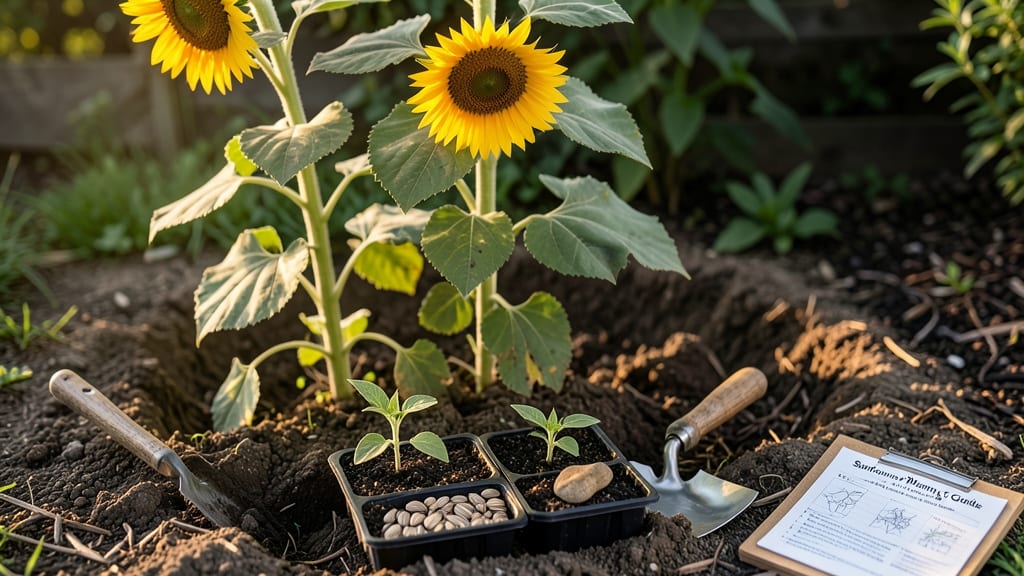
Plant sunflowers in New Jersey between mid-April and late June to give them 100+ days of warmth before frost, ensuring those towering 🌻 stems reach their full height.
If you’ve ever watched a sunflower wilt under a late spring frost or bolt in the heat, you know timing is everything. In NJ’s 6a-7b zones, a single week too early can mean lost blooms, while planting after late June risks stunted growth before the first frost.
This guide breaks down the exact window for your region—whether you’re in coastal 7b or inland 6a—plus how to adjust for microclimates, soil prep, and even fall planting for late-season color.
You’ll learn which sunflower varieties thrive fastest in NJ’s short season, how to protect seedlings from unpredictable frosts, and when to replant for a second harvest before winter sets in.
Best planting dates for NJ sunflowers by USDA Zone 6-7
New Jersey’s USDA Zones 6a-7b offer a perfect window for growing sunflowers—but timing matters. Frost-free dates vary across the state, with northern regions like Sussex County typically seeing their last frost around April 20, while southern areas like Cape May hold off until April 10.
For giant varieties (like 'Mammoth' or 'Russian Giant'), aim for mid-April to early May to ensure they mature before fall frosts.
Soil temperature is just as critical as air temperature. Sunflower seeds need soil at least 50°F to germinate properly. In Zone 6a (northern NJ), this usually aligns with late April, while Zone 7b (southern NJ) can start as early as mid-April.
Use a soil thermometer to confirm—waiting for warm soil prevents leggy, weak seedlings.
Direct sowing is the best method for sunflowers, as they hate transplanting. Start seeds ½ inch deep in loose, well-draining soil. For dwarf varieties (like 'Teddy Bear' or 'Little Becka'), you can push the window slightly later—late May to early June—since they mature faster (50-60 days vs. 100+ days for giants).
Here’s your NJ sunflower planting timeline by variety and region, including last-chance deadlines for fall blooms:
| Variety Type | USDA Zone 6a (North NJ) | USDA Zone 7b (South NJ) | Soil Temp Threshold | Last Chance for Fall |
|---|---|---|---|---|
| Giant (100+ days) | Mid-April to May 10 | Late March to April 20 | 50°F+ | July 15 (Zone 6a) |
| Standard (60-90 days) | Late April to May 20 | Early April to May 10 | 50°F+ | August 1 (Zone 7b) |
| Dwarf (50-60 days) | Late May to June 10 | Late April to June 1 | 50°F+ | September 1 (Zone 7b) |
| Transplants (any type) | May 15 to June 1 | April 25 to May 15 | 55°F+ | July 31 (Zone 6a) |
If you’re transplanting sunflower seedlings (not ideal but doable for late starts), harden them off for 5-7 days before moving outdoors. Zone 6a gardeners should wait until May 15 to avoid frost damage, while Zone 7b can start as early as April 25.
For container growing, use large pots (12"+ diameter) and plant 2-3 weeks earlier than ground dates—containers warm up faster.
Pro tip: Stagger your plantings every 2 weeks to extend your sunflower season. Start with dwarf varieties in late May, then add standard types in early June for continuous blooms.
This works especially well in southern NJ, where the growing season stretches into October. Just be sure to mulch heavily to protect roots from late-season temperature swings.
For fall planting, focus on fast-maturing varieties like 'Autumn Beauty' or 'ProCut'. These can handle cooler temps and still produce vibrant blooms before the first frost. In Zone 7b, you might even get a second flush of flowers if you plant by July 15.
In Zone 6a, limit fall plantings to late July to avoid frost damage.
Watch for NJ’s microclimates: Coastal areas (like Cape May) are 1-2 weeks earlier than inland regions, while the Poconos lag behind by 10 days or more
How to extend your sunflower season in NJ’s unpredictable spring
New Jersey’s unpredictable spring can leave gardeners scrambling when late frosts threaten tender sunflower seedlings. The key to success? A multi-pronged approach that combines cold-hardy varieties, protective measures, and strategic replanting.
With the right tactics, you can coax sunflowers to bloom even when Mother Nature throws curveballs like April showers or sudden 30°F nights.
I’ve grown sunflowers in NJ’s Zone 6a-7b for years, and the difference between a failed crop and a lush display often comes down to these season-extending strategies.
Whether you’re dealing with coastal delays in Cape May or inland frosts near Morristown, these methods will help you maximize your sunflower season—even when the weather doesn’t cooperate.
Here’s how to beat NJ’s late-spring challenges and keep your garden bursting with 🌻 sunflowers from summer through fall:
- 1 Choose cold-tolerant varieties like 'Autumn Beauty' (50-60 days) or 'Moulin Rouge' (60-70 days). These thrive in 50°F soil and can handle light frosts once established.
- 2 Use row covers (floating fabric) for 2-3 weeks after planting. Remove when plants hit 12 inches tall to prevent overheating. This buys 3-4 extra weeks of growth in chilly springs.
- 3 Stagger plantings every 10-14 days from mid-April through early June. This ensures continuous blooms—even if one batch gets nipped by frost.
- 4 Replant for fall color in late July. Choose fast-maturing varieties like 'Teddy Bear' (55 days) to bloom before the first frost (typically October 31 in NJ).
- 5 Warm soil faster by planting in black plastic mulch or near south-facing fences. Aim for 50°F soil temp—use a soil thermometer to track progress.
Don’t let NJ’s unreliable spring steal your sunflower dreams. By combining cold-hardy seeds with protective measures, you can create a continuous bloom season from June through October.
The secret? Start small—test one row cover this year and one staggered planting—then expand next season based on what works best in your microclimate.
Pro tip: Keep a gardening journal to track your sunflower progress. Note when your last frost occurs, how long row covers extend growth, and which varieties perform best in your area. Over time, you’ll fine-tune your schedule to outsmart even the most unpredictable NJ springs.
With these strategies, you’ll enjoy towering sunflowers that attract pollinators, brighten your garden, and prove that even in Garden State weather, great things grow with the right timing and care. 🌱