
Flowers
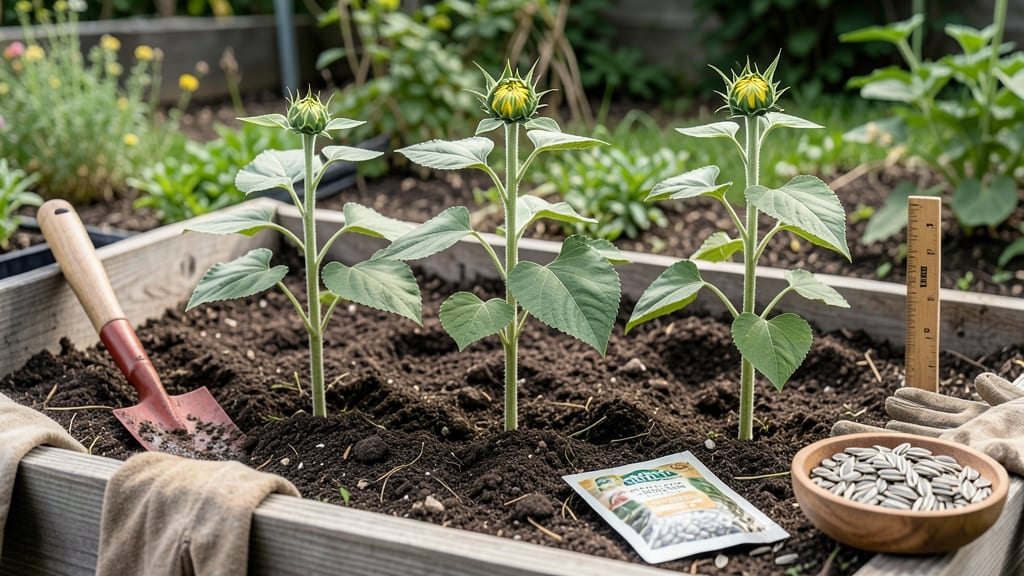
Plant sunflowers in Oklahoma after your last frost date—typically around March 20 for USDA Zone 7a—when soil warms to at least 55°F.
You’ve probably seen those towering 🌻 giants along Oklahoma highways, their golden faces turning toward the sun. But timing matters: plant too early, and a late frost will stunt them.
Too late, and summer’s heat arrives before they bloom. Here’s how to nail the window for sunflowers that reach their full potential.
Most Oklahoma gardeners direct-sow seeds in April or May, but the panhandle’s drier climate means you can start as early as late March. In the southeast, wait until late April to avoid soggy soil.
The key? Monitor soil temperature and last-frost dates—your sunflowers will thank you with 12-foot stems and vibrant blooms.
Below, I break down the best planting windows, soil prep tips, and how to adjust for Oklahoma’s microclimates. Whether you’re growing ‘Moulin Rouge’ for dinner plates or ‘Autumn Beauty’ for late-season color, these steps ensure your sunflowers thrive from seed to harvest.
Best planting windows for sunflowers in Oklahoma’s USDA Zone 7a
Oklahoma’s USDA Zone 7a offers a 180-day growing season, perfect for sunflowers that love warmth and long days. But timing matters—plant too early, and frost will nip tender seedlings.
Too late, and your 12-foot giants might bolt before flowering. The key? Wait until soil warms to 55°F and all frost risk passes.
Most Oklahoma gardeners focus on spring planting (April–May), but fall sowings (late August–early September) can yield late-season blooms. The panhandle’s drier climate allows earlier plantings, while the southeast’s humidity demands more caution against fungal diseases.
📅 Last frost dates vary across Zone 7a:
- Oklahoma City: March 20
- Tulsa: March 15
- Panhandle (e.g., Amarillo): March 1
For container gardening, start seeds indoors 4–6 weeks before your last frost date. Use biodegradable pots to transplant seedlings without root disturbance.
| Planting Window | Soil Temp Threshold | Oklahoma Regions | Notes |
|---|---|---|---|
| Spring: April 15–May 15 | 55°F+ | All regions | Best for tall varieties (e.g., 'Mammoth'). |
| Fall: Late August–September 1 | 60°F+ | Panhandle only | Risk of frost by November 1; choose early-maturing varieties. |
| Extended Season: March 20–April 1 | 50°F+ (with frost cloth) | Southeast OK | Use row covers for protection. |
| Container Start: Indoors, 4–6 weeks before last frost | 65°F+ (seedlings) | Urban areas | Transplant after May 1 for best results. |
If you’re in the panhandle, you can push spring plantings to mid-March thanks to earlier last-frost dates. But in the southeast, wait until mid-April to avoid late freezes. Microclimates matter: A south-facing slope warms faster than a shady north side.
For dwarf varieties (like 'Teddy Bear'), plant as early as March 20—they tolerate cooler soils better. Tall varieties (e.g., 'Russian Giant') need warmer soil (60°F+) to prevent leggy, weak stems.
Pro tip: Use a soil thermometer to confirm readiness. Stick it in the ground 6 inches deep—that’s where roots will grow. If it’s below 55°F, wait a week or two.
Fall plantings are riskier but rewarding. Sow late August–early September for blooms before the first frost (November 1). Choose short-day varieties like 'Autumn Beauty' to ensure they mature before cold snaps.
Remember: Sunflowers are fast growers—from seed to bloom in just 60–120 days. Miss the window, and you’ll end up with stunted plants or no flowers at all. But get it right, and you’ll have sun-drenched giants that turn heads all summer long. 🌻
How Oklahoma’s weather affects sunflower growth: risks and solutions
Oklahoma’s unpredictable weather can turn sunflower dreams into stunted disasters. Late spring freezes, scorching summer heat, and sudden droughts all threaten your golden giants—but with the right strategies, you can beat the odds.
Sunflowers thrive in Oklahoma’s USDA Zone 7a, but they need protection from extreme temperature swings and dry spells to reach their full potential.
One of the biggest risks is late spring freezes, which can kill young seedlings if they’re planted too early. Even after the average last frost date (around March 20), a sudden cold snap can set back growth.
Meanwhile, summer heatwaves (often exceeding 100°F) can cause bolting—where plants flower too quickly but produce small, underdeveloped heads.
🚨 CALLOUT WARNING 🚨
Oklahoma’s secondary freeze risk peaks in April. If nighttime temps drop below 32°F after planting, cover seedlings with frost cloth or row covers. For extra protection, sow seeds after April 15 in most of the state—or start indoors 4-6 weeks before the last expected frost.
Pro Tip: Use black plastic mulch to warm soil faster and extend the growing season by 1-2 weeks.
To combat these challenges, mulching is your best friend. A 3-inch layer of straw or wood chips retains moisture, regulates soil temperature, and suppresses weeds. For summer droughts, deep watering once a week (1-2 gallons per plant) encourages deep root growth.
Avoid shallow, frequent watering, which leads to weak stems and splitting heads.
Not all sunflowers handle Oklahoma’s extremes equally. ‘Autumn Beauty’ is a top pick—its drought tolerance and heat resistance make it ideal for the panhandle, where summers are harsher.
In contrast, ‘Moulin Rouge’ (a semi-dwarf variety) thrives in the southeast with its shorter stature and earlier maturity, avoiding late-season heat stress.
For container gardening, choose ‘Teddy Bear’ or ‘Moulin Rouge’—both stay under 3 feet tall and tolerate Oklahoma’s urban heat islands. If you’re growing giant varieties like ‘Russian Giant’, stake them early to prevent wind damage from Oklahoma’s spring storms and summer thunderstorms.
With these weather-proofing tactics, your sunflowers will bloom taller, brighter, and longer—even in Oklahoma’s most challenging conditions. 🌻