Plants
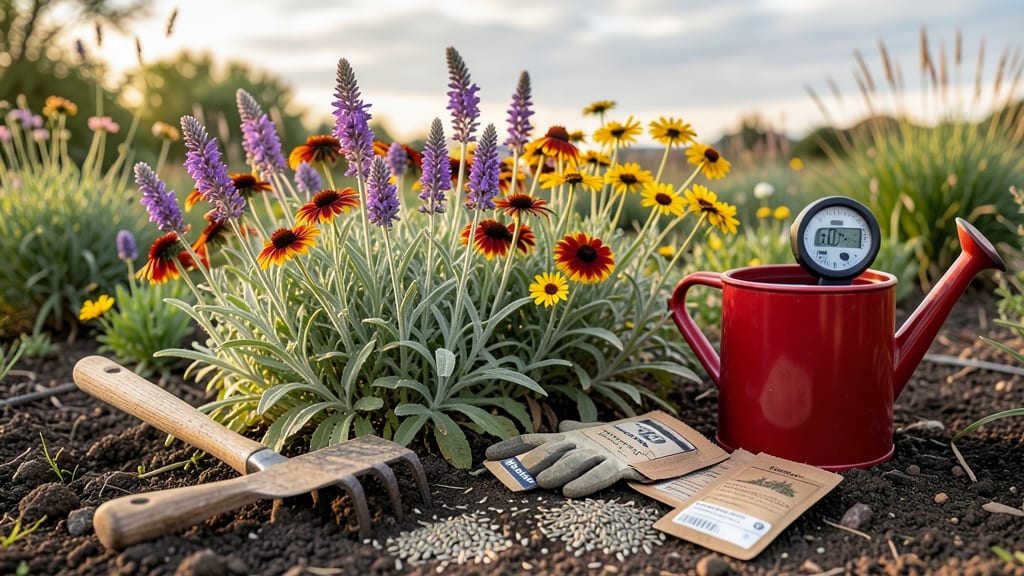
Planting wildflower seeds in Colorado at the right time means the difference between a meadow bursting with color and a failed attempt that fades before summer.
Timing is everything, especially when frost can linger into May in the mountains or drought turns soil to dust by June. Get it wrong, and your seeds might not even sprout—or worse, they’ll bolt before blooming.
Here’s the game-changer: spring planting (March–April) works for most zones, but fall planting (August–September) gives seeds a head start in milder weather. We’ll break down the exact deadlines for zones 5–7, plus the best wildflower varieties for Colorado’s rocky soil and unpredictable weather.
Whether you’re sowing bluebonnets in Denver or blanket flowers near Grand Junction, these tips will help you avoid common mistakes and get the most vibrant blooms possible.
Colorado wildflower planting deadlines by hardiness Zone 5-7
Colorado’s diverse elevation zones (5,000–10,000 ft) create microclimates where frost dates shift dramatically—even within the same USDA zone. Planting wildflower seeds too early risks late frosts, while waiting too long can leave seeds vulnerable to summer drought.
Understanding your local frost-free window is key to success, especially when elevation adds 10–15 days of delay per 1,000 ft.
For example, Denver (Zone 5b) typically sees its last frost around April 15, but Steamboat Springs (Zone 5a at 6,800 ft) may not reach that milestone until May 1.
Meanwhile, Grand Junction (Zone 7a) can start planting as early as March 15. These differences mean adjusting your timeline by 2–4 weeks depending on where you live in Colorado.
Spring planting (March–April) is ideal for most native wildflowers, but fall planting (August–September) works for hardy species like blanket flower (Gaillardia) and yarrow (Achillea). Fall-sown seeds germinate early, giving them a head start before summer’s heat. However, avoid planting fall seeds after September 15—new growth won’t have time to establish before winter.
Here’s your zone-specific planting timeline, accounting for elevation adjustments:
| Zone & Elevation | Last Frost Date | Spring Planting Window | Fall Planting Window | Elevation Adjustment |
|---|---|---|---|---|
| Zone 5 (5,000–6,000 ft) | April 15–May 1 | March 15–April 15 | August 15–September 15 | +10 days per 1,000 ft |
| Zone 6 (6,000–7,000 ft) | May 1–May 15 | April 1–April 15 | August 1–September 1 | +15 days per 1,000 ft |
| Zone 7 (7,000–8,000 ft) | May 15–June 1 | April 15–May 1 | July 15–August 15 | +20 days per 1,000 ft |
| High Altitude (8,000–10,000 ft) | June 1–June 15 | May 1–May 15 | July 1–July 15 | +25 days per 1,000 ft |
For Zone 5 gardeners (e.g., Denver, Fort Collins), aim to plant wildflower seeds by April 15 for spring blooms. If you’re in Zone 6 (Colorado Springs, Salida), push your deadline to May 1 to avoid frost.
Meanwhile, Zone 7 (Grand Junction, Durango) can start as early as March 15, but high-altitude areas like Leadville or Breckenridge should wait until May 1.
Fall planting is less risky at lower elevations (Zones 6–7), where August–September offers ideal conditions. However, Zone 5 gardeners should limit fall planting to hardy species like coreopsis or black-eyed Susan, as winter cold can be harsh.
Always test soil moisture before planting—seeds need consistent moisture to germinate, even in Colorado’s dry climate.
Pro tip: Use a seed starter mix if sowing early in Zone 5 or high-altitude areas. This gives seeds a 2–3 week head start in a protected indoor environment before transplanting outdoors.
For direct sowing, wait until soil temps reach 50°F (10°C)—a simple soil thermometer ($10 at garden centers) makes this easy to check.
One common mistake is planting too late in spring. If you miss the April–May window, switch to fall planting or choose annual wildflowers like cosmos or
Best wildflower seed types for Colorado’s climate and when to Sow them
Colorado’s diverse climate—from the dry Front Range to the high-altitude Western Slope—demands thoughtful wildflower selection. Native varieties like bluebonnets and blanket flowers thrive in our arid conditions, while annuals offer quick color.
The key? Planting at the right time to avoid late frosts or summer droughts. Let’s break down the best species and their ideal planting windows for Colorado’s hardiness zones 5-7.
For spring bloomers, such as lupine and columbine, aim for March-April sowing. These perennials establish roots before summer heat sets in.
Meanwhile, summer annuals like zinnia and black-eyed Susan prefer late summer (August-September) planting, giving them time to germinate before winter. Drought-resistant varieties like yarrow and goldenrod are perfect for high-altitude gardens above 7,000 feet.
-
🌼 Bluebonnets (Lupinus spp.)
Plant in March-April for spring blooms. Native to Texas but naturalized in Colorado; thrives in full sun and well-draining soil. Avoid overwatering—drought-tolerant once established. -
🌻 Blanket Flower (Gaillardia)
Sow late summer (August-September) for vibrant fall/winter color. Heat-loving and drought-resistant; ideal for rocky soils and high-altitude gardens. -
🌿 Yarrow (Achillea millefolium)
Plant March-April or August-September. Extremely drought-tolerant; attracts pollinators and thrives in poor, rocky soil. Perfect for meadows and slopes. -
💛 Goldenrod (Solidago spp.)
Sow late summer (August) for late-season blooms. Native pollinator magnet; tolerates dry, alkaline soils. Avoid planting near ragweed—they bloom at different times! -
🌈 Penstemon (Beardtongue)
Plant March-April for early summer flowers. Cold-hardy and drought-resistant; thrives in partial shade in high-altitude areas. Deadhead spent blooms to encourage reblooming.
If you’re planting in high-altitude zones (7,000+ feet), prioritize native alpine wildflowers like Indian paintbrush or larkspur. These species germinate best in cool, moist spring soil, so don’t wait until summer—March-April is ideal.
For lowland areas (Denver, Colorado Springs), annuals like cosmos and sunflowers can be sown directly into the garden in May for a quick burst of color.
Pro tip: Stratify seeds (mimic winter conditions) for native perennials like columbine or lupine to improve germination rates. Mix seeds with sand, moisten, and refrigerate for 4-6 weeks before planting. This mimics Colorado’s natural cold stratification process and tricks seeds into thinking winter has passed.
For container gardening, choose compact varieties like dwarf coreopsis or shasta daisy. Plant these in late spring (May) after the last frost, using a well-draining potting mix. Keep containers in full sun and water consistently until roots establish—then let them thrive on neglect like their meadow counterparts.
Remember, Colorado’s unpredictable weather means flexibility is key. If spring rains delay planting, fall sowing (September) is a great backup for cool-season wildflowers. Just ensure seeds germinate before first frost—typically mid-October in most zones.
With the right species and timing, your wildflower meadow will bloom like a Colorado sunset.