
Companion Plants
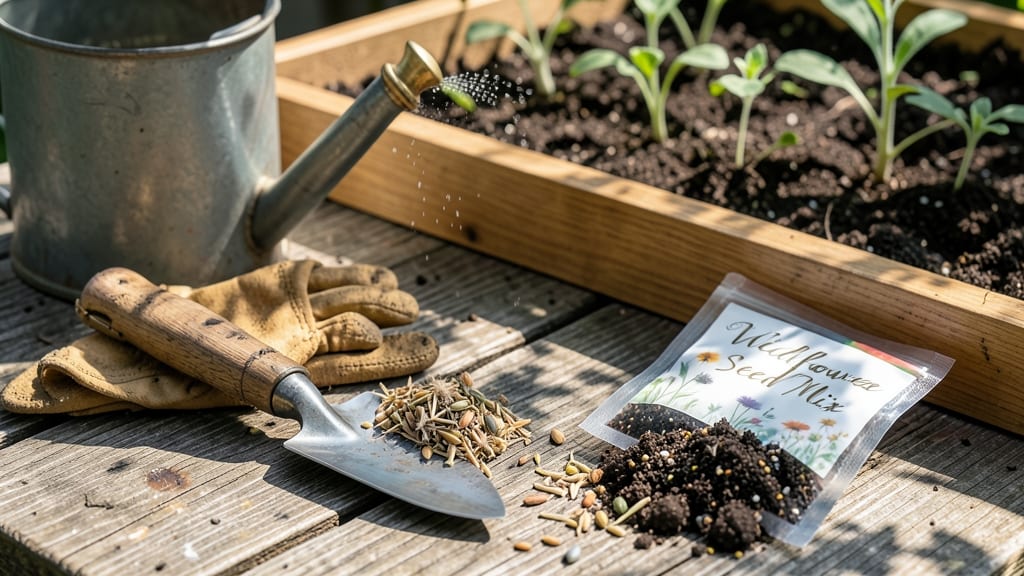
Plant wildflower seeds in Pennsylvania between late winter and early spring or late summer to early fall for vibrant blooms 🌼 that last all season.
Miss that window, and you might end up with a patch of dirt instead of a meadow bursting with color. Pennsylvania’s Zone 6-7 climate means timing is everything—plant too early, and frost will kill your seeds; too late, and you’ll miss peak blooming seasons.
Whether you’re sowing black-eyed Susans or cone flowers, the right moment depends on your region—Philadelphia’s last frost hits around April 15, while Pittsburgh might get a late freeze in early May. I’ll break down the exact deadlines and pro tips to ensure your wildflowers thrive.
From soil prep to frost protection, you’ll learn how to stretch your planting season by 2-4 weeks and avoid the most common mistakes that leave gardens looking bare. Let’s get those seeds in the ground at the perfect time!
Pennsylvania wildflower planting deadlines by month (Zone 6-7 guide)
Timing is everything when planting wildflowers in Pennsylvania’s Zone 6-7. Miss the frost-free window, and your seeds may not germinate—or worse, they’ll rot in cold soil. The best planting months depend on whether you’re sowing annuals (like cosmos) or perennials (like coneflowers), as well as your local microclimate.
For example, Philadelphia’s last frost typically arrives by April 15, while Pittsburgh may see frost as late as May 1. Plan accordingly!
Fall planting is ideal for many native species because cooler temperatures and winter moisture help seeds stratify naturally—a process that mimics their natural dormancy period. If you miss fall, spring planting works too, but you’ll need to chill seeds for 4–6 weeks beforehand.
For black-eyed Susans and purple coneflowers, this stratification step is critical for germination success.
Here’s your month-by-month planting schedule, tailored to Pennsylvania’s Zone 6-7 and regional variations:
| Month | Best Planting Window | Key Species | Notes |
|---|---|---|---|
| January | Indoor starts only | Annuals (zinnias, cosmos) | Stratify seeds for 4–6 weeks |
| February | Indoor starts or cold-frame | Perennials (coneflower, milkweed) | Prepare soil for early spring |
| March | Outdoor sowing (after last frost risk) | All annuals, some perennials | Wait until soil reaches 50°F |
| April | Primary outdoor window | Black-eyed Susan, goldenrod | Best for full sun meadows |
| May | Late sowing (succession planting) | Annuals (sunflowers, marigolds) | Keep soil moist for germination |
| August | Fall prep begins | Perennials (butterfly weed) | Scarify soil for seed contact |
| September | Ideal fall planting | All perennials, some annuals | Seeds stratify naturally |
| October | Last chance before frost | Hardy perennials (aster) | Cover with mulch after sowing |
For Pittsburgh (Zone 6), aim to plant annuals by May 15 to avoid late frosts, while Philadelphia (Zone 7) gardeners can push deadlines to May 30. If you’re sowing per
Best wildflower seed types for PA climates and their ideal planting times
Choosing the right wildflower seeds for Pennsylvania’s Zone 6-7 climate means balancing quick-blooming annuals with hardy perennials. Annuals like cosmos and zinnias deliver instant color but need precise timing, while perennials like purple coneflower and butterfly weed establish roots for years of blooms.
Your planting deadline hinges on whether you’re sowing seeds for a spring display or fall establishment before winter dormancy.
For annual wildflowers, aim for late spring (after your last frost date) to enjoy blooms all summer. Perennials, however, thrive when planted in early fall (September-October) or late winter (February-March) to take advantage of cooler temperatures and natural stratification.
Let’s break down the pros and cons of each type to help you decide which fits your garden goals and timeline.
Annual Wildflowers vs. Perennials: PA Planting Guide
- ✅ Fast blooms (6-8 weeks)
- ✅ Low maintenance (no replanting)
- ✅ Great for pollinators (zinnias, cosmos)
- ✅ Years of blooms (3-5+ years)
- ✅ Drought-tolerant (once established)
- ✅ Native species (supports local ecosystems)
- 🌱 Annuals: Late spring (May-June)
- 🌱 Perennials: Early fall (Sept-Oct) or late winter (Feb-Mar)
- ☀️ Annuals: Full sun (6+ hours)
- ☀️ Perennials: Full sun to partial shade
- 🪴 Annuals: Loose, well-draining soil
- 🪴 Perennials: Lightly disturbed soil (no deep tilling)
If you’re planting annual wildflowers like cosmos or zinnias, wait until after your last frost date (typically mid-May in most of PA) to avoid frost damage. These seeds germinate quickly in warm soil, so don’t rush—cool spring soil can delay sprouting.
For perennials, like purple coneflower or butterfly weed, early fall planting (September) gives roots time to establish before winter, while late winter (February-March) planting takes advantage of natural stratification for spring growth.
Prepare your soil differently for each type: annuals need well-draining, loose soil to prevent rot, while perennials thrive in lightly disturbed native soil that mimics their natural habitat. A quick soil test for pH (aim for 6.0-7.0) ensures optimal germination.
For annuals, scatter seeds lightly and rake just enough to cover them—no need to bury deeply. Perennials, however, benefit from a thin layer of compost mixed into the top inch of soil to encourage root development.
Pro tip: Mix annuals and perennials in the same meadow for continuous color. Plant cosmos or zinnias in early summer for instant blooms, then add purple coneflower or black-eyed Susans in fall for next year’s showstopper.
This combo ensures your garden stays vibrant from June through October without gaps in blooming seasons.
Don’t overlook sunlight requirements—most wildflowers need 6+ hours of full sun daily, but perennials like bee balm tolerate partial shade. Mark your garden’s sunniest spots and adjust your seed choices accordingly. If your yard has shady areas, opt for wild bergamot or columbine, which thrive in dappled light.
With the right mix of annuals and perennials and precise planting times, your PA meadow will burst into color year after year—minimal effort, maximum impact. Start with a small patch, experiment with different varieties, and watch your garden transform into a pollinator paradise! 🌼