
Plants
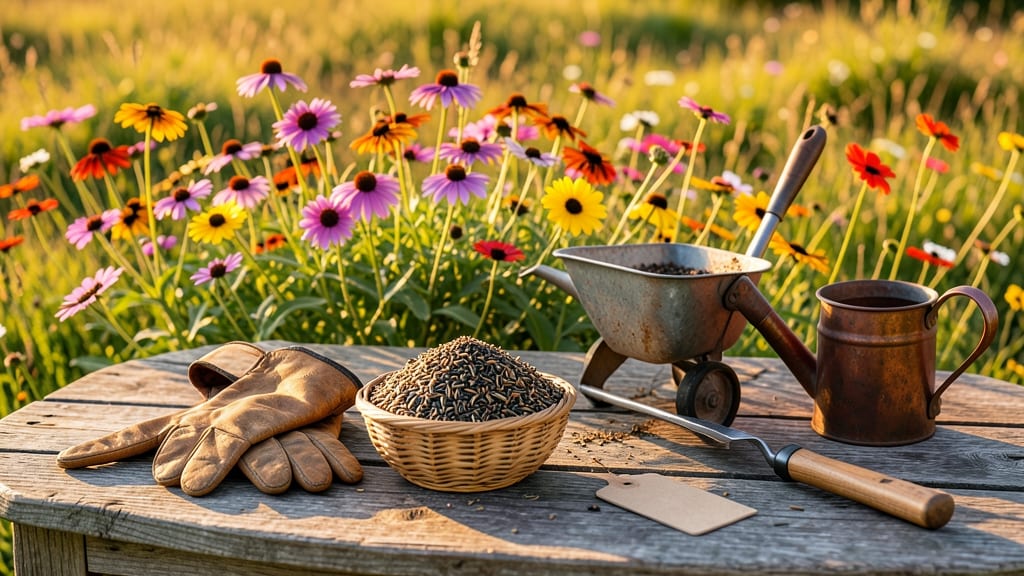
Planting wildflower seeds in Kentucky at the right time means the difference between a burst of color and a season of disappointment.
Timing is everything when planting wildflowers in Kentucky—get it wrong, and your blooms may never appear. But with Kentucky’s diverse USDA zones (6a-7b), knowing the exact frost-free window ensures vibrant meadows year after year.
Most gardeners in Kentucky swear by fall planting, but early spring works too—just wait until the soil warms to 50°F or higher. The key is avoiding late frosts, which can bury seeds before they sprout.
Below, I’ll break down the best months for your zone, soil prep tricks to boost germination, and how to pick seeds that thrive in Kentucky’s clay-heavy soil.
Kentucky’s wildflower planting calendar by USDA Zone (5b-7a)
Kentucky’s diverse microclimates and USDA zones 5b-7a create unique planting windows for wildflowers. While fall planting (September-October) is ideal in most areas, spring planting (March-April) works in warmer zones. Understanding your frost-free dates is critical—get it wrong, and your wildflowers may struggle to establish before winter.
In Zone 5b (Appalachian regions like Pikeville), the last frost typically arrives April 15-30, while Zone 7a (Bluegrass region like Louisville) sees its last frost March 15-25. These differences mean fall planting is safer in cooler zones, while spring planting is more flexible in warmer areas.
Regional adjustments matter too. Appalachian highlands often experience earlier frosts and cooler soils, while Bluegrass regions can handle later spring plantings. Always check your local frost-free date—Kentucky’s average first frost ranges from November 1-15, depending on elevation.
| USDA Zone | Last Frost Date | First Frost Date | Best Planting Window | Regional Notes |
|---|---|---|---|---|
| 5b (Appalachia) | April 15-30 | November 1-15 | Fall (Sept 15-Oct 15) | Cooler soils; prioritize fall planting |
| 6a (Eastern KY) | April 1-15 | November 10-25 | Fall (Sept 1-Oct 30) or Spring (March 15-April 15) | Moderate climate; both windows work |
| 6b (Central KY) | March 25-April 10 | November 5-20 | Fall (Sept 1-Oct 15) or Spring (March 1-April 15) | Warmer microclimates allow spring flexibility |
| 7a (Bluegrass) | March 15-25 | November 10-25 | Fall (Sept 1-Oct 30) or Spring (March 1-April 30) | Longer growing season; spring planting ideal |
For Zone 5b gardeners, fall planting is non-negotiable. Sow seeds 6-8 weeks before first frost (typically September 15-October 15) to allow roots to establish before winter. In Zone 7a, you can plant as late as early November or even early spring (March 1-April 30), thanks to milder winters.
Regional microclimates add another layer. Mountainous areas like Eastern Kentucky may experience earlier frosts than lowland regions. If you’re unsure, use seedling trays for spring planting to give tender wildflowers a head start before transplanting after the last frost.
Soil temperature matters too. Wildflower seeds need soil temps above 60°F for optimal germination. In Appalachia, wait until late April for spring planting, while Bluegrass regions can start as early as mid-March. Use a soil thermometer to confirm readiness.
Don’t overlook fall planting benefits. Seeds sown in September-October germinate early the following spring, giving your wildflowers a competitive edge against weeds. Plus, fall rains help establish roots before summer heat arrives. For Zone 6b-7a, this means September 1-October 15 is prime time.
If you miss fall, spring planting is your next best option. In Zone 7a, you can even direct-sow until April 30, but prioritize early March plantings for best results. Always water thoroughly after planting to help seeds make contact with the soil.
Pro tip: Stratify seeds if planting in fall. Cold, moist conditions naturally break seed dormancy, but you can mimic this by mixing seeds with damp
Best wildflower seed types for Kentucky’s climate and soil
Kentucky’s diverse climate and clay-heavy soils demand wildflower varieties that thrive in both humidity and heat. Native species like black-eyed Susan and purple coneflower dominate local gardens for their resilience and vibrant blooms.
These plants not only adapt to Kentucky’s soil but also attract pollinators like bees and butterflies. For drought-prone areas, focus on species like coreopsis or butterfly milkweed, which need minimal water once established.
Here’s a quick comparison of the top wildflower seeds for Kentucky, ranked by their bloom season, soil tolerance, and maintenance needs:
Top Wildflower Seeds for Kentucky
Black-Eyed Susan
Pros: Thrives in clay soil, drought-tolerant, long bloom season (June–October).
Cons: Can spread aggressively; prefers full sun.
Purple Coneflower
Pros: Native pollinator magnet, adapts to poor soil, late-season blooms (July–October).
Cons: Slow germination; needs well-draining soil in wet areas.
Coreopsis
Pros: Drought-resistant, bright yellow blooms, fast-growing.
Cons: May self-seed excessively; prefers sunny spots.
Butterfly Milkweed
Pros: Monarch butterfly host, tolerates clay, long-lasting flowers (June–September).
Cons: Toxic to pets if ingested; needs full sun.
For clay-heavy soils, mix seeds with compost or sand to improve drainage. If your garden gets partial shade, opt for wild bergamot or columbine, which handle lighter conditions better.
My top recommendation for Kentucky gardeners? Start with a mix of black-eyed Susan and purple coneflower—they’re low-maintenance, pollinator-friendly, and adaptable to most soil types.
Once planted, these wildflowers will self-seed year after year, creating a low-effort meadow that thrives with minimal care. Just remember: full sun and well-prepared soil are your best friends!