
Companion Plants
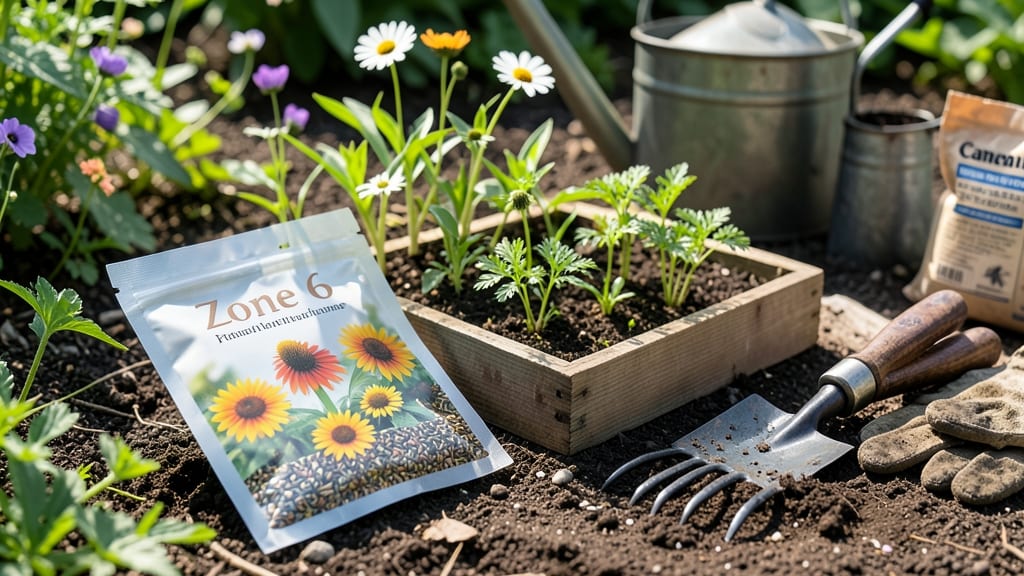
To plant wildflower seeds in Zone 6 for fast, vibrant blooms, aim for early spring or fall when soil temperatures hover between 40°F and 70°F—this is the golden window for germination.
Picture this: you scatter seeds in September, a light frost dusts the ground, and by June, your meadow bursts into color. But plant too early, and frost will nip tender sprouts; too late, and summer heat arrives before blooms even peek through.
The difference between a thriving meadow and a missed opportunity often comes down to timing.
Zone 6’s 6a-6b climate means your last frost typically hits mid-April, but some years linger later. Fall planting—especially in September—gives seeds a head start, while spring sowing (March-April) works for quick annual blooms.
Native varieties like black-eyed Susans and coneflowers thrive in these conditions, but choosing the right mix for your microclimate makes all the difference.
Below, I’ll break down the exact months to plant, soil prep secrets, and how to pick seeds that bloom reliably year after year—no guesswork required.
Best months to plant wildflower seeds in Zone 6 for year-round color
Zone 6 gardeners know that timing is everything when planting wildflower seeds. The difference between a lush meadow and a failed attempt often comes down to choosing the right planting window.
In this region, where last frosts can linger into April and first frosts arrive by October, strategic planting ensures vibrant blooms from spring through fall.
Most wildflowers thrive when sown in either early spring (just after frost danger passes) or fall (6-8 weeks before frost).
This timing allows seeds to establish roots before extreme heat or cold sets in. Annuals like cosmos and zinnias prefer spring planting, while perennials such as coneflowers benefit from fall sowing for deeper root development.
Northern Zone 6 (6a) has slightly later frost dates than southern areas (6b), so adjust your schedule accordingly. For example, southern Zone 6 may see safe spring planting by mid-March, while northern Zone 6 should wait until late April.
Fall planting should begin by September 1st in both regions to allow seeds time to germinate before winter.
Here’s a quick comparison of your best options for wildflower seed planting in Zone 6:
Spring planting offers the fastest results, with many annual wildflowers blooming just 6-8 weeks after sowing. For example, cosmos and black-eyed Susans thrive when planted in March or April, delivering bold colors by summer.
However, spring-sown seeds may struggle if late frosts arrive, so always check your local frost dates.
Fall planting, on the other hand, gives perennial wildflowers like coneflowers and bee balm time to develop strong roots before winter. Seeds sown in September or early October often germinate in spring, producing healthier, more drought-resistant plants.
This method also reduces competition from weeds and ensures a longer bloom season.
For gardeners in southern Zone 6, late summer planting (early August) can work for heat-loving annuals like sunflowers and zinnia. These varieties tolerate warm soil and may even bloom into fall.
However, avoid planting after mid-August, as seeds may not have enough time to establish before frost.
Regardless of when you plant, always prepare your soil by removing weeds and loosening the top 2–3 inches of soil. Scatter seeds lightly (most wildflower seeds are tiny) and press them into the soil—no need for deep burial.
Keep the area moist until germination, which typically takes 10–30 days depending on the species and weather conditions.
Pro tip: If you’re unsure about your local frost dates, use a frost calendar or consult your local cooperative extension office. They can provide precise data for your specific microclimate, helping you fine-tune your planting schedule for maximum success.
With the right timing, your Zone 6 garden can burst into color from spring through fall, attracting pollinators and adding natural beauty to your landscape. Start with just a small patch, and you’ll quickly see why wildflowers are a low-maintenance, high-reward addition to any garden.
How to prepare your Zone 6 soil and site for wildflower success
Before scattering wildflower seeds in Zone 6, your soil and site need careful prep to ensure vibrant blooms. Wildflowers thrive in well-draining soil with moderate fertility, but they despise heavy clay or compacted ground.
Start by clearing weeds and debris—this gives seeds direct contact with the soil and reduces competition. Native wildflowers like black-eyed Susans and purple coneflowers will reward you with minimal effort if given the right conditions.
Test your soil’s pH level—most wildflowers prefer a slightly acidic to neutral range (6.0–7.0). If your soil is too alkaline, amend it with composted leaf mold or peat moss to lower the pH gradually.
Avoid synthetic fertilizers, as wildflowers often struggle with excessive nitrogen, which promotes leafy growth over blooms. Instead, focus on organic matter like compost or well-rotted manure to feed the soil naturally.
Sunlight is non-negotiable for wildflowers—aim for at least 6 hours of direct sun daily. Scan your site for shady spots (like under trees) and reserve those for shade-tolerant varieties like wild columbine. If your area gets partial shade, choose adaptable mixes with coreopsis or yarrow, which tolerate lighter conditions. Mark your sunniest patches with stakes to plan seed distribution efficiently.
Zone 6 Soil Prep Checklist
- ☑️ Test soil pH (aim for 6.0–7.0)
- ☑️ Remove weeds/debris from planting area
- ☑️ Loosen top 2–3 inches of soil with a rake
- ☑️ Add compost (1–2 inches) for organic matter
- ☑️ Level uneven ground to prevent water pooling
- ☑️ Choose native seeds to avoid invasives like Johnson grass
- ☑️ Mark sunny spots (≥6 hours sun/day)
Drainage is critical—wildflowers rot in soggy soil. If your yard holds water after rain, consider raising beds or amending the soil with sand or perlite to improve aeration. For large areas, a broadfork (a garden tool) can loosen compacted soil without turning it into a tilled mess.
Avoid overworking the soil, as wildflowers prefer a natural, undisturbed environment. Once prepped, lightly rake the surface to create a fine seedbed—this ensures seeds make contact with the soil without being buried too deeply.
When selecting wildflower seed mixes, prioritize native varieties over non-native ones to support local ecosystems and avoid invasives like Russian knapweed. Check labels for percentage of native species—aim for 90% or higher for ecological benefits.
Mixes labeled for Zone 6 will include hardy species like wild bergamot and partridge pea, which thrive in your climate. If you’re unsure, consult your local cooperative extension office for region-specific recommendations.
Finally, gather your tools: a garden rake, compost, soil test kit, hose with gentle spray, and optional mulch (like straw) to retain moisture. Work in cool, overcast days to reduce seed stress, and keep newly planted areas consistently moist (not soggy) until germination.
With the right prep, your Zone 6 wildflower meadow will burst into color in as little as 6–8 weeks!