
Planting
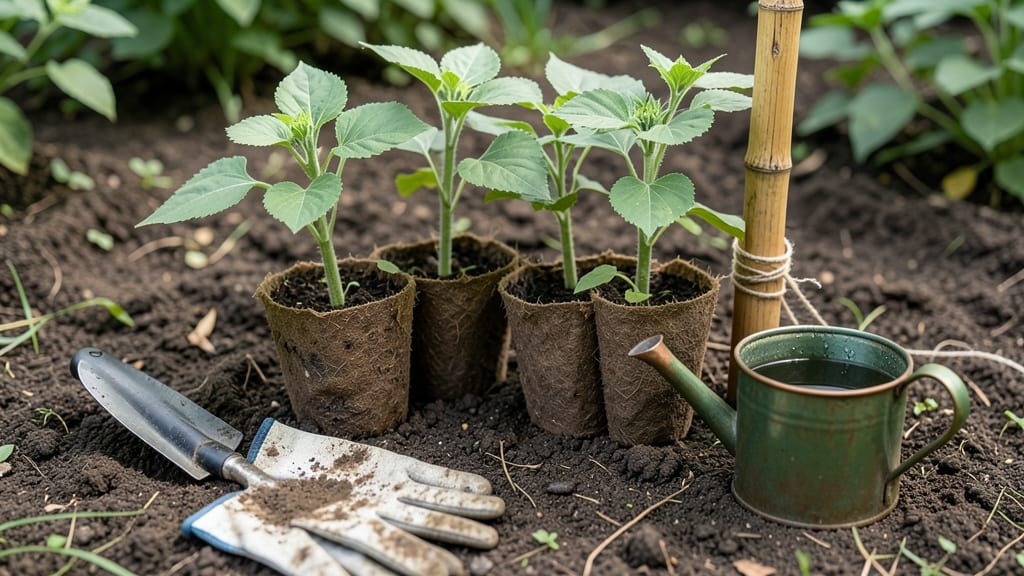
Transplanting sunflower seeds at the right time ensures fast, healthy growth and those towering 🌻 blooms you’ve been dreaming of.
Picture this: you’ve nurtured your seedlings indoors, only to rush them outside too early—just as a late frost nips their progress. Or worse, you wait too long, and the heat arrives before they’re ready, leaving you with leggy, weak stalks.
The difference between a thriving sunflower and a struggling one often comes down to soil temperature and timing.
In Zone 6a, where many gardeners start their sunflower journey, the ideal transplant window opens in late April to early May, after the last frost has passed. But soil warmth matters more than the calendar—cold ground can stall growth, even if the air feels spring-like.
Below, I’ll walk you through the soil warmth test, regional adjustments, and the exact steps to transplant your sunflowers for maximum speed and success.
You’ll also discover the three key signs your seedlings are ready to move, how to harden them off without shock, and the one mistake that kills more sunflower transplants than frost ever will. Let’s get those seeds in the ground the right way!


Ideal soil temperature for transplanting sunflower seeds (and how to test it)
Sunflower seeds thrive when transplanted into soil that’s warmed by spring’s gentle embrace—not the calendar. The ideal soil temperature for transplanting sunflowers is between 50°F and 60°F. Below this range, growth slows dramatically, and seedlings may rot or fail to establish roots.
Above 60°F, you risk shocking tender seedlings with sudden heat, especially in Zone 6a where spring temperatures can swing wildly.
Think of it like waiting for a warm bath after a long winter—your sunflowers need that cozy soil to stretch their roots confidently. In my experience, late April to early May is typically the sweet spot in most regions, but this varies.
The key? Test your soil, not just the air temperature. A chilly morning might feel spring-like, but the ground could still be holding onto winter’s chill.
Here’s the golden rule: Never transplant sunflowers when soil temps dip below 50°F. In colder zones (like Zone 3-5), you might need to wait until late May or even early June.
Warmer zones (like Zone 8-10) can start as early as March, but always verify with a soil test. The difference between success and failure often comes down to this one simple check.
To test soil temperature accurately, use a soil thermometer—they’re cheap, reusable, and save you from guesswork. Insert the probe 4-6 inches deep (where roots will grow) and wait 30 seconds for a reading.
Early mornings are best because soil temps are most stable then. If your thermometer reads below 50°F, hold off on transplanting for at least 5-7 days and monitor daily.
| Condition | Specification | Action |
|---|---|---|
| Soil Temperature | 50–60°F (10–15°C) | Transplant when consistent for 3+ days |
| Frost Risk | None (after last frost) | Wait 2 weeks post-frost for soil to warm |
| Zone 3–5 | Late May–June | Use black plastic mulch to warm soil faster |
| Zone 6a | Late April–early May | Test soil daily; avoid transplanting if <50°F |
| Zone 8–10 | March–April | Watch for heat stress; transplant in shade first |
| Alternative Test | Finger test (soil feels warm but not hot) | Insert finger 2" deep; should feel like lukewarm bathwater |
No soil thermometer? No problem. The finger test is a reliable backup. Stick your finger 2 inches deep into the soil. If it feels lukewarm (like a bath on a cool day), your sunflowers are ready.
If it’s cold or damp, wait longer. I’ve used this method for years—it’s foolproof once you get the feel of it. Pro tip: Test in the shade to avoid sun-warmed surface temps that mislead you.
Regional adjustments matter, especially if you’re in a late frost zone or high-altitude garden. For example, in Zone 3, where frost lingers until early June, I’ve seen gardeners use black plastic mulch to raise soil temps by 10°F in just a few days.
Lay it down 1-2 weeks before transplanting to give your soil a head start. In Zone 9, where heat arrives early, transplant in the late afternoon to avoid shocking seedlings with midday sun.
One common mistake I see is transplanting sunflowers too early because the air feels warm. But air and soil temps are two different beasts.
In Zone 6a, I’ve watched seedlings wilt within days when transplanted into 45°F soil, even if the high was 70°F. Always prioritize soil warmth over air temperature—your sunflowers will thank you with stronger stems and bigger blooms.
Once your soil hits that 50–60°F sweet spot, it’s time to transplant. Harden off your seedlings first (acclimate them to outdoor conditions over 5–7 days), then pop them into the ground. Water deeply after transplanting to encourage root growth, and keep an eye on the weather.
If a light frost is forecast within 48 hours, delay transplanting until temps stabilize. With the right soil warmth, your sunflowers will shoot up like rocket ships—and you’ll be rewarded with those iconic golden faces by summer.
🌱
Signs your sunflower seedlings are ready for transplanting (and what to avoid)
Your sunflower seedlings are ready for transplanting when they’ve developed 4-6 true leaves—those are the second set of leaves that look like tiny sunflowers, not the first tiny seed leaves. This usually takes about 2-3 weeks after germination, depending on your indoor growing conditions.
At this stage, their stems should be sturdy, about ¼-inch thick, and capable of supporting their future height.
Another key sign is when seedlings reach 6-8 inches tall. If they’re stretching too much toward the light (a sign of etiolation), they’ve likely waited too long indoors. This leggy growth means they’re desperate for sunlight and may struggle to stand upright once transplanted.
The goal is to move them outside when they’re compact and robust, not stretched and weak.
Environmental cues also matter. Daylight hours should be 14+ hours of light—sunflowers need long days to thrive. If you’re in a region with shorter days, like the Pacific Northwest, you might need to supplement with grow lights until the days lengthen naturally.
Watch for warmer nighttime temperatures, ideally above 50°F, as cold nights can shock young plants.
Check the roots too—if they’re circling tightly in their container, it’s a sign they’re root-bound and need to be moved. Gently squeeze the pot to see if roots are growing through the drainage holes. Healthy roots should be white or pale yellow, not brown or mushy.
If you spot any brown, mushy roots, your seedlings may have damping off, a fungal issue that requires replanting only healthy specimens.
Finally, time it right with soil warmth. Use your finger to test soil temperature—it should feel warm but not hot (like a cozy bath, not a sauna). If it’s still cold, wait a few more days.
In Zone 6a, aim for late April to early May, but always confirm with your local frost dates. Transplanting too early can lead to frost damage, while waiting too long may result in bolting (premature flowering) or weak stems.
Once you’ve confirmed all these signs, it’s time to transplant! Choose a sunny spot with well-draining soil, dig holes twice as wide as the root ball, and water deeply after planting.
Mulch around the base to retain moisture and protect young roots from temperature swings. With the right timing, your sunflowers will shoot up like giant green rockets!