
Diseases
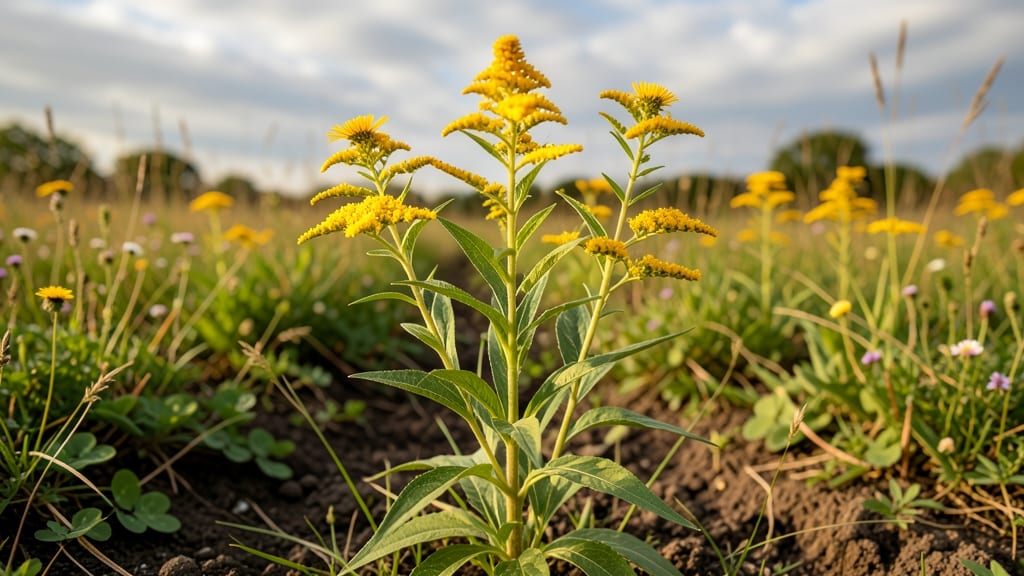
Your yellow flower stalk might be struggling with more than just poor soil—it could be a sign of overwatering, nutrient deficiencies, or even a sneaky fungal infection.
Seeing those unsightly yellow patches or black spots can turn a beautiful bloom into a gardener’s worst nightmare. But before you pull it out, there’s a good chance you can revive it with the right steps. The key is figuring out what’s causing the problem first.
Overwatering often leads to yellowing leaves and weak stalks, while nutrient deficiencies like nitrogen or magnesium can leave your flowers looking pale and weak. Fungal diseases, such as powdery mildew, might also be the culprit, especially if you’ve noticed a white, powdery coating on the leaves.
In this guide, I’ll walk you through how to diagnose the issue and apply the 3-step fix to get your flower stalks back to their vibrant best. You’ll learn how to adjust watering, treat fungal infections, and even prune affected areas—all without losing your plants for good.
Why your yellow flower stalk is turning yellow or spotted
When your flower stalks start turning yellow or spotted, it’s your plant’s way of signaling distress. These visual warnings rarely appear without cause, and identifying the root issue is the first step to recovery.
Whether you’re growing goldenrod, sunflowers, or dahlias, the symptoms often point to one of four common culprits: overwatering, nutrient deficiencies, fungal infections, or environmental stress.
Before reaching for fungicides or fertilizers, take a closer look at the pattern of discoloration. Is the yellowing uniform or patchy? Are the spots black and crusty or soft and mushy? These details help narrow down the diagnosis.
For example, yellowing leaves paired with wilting stalks often indicate overwatering, while black spots with a fuzzy texture scream fungal infection. Let’s break down each cause and how to spot them early.
Comparison Table: Diagnosing Yellow or Spotted Flower Stalks
| Issue | Symptoms | Root Cause | Quick Fix |
|---|---|---|---|
| Overwatering | Yellowing lower leaves, soft stems, mushy roots | Poor drainage, excessive watering | Reduce watering, amend soil with perlite |
| Nutrient Deficiency | Yellow between veins, stunted growth, weak stalks | Lack of nitrogen or magnesium | Apply balanced fertilizer (5-10-10) |
| Fungal Infection | Black spots, powdery white growth, spreading lesions | Humidity, poor airflow, wet foliage | Prune infected parts, neem oil spray |
| Environmental Stress | Uneven yellowing, leaf curling, brown edges | Heatwave, wind damage, or poor sunlight | Move to shade, mulch soil |
If your flower stalks are turning yellow due to overwatering, you’ll likely notice the problem starting at the base of the plant. The soil may feel soggy to the touch, and the stalks might feel limp or mushy when gently squeezed.
This is your plant’s way of saying it’s drowning in its own pot. Overwatering disrupts the plant’s ability to absorb nutrients, leading to chlorosis (yellowing) as the leaves struggle to produce chlorophyll.
For nutrient deficiencies, pay attention to the pattern of yellowing. If the yellow appears first between the veins and spreads outward, it’s often a sign of magnesium deficiency. This condition, called interveinal chlorosis, is common in calcium-heavy soils or when plants lack proper fertilization.
A simple soil test can confirm if your garden is deficient in essential minerals like nitrogen or potassium.
Fungal infections are another top culprit for yellowing or spotted flower stalks, especially in humid climates. Look for black or brown spots that may have a fuzzy or powdery texture. These are classic signs of powdery mildew or leaf spot diseases. Fungal spores thrive in wet conditions, so improving airflow around your plants—by pruning or spacing them further apart—can prevent future outbreaks.
Finally, environmental stress like extreme heat or sudden temperature drops can cause yellowing flower stalks. Unlike nutrient issues, this type of stress often results in uneven discoloration or leaf curling.
If your plants are suddenly wilting in hot afternoons, consider providing afternoon shade or mulching to retain moisture. Even windburn can cause similar symptoms, so check for brown or crispy edges on leaves.
Don’t overlook the importance of soil health in diagnosing yellowing stalks. Compacted or poorly draining soil can starve roots of oxygen, leading to yellowing
3-Step fix for reviving a yellow or spotted flower stalk
If your flower stalks are turning yellow or developing black spots, don’t toss them just yet! With the right approach, you can often bring them back to full health. The key is acting quickly and addressing the root cause—whether it’s overwatering, nutrient deficiencies, or fungal infections.
I’ll walk you through a simple 3-step fix that works for most common issues, using organic methods to restore your plants safely.
Start by inspecting the affected areas closely. Yellowing often begins at the base of the stalk or leaves, while black spots may appear as small, dark patches or larger, mushy areas.
These visual clues help you determine whether you’re dealing with a watering problem, nutrient deficiency, or disease. Once you’ve identified the issue, you can move straight to the fix—no guesswork required.
Your 3-Step Revival Plan
-
Step 1: Prune the Damaged Areas
Use sterilized pruners to cut off yellowed or spotted stalks 1 inch below the affected area. This prevents the issue from spreading to healthy parts of the plant.
-
Step 2: Adjust Watering and Apply Organic Treatments
If overwatering is the issue, let the soil dry out between waterings. For fungal infections, spray with a mix of 1 tbsp baking soda, 1 quart water, and a drop of dish soap. Reapply every 7-10 days until symptoms improve.
-
Step 3: Restore Soil Health with Organic Amendments
Work compost or well-rotted manure into the soil around the base of the plant. For nutrient deficiencies, add a balanced organic fertilizer like fish emulsion or kelp meal to boost growth.
✅ Pro Tip: Always water at the base of the plant in the morning to reduce fungal risks.
After pruning, keep an eye on your plant’s progress. You should see new growth within 2-3 weeks if the issue was water-related or a minor nutrient deficiency. For fungal infections, consistency is key—stick to the treatment schedule until the spots disappear.
If the problem persists, it might be time to consider soil testing to rule out deeper issues like compacted soil or pH imbalances.
Once your flower stalks are back to their vibrant selves, focus on preventive care. This includes proper spacing between plants to improve airflow, mulching to retain moisture, and regular inspections for early signs of stress.
A little proactive care goes a long way in keeping your garden thriving year after year.
Don’t let yellow or spotted flower stalks discourage you—most issues are fixable with the right approach. By following these steps, you’ll not only revive your current plants but also build a stronger, healthier garden for future blooms. Happy gardening!