
Flowers
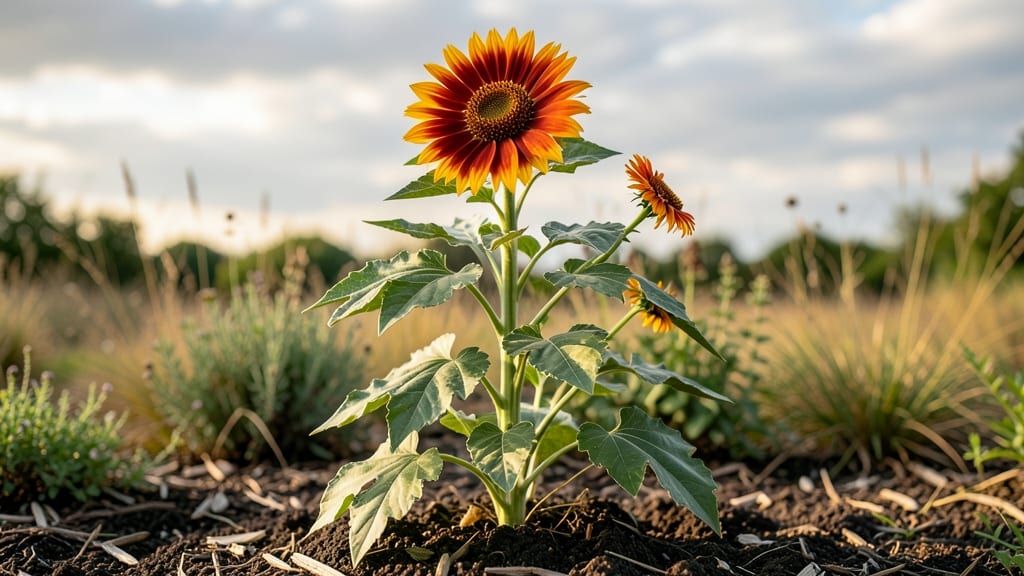
Growing the largest marigold flower varieties 🌼 can turn your garden into a showstopper, with blooms big enough to rival sunflowers.
If you’re dreaming of marigolds that make a bold statement—think vibrant blooms the size of dinner plates—these giant varieties will leave your neighbors in awe. Some marigolds can reach 8+ inches in diameter, transforming borders, containers, and cut flower arrangements into eye-catching masterpieces.
But here’s the catch: not all marigolds are created equal. The key to monster-sized blooms lies in choosing the right varieties—like 'Crackerjack' or 'Bonanza'—and giving them the perfect growing conditions. Too little sunlight, poor soil, or overcrowding can stunt their growth, leaving you with underwhelming flowers instead.
In this guide, I’ll walk you through the top giant marigold varieties, the exact care they need to thrive, and the pro tips that’ll have your flowers reaching their full potential—so you can enjoy those jaw-dropping blooms all season long.
Top 5 giant marigold varieties with 8+ inch blooms
If you love marigolds but wish they came in dinner-plate sizes, you're in luck! These giant marigold varieties can produce blooms 8+ inches wide, making them perfect for bold garden statements.
Whether you're growing for cut flowers, pollinator gardens, or dramatic borders, these varieties deliver vibrant color and massive blooms that turn heads. The key to their success? Full sun, rich soil, and proper spacing—let’s dive into the top performers!
Most gardeners overlook marigolds as mere pest-repellent border plants, but these oversized cultivars prove they can be stunning focal points. With double blooms, rich hues, and sturdy stems, they’re ideal for flower arrangements, container gardens, and even wedding bouquets.
The secret to their monster-sized flowers lies in their genetics and growing conditions—we’ll cover both in this guide.
'Petite Pumpkin' is a fan favorite for its pumpkin-shaped blooms that reach 8-10 inches wide. These golden-orange marigolds thrive in containers and cut flower gardens, thanks to their compact, bushy growth. To maximize their size, plant them in well-draining soil and space them 12-18 inches apart.
Their double blooms make them perfect for wedding bouquets or summer centerpieces—just pinch back early shoots to encourage larger, fewer flowers instead of many small ones.
'Crackerjack' is the king of marigold size, with blooms that can top 12 inches in diameter. This variety features striking orange and mahogany hues and sturdy stems that hold up well in cut arrangements.
For maximum bloom size, grow them in full sun and fertilize with a balanced 10-10-10 mix every 4-6 weeks. Their tall, upright habit makes them ideal for back-of-border plantings or pollinator-friendly hedges—just watch for powdery mildew in humid climates by ensuring good air circulation.
'Jumbo' lives up to its name with golden-yellow blooms that can reach 12 inches across. These marigolds are drought-tolerant once established, making them low-maintenance stars for xeric gardens or wildflower meadows.
To encourage larger blooms, deadhead spent flowers regularly and avoid overcrowding—space plants 18-24 inches apart. Their spreading habit also makes them great for ground cover in
How to grow monster-sized marigold flowers: pro tips for larger blooms
To grow marigolds with blooms big enough to rival sunflowers, start by choosing the right varieties like 'Crackerjack' or 'Bonanza'—these are bred specifically for their 8+ inch blooms.
The secret to their size isn’t just genetics, though. It’s about creating the perfect growing conditions that encourage robust growth and abundant flowering.
First, focus on soil preparation. Giant marigolds thrive in well-draining, nutrient-rich soil with a pH between 6.0 and 7.0. Amend your garden beds with compost or aged manure to provide the organic matter they crave. Avoid heavy clay soils, which can stunt root development and lead to smaller blooms.
⚠️ callout tip
Space your giant marigolds 18-24 inches apart to prevent overcrowding. This allows each plant to access sunlight and nutrients without competing, resulting in blooms that can reach 10+ inches in diameter. Overcrowding triggers smaller flowers as plants fight for resources.
Next, give your marigolds the full sun they demand. Aim for at least 6-8 hours of direct sunlight daily. Morning sun is ideal because it prevents afternoon wilting, especially in hot climates. If you’re growing in containers, place them in the sunniest spot on your patio or balcony.
Watering is another critical factor. While marigolds are drought-tolerant once established, consistent moisture is key during their first 6 weeks of growth. Water deeply once a week, ensuring the soil stays moist but not soggy.
Overwatering can lead to fungal diseases, which weaken plants and reduce bloom size. Always water at the base of the plant to keep foliage dry.
Feed your giant marigolds with a balanced fertilizer (like 5-10-10) every 4-6 weeks during the growing season. Start fertilizing when plants are 6 inches tall and continue until mid-summer.
Avoid high-nitrogen fertilizers, which promote leafy growth at the expense of blooms. Instead, opt for a phosphorus-rich formula to encourage larger, more vibrant flowers.
Pruning plays a surprising role in bloom size. Deadhead spent blooms regularly to redirect energy into producing new flowers. Additionally, pinch back the tips of young plants to encourage bushier growth and more blooms.
This technique works best when plants are 4-6 inches tall and should be done in the morning to allow wounds to heal quickly.