
Shrubs
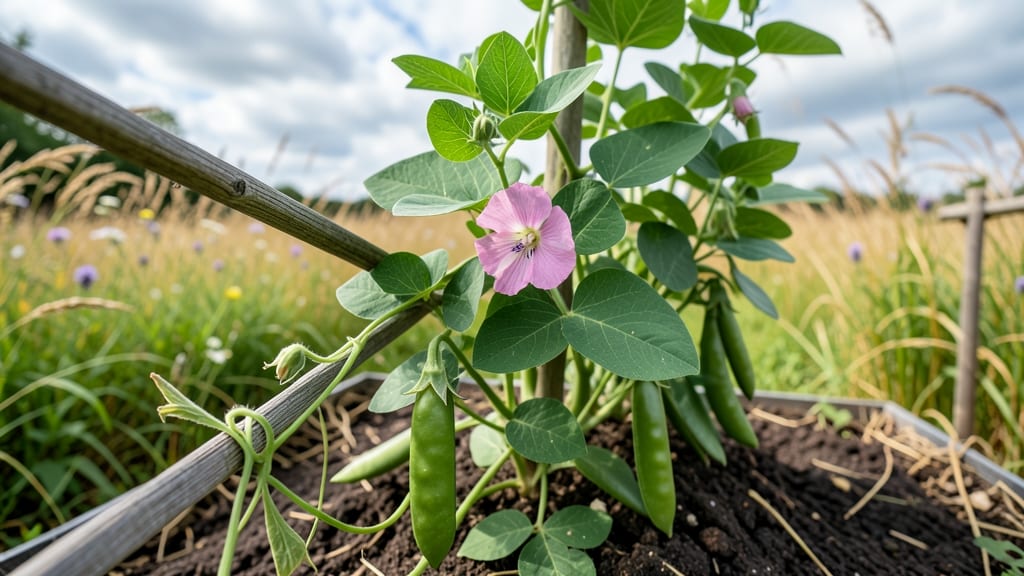
Growing a pink flowering peach tree means waking up to clouds of blush-pink blossoms every spring—but only if you nail the care details.
Imagine a backyard bursting with delicate pink blossoms year after year—pink flowering peach trees aren’t just stunning; they’re a gardener’s dream for seasonal color and fruit potential. But their vibrant blooms require strategic care to thrive beyond just one spectacular spring.
In USDA Zone 6a, timing is everything: plant your 🍑 in April or May, after the last frost, and give it full sun to fuel those showstopping flowers.
Skip the guesswork with my step-by-step guide on soil prep, spacing, and the pruning schedule that keeps blooms coming back bigger each year.
From troubleshooting blooming failures to fending off pests, you’ll learn how to turn your peach tree into a year-round showstopper—without the stress.
How to choose and plant pink flowering peach trees for maximum blooms
Pink flowering peach trees like Prunus persica 'Bonanza Pink' bring breathtaking spring color to any landscape. Their delicate pink blossoms and potential for fruit make them a favorite, but selecting the right variety and planting correctly is key to ensuring year-round blooms.
I’ve learned that site selection and soil preparation are just as important as the planting process itself.
Before you plant, consider your USDA hardiness zone—pink flowering peaches thrive in zones 5-9. They need well-draining soil with a pH between 6.0 and 7.0 to prevent root rot.
If your soil is heavy clay, amending it with compost or sand will improve drainage and encourage healthier root growth. Full sun exposure (at least 6-8 hours daily) is non-negotiable for maximum blooms.
Now, let’s dive into the planting process with these step-by-step instructions to ensure your pink flowering peach tree gets off to a strong start.
Step-by-Step Planting Guide
-
Step 1: Choose the Right Variety
Opt for dwarf or semi-dwarf varieties like 'Bonanza Pink' if space is limited. Standard varieties grow 15-25 feet tall and need ample room.
-
Step 2: Pick the Perfect Location
Select a spot with full sun exposure and shelter from strong winds. Avoid low-lying areas where cold air settles.
-
Step 3: Prepare the Soil
Test your soil’s pH and amend with compost or organic matter to improve fertility. Dig a hole twice as wide as the root ball but only as deep.
-
Step 4: Plant at the Right Time
Plant bare-root trees in early spring (after the last frost) or container-grown trees in fall. Never plant when the ground is frozen.
-
Step 5: Position the Tree Correctly
Place the tree so the graft union (visible bump) is 2-3 inches above soil level. This prevents root rot and ensures proper growth.
-
Step 6: Backfill and Water
Fill the hole with soil, tamping gently to remove air pockets. Water deeply to settle the soil and provide 20 liters of water immediately after planting.
-
Step 7: Mulch and Stake
Apply 3-4 inches of mulch around the base (keep it 6 inches away from the trunk) to retain moisture. Stake if needed to support young trees.
One of the most common mistakes I’ve seen is planting too deep, which can suffocate the roots and lead to poor growth. Always ensure the root flare is visible above the soil line.
Another mistake is overwatering immediately after planting, which can drown the roots. Instead, water deeply but infrequently to encourage strong root development.
After planting, monitor your tree closely for the first two growing seasons. Young trees are vulnerable to drought stress and pest infestations. I recommend applying a balanced fertilizer (10-10-10) in early spring to support new growth and blooms.
Avoid heavy fertilizers late in the season, as this can stimulate tender new growth that won’t survive winter.
Pink flowering peach trees reward patience and care with stunning spring blooms and potential fruit harvests. By following these steps, you’ll set your tree up for success and enjoy vibrant pink flowers for years to come.
The key is consistent care—from planting to pruning—and avoiding common pitfalls like improper watering or poor soil conditions.
Once your tree is established, focus on seasonal maintenance, including pruning to improve airflow and reduce disease risk. With the right variety, location, and care, your pink flowering peach tree will become the showstopper of your garden. 🌷🌳🍑
Seasonal care calendar: pruning, fertilizing, and winter protection for pink flowering peach trees
Your pink flowering peach tree’s stunning blooms don’t happen by accident—they’re the result of precise seasonal care. From late winter pruning to winter frost protection, each step ensures your tree stays healthy and produces those dreamy pink blossoms year after year.
Let’s break down the month-by-month tasks to keep your tree thriving.
Timing is critical for pink peach trees. Prune at the right time to avoid cutting off next year’s flower buds, and fertilize strategically to support both blooms and fruit.
Winter prep is equally important—mulching and wrapping young trees protects them from harsh USDA Zone 6a winters, ensuring they bounce back stronger in spring.
| Season | Task | Details | Frequency |
|---|---|---|---|
| Late Winter | Prune | Remove dead/diseased wood; thin branches for airflow. Avoid heavy pruning. | Once |
| Early Spring | Fertilize | Apply 10-10-10 balanced fertilizer. Use 1 cup per 10 sqft. | Once |
| Spring | Water | Deep soak weekly. Keep soil moist but not soggy. | Weekly |
| Summer | Light Fertilize | Apply half-strength fertilizer to support fruit development. | Every 6 weeks |
| Fall | Mulch | Add 3-4 inches of mulch. Avoid touching trunk. | Once |
| Winter | Protect | Wrap young trees in burlap. Add extra mulch for insulation. | Once |
Start your seasonal care in late winter with pruning. Remove any dead or crossing branches to improve airflow and reduce disease risk. Focus on shaping the tree while preserving next year’s flower buds, which form on one-year-old wood.
Use sharp, clean pruners to make 45-degree cuts just above a bud.
Once spring arrives, fertilizing becomes key. Apply a balanced 10-10-10 fertilizer in early spring to kickstart growth. Follow up with a light feeding in summer to support fruit development.
Avoid over-fertilizing, which can lead to excessive leafy growth at the expense of blooms. Organic options like compost or fish emulsion work well too.
As temperatures drop, winter protection is essential. Mulch around the base of your tree with 3-4 inches of organic mulch, like straw or wood chips, to insulate roots. For young trees, wrap the trunk in burlap to shield it from harsh winds and frost.
This extra care ensures your tree survives winter and bursts into pink blossoms next spring.
Don’t forget to monitor your tree throughout the year. Adjust watering based on rainfall—deep watering once a week in spring and summer keeps roots healthy. In fall, reduce watering gradually to prepare the tree for dormancy.
With this seasonal routine, your pink flowering peach will reward you with vibrant blooms and a bountiful harvest for years to come.