
Flowers
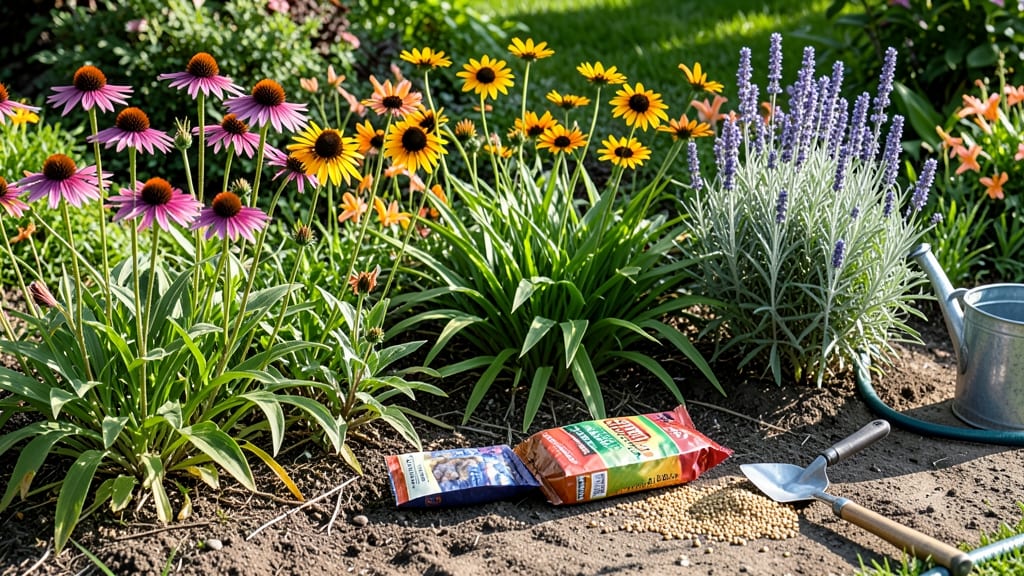
To fertilize flower beds at the right time means feeding them when they’re hungry—not when they’re already full.
Picture this: you’ve just planted your 🌸 flower beds in spring, and the soil looks rich, but six weeks later, the blooms are sparse. That’s not lazy gardening—it’s a missed fertilization window.
Too early, and you waste nutrients; too late, and your plants play catch-up. The secret? A schedule that matches your flowers’ natural growth cycles, not just the calendar.
Most gardeners overlook the fact that spring and fall are the prime feeding times, while summer and winter demand a lighter touch. Annuals like marigolds need frequent top-ups, while perennials like coneflowers thrive on a single boost in early spring.
I’ll break down the exact months to feed, what to avoid, and how to tell if your soil is begging for nutrients—or begging for a break.
By the end, you’ll know not just when to fertilize, but how much, what type, and the one trick that keeps your flower beds blooming like they’re in a botanical garden—not your backyard.
Best fertilization times by flower type and seasonal needs
Timing your flower bed fertilization is like scheduling a plant spa day—too early and you waste nutrients, too late and blooms suffer. The key lies in understanding your flower types (annuals vs perennials) and matching their needs to the season.
Annuals like marigolds or petunias crave frequent feeding, while perennials such as daylilies prefer spaced-out nourishment. Let’s break down the optimal fertilization windows by season and plant type to keep your garden thriving.
Spring is your root-boosting season—focus on early-season fertilizers like compost or balanced granules (10-10-10) to fuel new growth. Summer shifts to bloom-extension feeds, while fall offers a final root-strengthening opportunity before winter.
Each season demands a different approach, and skipping this rhythm can leave your flowers looking tired or sparse. Let’s dive into the science-backed schedule that’ll transform your garden.
For annual flowers, think of fertilization as a monthly maintenance ritual. Start with a balanced fertilizer at planting to kickstart growth, then switch to a low-nitrogen formula in summer to encourage blooming over leafy foliage.
My petunias always reward me with vibrant blooms when I follow this rule—skipping summer feeds leads to sparse, weak flowers by August. The secret? Phosphorus (the middle number in NPK) is your bloom buddy.
Perennials, on the other hand, thrive on seasonal patience. Early spring is their root-rebuilding phase—focus on organic matter like compost or well-rotted manure. I’ve seen daylilies double their bloom count just by adding compost in March.
Summer’s job is to support existing blooms with a light phosphorus boost, while fall’s final feed—rich in potassium—preps them for winter. Think of it as a three-act play: roots, blooms, then rest.
One common mistake I see is over-fertilizing in late summer. When temperatures soar, plants can’t absorb nutrients efficiently, leading to leaf burn or stunted growth. Instead, opt for a light feed in early summer and avoid anything after mid-August
Signs your flower beds need fertilizer (and when to skip it)
Your flower beds might be silently screaming for help—or begging for a break. The difference between nutrient deficiency and over-fertilization often comes down to leaf color, growth patterns, and soil texture.
I’ve seen gardeners dump fertilizer on wilting petunias because they assumed "more is better," only to watch their plants crisp at the edges. The truth? Your plants are either starving or overfed, and the signs are subtle but unmistakable once you know what to look for.
Start by checking for yellowing leaves, which often signal nitrogen deficiency, or purple stems, a classic sign of phosphorus hunger. But here’s the catch: these symptoms can also mimic underwatering or pest damage.
That’s why I always recommend a 3-step soil check before reaching for the fertilizer bag. Skip this step, and you risk turning your garden into a chemical wasteland where nothing blooms.
Never fertilize if your plants show these red flags:
- Leaf burn (brown, crispy edges) → Over-fertilized
- Wilting despite moist soil → Root stress
- New growth stops abruptly → Too much salt in soil
Wait until symptoms fade or soil tests clear before reapplying nutrients.
First, perform the finger test: Dig 2 inches into the soil. If it crumbles like dry cake, your plants need water and nutrients. If it’s slick and clumps together, it’s overwatered or over-fertilized.
Next, grab a handful of soil and smell it—rotten-egg odor means excess nitrogen, while a musty scent suggests fungal issues from too much moisture. Finally, check the pH level with a test kit; most flowers thrive at 6.0–7.0.
If your soil is off, fertilizing will do more harm than good.
Stunted growth is another clear signal your flower beds need fertilizer, but timing matters. If your perennials like coneflowers or daylilies aren’t rebounding after winter, feed them in early spring (March–April) with a balanced 10-10-10 fertilizer.
For annuals like marigolds or zinnias, a light feed every 4–6 weeks keeps blooms coming. The key? Feed when plants are actively growing, not during heatwaves or dormancy.
Over-fertilizing is just as damaging as neglect. I’ve seen petunia leaves curl and geraniums drop buds after a heavy dose of synthetic fertilizer in summer heat.
If you notice white crust on soil or burnt leaf tips, flush the soil with water and hold off on feeding for 6–8 weeks. Instead, focus on organic matter like compost or worm castings, which release nutrients slowly and improve soil structure.
Pro tip: Mulch heavily after fertilizing to lock in moisture and nutrients. A 2-inch layer of straw or shredded leaves reduces evaporation and prevents fertilizer from washing away. And remember—less is more. A little fertilizer goes a long way when applied correctly.
Start with half the recommended dose, monitor your plants for 2 weeks, and adjust as needed. Your flower beds will thank you with vibrant blooms and healthy foliage all season long. 🌸