
Flowers
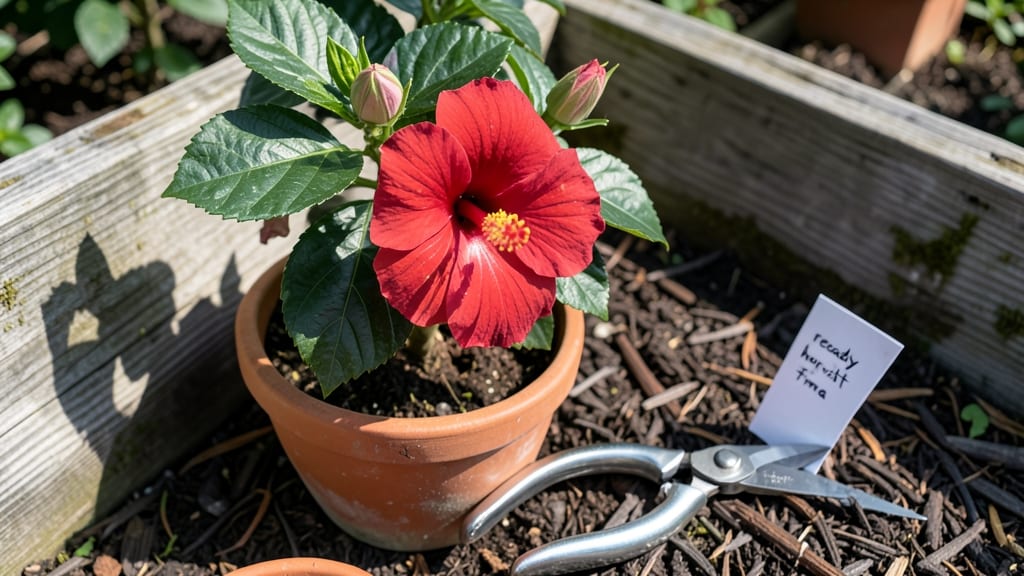
Harvest hibiscus flowers for tea when they're fully open and vibrant 🌸 — that’s the sweet spot for flavor and aroma.
Miss that window, and you risk a bitter brew or weak infusion. The difference between a bright, tangy tea and a disappointing sip often comes down to timing, weather, and how you handle the flowers after picking.
In zones like 6a, late summer through early fall (August to October) is prime harvest season. But even then, morning picks beat evening ones — dew can dull the flavor, while afternoon heat might stress the plant.
Below, I’ll break down the exact color cues, weather checks, and post-harvest steps to ensure your hibiscus tea shines. Ready to turn your garden into a cup? Let’s go.
Optimal hibiscus flower color stages for tea harvesting
Harvesting hibiscus flowers at the wrong stage can completely transform your tea's flavor profile. The color stage of your hibiscus blooms directly impacts the tannin levels, aroma intensity, and bitterness in your final brew.
Unlike many flowers, hibiscus tea benefits most from flowers that have reached their peak maturity but haven't begun to wilt. This delicate timing window is what separates a vibrant, tangy tea from one that's overly bitter or bland.
I've found that most gardeners make the mistake of harvesting too early—when flowers are still pink or just opening. These immature blooms contain higher levels of tannins, which translate to bitter tea with less fruity depth.
The sweet spot comes when hibiscus flowers have fully opened and developed their deepest color, typically a rich crimson or magenta, while still maintaining crisp petals. This stage ensures maximum anthocyanin content, the antioxidant pigments responsible for that signature hibiscus tang.
Let me walk you through each flower color phase and how it affects your tea's quality. Understanding these visual cues will help you time your harvests perfectly for maximum flavor and aromatic complexity.
The key is recognizing when each flower reaches its optimal harvest window—usually just 24-48 hours after fully opening.
| Flower Stage | Color Description | Flavor Profile | Harvest Timing | Visual Cues |
|---|---|---|---|---|
| Bud Stage | Tight green buds | No flavor (zero petals) | Not ready | 🌱 Compact, no petal separation |
| Early Pink | Light pink, partially open | Mild, slightly bitter | Avoid harvesting | 🌸 Petals curling outward |
| Mid-Red | Deepening red-pink | Balanced tartness | Marginally acceptable | 🌞 Petals fully extended |
| Peak Crimson | Vibrant deep red/magenta | Optimal tangy-sweet | Perfect harvest time | 🌿 Petals crisp, no wilting |
| Overripe | Dulling color, wilting | Bland, grassy notes | Avoid completely | 🌧️ Petals drooping |
The peak crimson stage is where hibiscus flowers deliver their best tea quality. At this point, the flowers have developed their maximum anthocyanin content, which gives your tea that signature bright red hue and tangy flavor.
The petals should be completely unfurled but still feel firm to the touch, not soft or mushy. This stage typically occurs when flowers have been open for about 24 hours in warm weather.
I recommend harvesting in the early morning when flowers have fully opened overnight. The morning light helps ensure you're picking flowers at their peak freshness. Avoid harvesting after midday, as flowers begin to wilt and lose their aromatic compounds more quickly in the heat.
The temperature difference between morning and afternoon can significantly impact your tea's flavor profile.
One common mistake I see is harvesting flowers that have darkened too much. While deep color might seem ideal, overripe hibiscus flowers develop grassy, bitter notes in your tea. These flowers often have dulling petals and may even begin to curl at the edges.
The key is to harvest when the color is vibrant but not fading—this balance gives you the perfect tartness without the bitter aftertaste.
For red hibiscus varieties, aim for flowers that are deep magenta with no green tinges remaining. With pink varieties, look for flowers that have fully deepened to their richest hue—typically a vibrant fuchsia.
The color saturation is your best indicator that the flower has reached its optimal flavor stage. I've found that white hibiscus varieties are particularly sensitive to timing, as they develop their best flavor when they've just begun to show pale yellow tinges at their centers.
Pro tip: If you're unsure whether a flower is ready, do a quick petal test. Gently pinch a petal—if it snaps cleanly and doesn't tear, the flower is at peak harvest time.
If the petal feels leathery or begins to tear, it's past its prime. This simple test has saved me from harvesting overripe flowers that would have ruined an entire batch of tea.
Remember that weather conditions can affect flower development. In hot climates, flowers may mature more quickly and wilt faster, while cooler weather can slow the process. Always adjust your harvesting schedule based on your
Flavor & nutrient test: how to confirm hibiscus flowers are ready
To guarantee your hibiscus tea has that bright, tangy flavor, you need more than just color cues. A flavor and nutrient test ensures you’re picking flowers at their absolute peak.
Start with a simple taste test—fully open flowers should taste mildly sweet with a hint of tartness when chewed lightly. If they’re bitter or bland, they’re not ready yet.
Next, check the anthocyanin levels—the pigments that give hibiscus its deep color. Flowers with intense red or pink hues have higher anthocyanins, which boost tea’s antioxidant properties.
Use a pH strip test on the flower’s nectar: ideal pH for tea is between 5.5 and 6.5. Below that, flavor weakens; above, it becomes overly acidic.
Here’s the texture check: Petals should feel crisp but not brittle. Gently rub a petal between your fingers—it should crumble slightly but not stick to your skin. Overly soft petals mean the flower is past its prime, while dry, papery ones haven’t reached peak flavor yet.
✅ Ready-to-Harvest Hibiscus Flowers
- Color: Vibrant red/pink, fully open
- Taste: Mildly sweet-tart when chewed
- Texture: Crisp petals, no stickiness
- pH: 5.5–6.5 (nectar test)
- Time: Morning after dew dries
🌸 Harvest these for the best tea flavor and nutrient profile.
Don’t overlook the stem condition. The best stems are firm and green, not woody or yellowing. Snap a stem—it should break cleanly, not bend or feel mushy. Woody stems indicate an older flower, while mushy ones signal overripeness, both of which compromise tea quality.
Finally, perform a weather check before harvesting. Avoid picking after heavy rain or in humid conditions, as moisture dilutes flavor. Early mornings (after dew evaporates) are ideal—flowers are fully hydrated but haven’t been stressed by afternoon heat.
With these tests, you’ll consistently harvest hibiscus flowers at their nutrient and flavor peak, ensuring every cup of tea is a standout. Now, grab your pruners and get ready to brew! ☀️