
Flowers
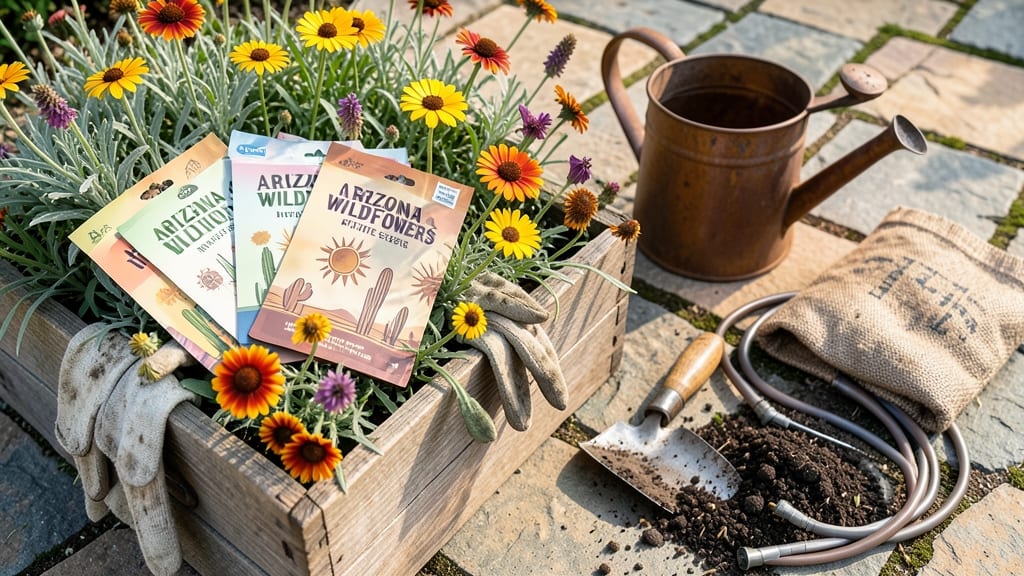
Planting flowers in Arizona at the right time means the difference between a thriving garden and a sad investment in the desert sun 🌸.
Arizona’s extreme heat and unpredictable monsoons make timing your flower planting critical—get it wrong, and your blooms may never take root. But with the right schedule, you can enjoy vibrant gardens year-round, even in the desert.
Most gardeners in USDA zones 9b-11 focus on fall planting, when temperatures drop and soil stays moist longer. This is your best shot at establishing roots before summer’s brutal heat arrives.
Below, I break down the exact months to plant annuals, perennials, and bulbs—plus the top 5 flowers that thrive in Arizona’s climate without extra fuss.
Arizona flower planting calendar: month-by-month desert gardening guide
Arizona’s desert climate offers year-round gardening opportunities for flowers, but timing is everything. Unlike traditional planting seasons, Arizona’s microclimates—from Phoenix’s scorching low desert to Flagstaff’s cooler high desert—require tailored schedules. The key is planting when soil temps cool and humidity rises, typically during fall and winter months.
This avoids the brutal summer heat where seedlings often wilt or fail to establish.
Your planting window depends on elevation: Low Desert (Phoenix/Tucson) can handle spring planting for heat-tolerant varieties, while High Desert (Flagstaff) may see earlier frosts requiring earlier starts.
Native Arizona flowers like desert marigold and blanket flower thrive when planted in September-October, while cool-season annuals like pansies wait until November. Let’s break it down month-by-month for your zone.
🌱 Visual Guide: Arizona Flower Planting Calendar
September through November is your golden window for planting in Arizona’s Low Desert. This is when soil temperatures
Best flowers to plant in Arizona’s harsh climate (heat-tolerant varieties)
Arizona’s scorching summers and alkaline soil can make gardening a challenge, but the right heat-tolerant flowers thrive here with minimal fuss. These varieties handle 110°F+ temperatures and drought conditions while still delivering stunning blooms.
My top picks focus on low-water needs and full-sun tolerance—perfect for Arizona’s USDA Zones 9b-11.
When selecting flowers, prioritize native species or adapted varieties like desert marigold and blanket flower. These plants have evolved to survive Arizona’s extremes, requiring little to no irrigation once established. Always plant during cooler months (September-March) to avoid transplant shock during peak heat.
Start with Arizona poppy (Eschscholzia californica), the state’s official wildflower. It blooms prolifically in spring and fall with zero watering once established. For year-round color, bougainvillea delivers vibrant purple-pink blooms that love full sun and heat. Plant it in well-draining containers to prevent root rot from occasional monsoon downpours.
My top 3 drought-proof picks for Arizona gardens are desert marigold (Baileya multiradiata), blanket flower (Gaillardia), and blackfoot daisy (Melampodium leucanthum). All three require less than 1 inch of water per month after establishment and attract pollinators like bees and butterflies.
For shade-tolerant options, consider Mexican bush sage (Salvia leucantha), which thrives in partial shade and 100°F+ temperatures.
When planting, amend alkaline desert soil with compost or gypsum to improve drainage. Space plants 12-18 inches apart to allow airflow and prevent fungal diseases. Always water deeply but infrequently—aim for 1-2 gallons per plant every 7-14 days during establishment, then taper off completely once roots are established.
For container gardening, choose heat-tolerant annuals like celosia or portulaca, which handle intense sunlight and container drying. Place pots in morning sun to avoid afternoon heat stress. Mulch with gravel or straw to retain moisture and suppress weeds—critical in Arizona’s low-humidity climate.
With these heat-resistant varieties and proper planting techniques, your Arizona garden can burst with color even during the hottest months. Focus on native plants and minimal watering to create a sustainable, low-maintenance oasis that thrives in 110°F+ heat.