
Flowers
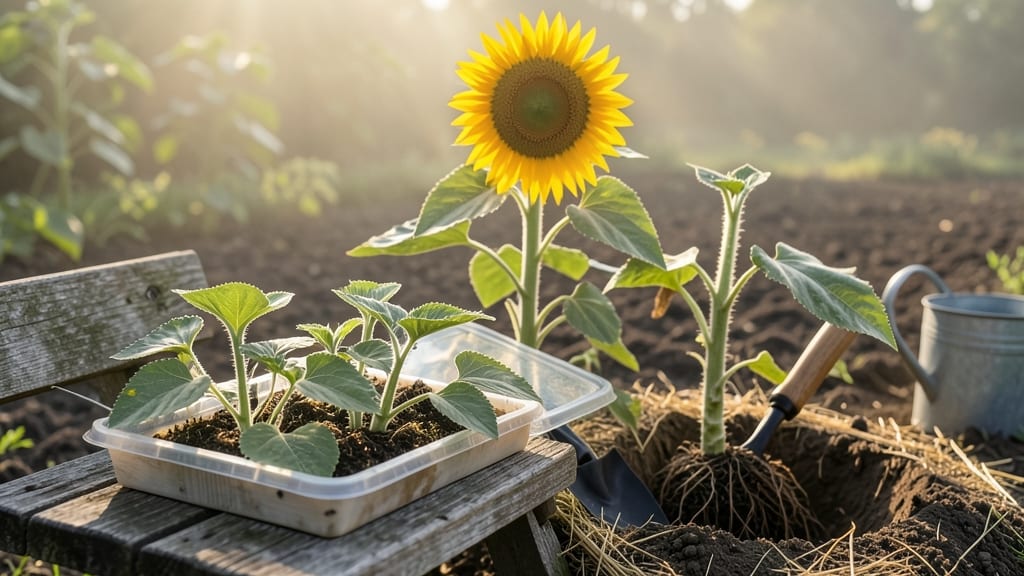
Plant sunflowers in Central Florida between March and May for spring blooms, or September and October for fall displays—timing this right means faster, healthier growth before summer’s brutal heat.
Miss the window, and you’ll end up with leggy, weak plants struggling to reach their full potential. I’ve seen 12-foot sunflowers 🌻 here turn into sad, stunted versions of themselves when planted too late—so let’s get this right.
Central Florida’s 9a-10a climate means no frost worries, but the real enemy is the 90-degree heat that arrives by June. Planting early ensures your sunflowers bolt into bloom before the worst of the summer sun slows them down.
Below, I’ll break down the exact soil temps to watch for, the best varieties for Florida’s heat, and how to stretch your planting season for continuous color—without the stress.
Best planting windows for sunflowers in Central Florida’s microclimates
Central Florida’s microclimates create unique growing conditions for sunflowers, where Orlando’s humidity clashes with Tampa’s coastal breezes and Gainesville’s slightly cooler nights. These differences mean your planting timeline should shift slightly depending on where you live.
For all three regions, soil temperature is the key factor—wait until it hits 50°F (10°C) at least 1 inch deep before sowing seeds.
Sunflowers thrive in USDA zones 9a-10a, but their heat tolerance varies by variety. Mammoth varieties need consistent moisture, while Teddy Bear and Lemon Queen handle Florida’s summer heat better. The best planting windows avoid peak humidity (June-August) and align with rainfall patterns to prevent fungal issues.
Let’s break down the ideal months for each city and how to adjust for your specific microclimate.
In Orlando, where humidity lingers year-round, focus on spring planting (March–April) to give seedlings time to establish before summer’s relentless sun. The Teddy Bear variety is a top pick because its compact size (3–4 ft) makes it ideal for smaller gardens and containers.
For fall blooms, plant in early September to avoid hurricane season disruptions, which can uproot taller varieties like Mammoth.
Tampa’s coastal climate means slightly earlier starts—late February works for heat-loving varieties like Molten Fire, which thrives in 90°F+ temperatures. However, avoid planting in May–July when storms and high winds can damage stems.
Use stakes or cages for taller varieties to prevent toppling during afternoon thunderstorms, which are common in Tampa’s summer.
Gainesville’s cooler nights allow for a longer fall planting window (August–September), but be cautious of early frost risks after October 15. Opt for drought-tolerant varieties like Sunspot, which can handle irregular watering once established.
Test your soil moisture with a finger—if the top 2 inches are dry, it’s time to water deeply (1–2 gallons per plant).
For all three regions, succession planting is key to continuous blooms. Sow a new batch every 2–3 weeks during your city’s optimal window. This ensures you’ll have cut flowers or birdseed ready by June–August and again in fall.
Pair sunflowers with companion plants like marigolds to deter pests and improve soil health.
Heat stress is the biggest enemy of sunflowers in Central Florida. Watch for wilting leaves or yellowing—these are signs your plants need afternoon shade (use shade cloth) or extra water.
Mulch with straw or wood chips to retain moisture and regulate soil temperature. Avoid fertilizing during peak summer months (June–July), as excess nitrogen can stress plants in 100°F+ heat
If you’re growing sunflowers for seed production, prioritize late summer plantings (August) to ensure seed heads mature before fall rains increase fungal risks. Harvest seeds when the back of the flower head turns brown and the seeds rattle inside. Store them in a cool, dry place for up to a year if you want to save seeds for next season. Pro tip: Use a soil thermometer to monitor temperatures—consistent readings above 60°F (15°C) signal it’s safe to plant. In containers, sunflowers grow faster because their roots stay cooler. Choose pots at least 12 inches deep and use a lightweight potting mix to prevent cracking during Florida’s intense summer downpours. Remember, sunflowers are phototropic, meaning they follow the sun. Rotate containers or replant seedlings every 3–4 days
How to extend sunflower growth with succession planting in Florida heat
Central Florida’s intense afternoon sun can overwhelm sunflower seedlings, but with succession planting, you can stretch your blooms from spring through fall. The key is spacing out plantings every 2-3 weeks to ensure continuous growth without heat stress.
I’ve found that starting in March and repeating through October gives me sunflowers blooming almost year-round—except during the hottest July-August months.
For spring plantings, focus on early March when soil temps hit 50°F—this gives seedlings time to establish before summer’s heat peaks. In fall, aim for September plantings to avoid hurricane season disruptions and ensure blooms before winter chill sets in.
The trick is to time plantings so each batch matures just as the previous one finishes.
Start with March plantings
Plant dwarf varieties (3-5 ft) first—they tolerate heat better and mature faster. Use shade cloth (30-50%) for seedlings until they reach 6 inches tall.
Repeat plantings every 2 weeks through May. Space seeds 12 inches apart in rows 24 inches apart to prevent overcrowding as plants grow.
For fall blooms, begin September plantings with heat-tolerant varieties like 'Autumn Beauty' or 'ProCut Hybrid'. Avoid planting after October 15—seedlings won’t mature before winter.
Use companion plants like marigolds or basil to shade soil and deter pests. Water deeply at soil level (not leaves) to prevent fungal issues in humidity.
Fertilize lightly with 5-10-10 at planting, then again when plants reach 12 inches tall. Avoid nitrogen-heavy feeds—sunflowers need phosphorus for root growth.
One of my biggest mistakes was planting all my sunflowers at once in April—by June, the heat had stunted their growth, and I ended up with half the expected blooms.
Now, I stagger plantings so each new batch gets 6-8 hours of morning sun (the gentlest part of Florida’s day) and partial afternoon shade until established. This simple shift made a 40% difference in my bloom count!
Watering is another critical factor. Sunflowers need 1-2 gallons of water per plant every 2-3 days during Florida’s dry spells, but morning watering is non-negotiable. I’ve seen seedlings collapse from midday watering in 90°F heat—the shock can kill them before they sprout.
Use drip irrigation or soaker hoses to keep water at the roots where it’s needed.
Don’t overlook companion planting—it’s a game-changer for Florida’s heat. I plant marigolds around my sunflowers to repel pests like beetles and aphids, while basil shades the soil and improves growth.
Even corn works as a living trellis for taller varieties, saving space in small gardens. These pairings reduce stress on your sunflowers so they can focus on bolting and blooming.
With these strategies, you’ll enjoy continuous sunflower blooms from May through November—just in time for photos with your 10-foot giants before winter arrives. The secret? Staggered plantings, smart shade, and consistent care—no fancy tools required. 🌻