
Flowers
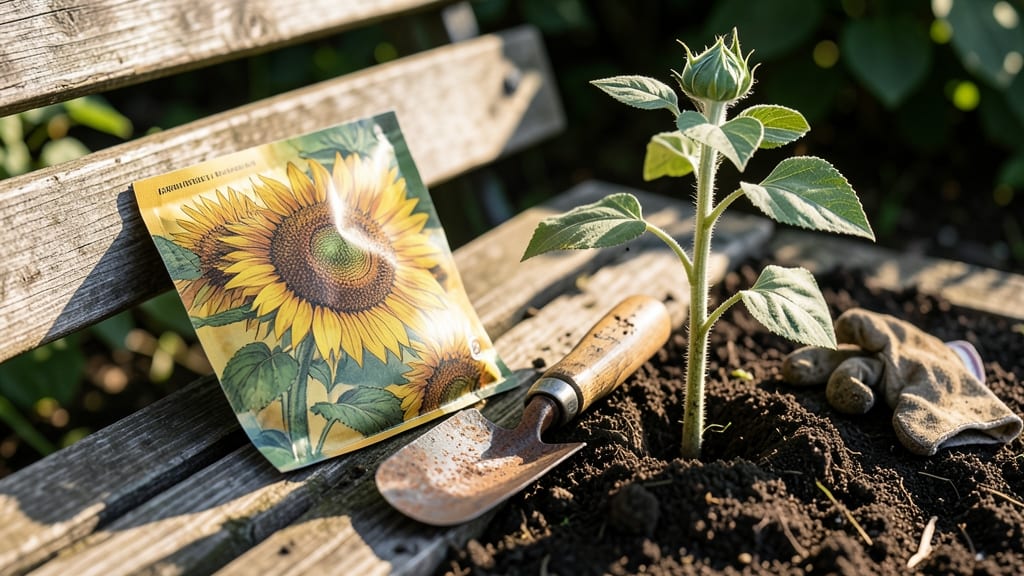
Planting sunflowers in Southern California at the right time means the difference between fast germination and towering blooms or a sad, leggy mess that bolts before it even opens.
You’ve got a narrow window to nail it—too early, and the heat will send your seeds into a frenzy, producing skinny stems and early flowers. Too late, and you’ll miss the iconic summer displays that make your garden the talk of the neighborhood.
Here’s how to time it perfectly for your microclimate, whether you’re near the coast or tucked into the inland valleys.
Most gardeners in USDA zones 9b–11 (that’s coastal 10a and inland 9b–10b) should aim for two key planting periods: late winter to early spring for spring blooms or late summer to early fall for fall harvests.
But the real secret? Waiting until the soil hits 60°F+—any earlier, and you’re rolling the dice on slow starts or stunted growth.
Below, I’ll break down the exact months by region, how to adjust for heat-tolerant varieties, and the three-step checklist to keep your sunflowers thriving from seed to those jaw-dropping 12-foot stalks you’ve been dreaming of.
Best planting months for sunflowers in Southern California’s microclimates
Southern California’s diverse microclimates create three distinct zones for sunflower planting: coastal, inland valleys, and desert-adjacent areas. Each requires different timing to avoid bolting (premature flowering) or stunted growth.
Coastal areas like Malibu or San Diego stay mild year-round, while inland Los Angeles or Riverside experience hotter summers and cooler winters. Desert-adjacent zones like Palm Springs demand heat-tolerant varieties.
For fast germination, aim for soil temperatures of 60°F+ in spring or 70°F+ in fall. Use a soil thermometer—cooler coastal soils may need black plastic mulch to warm up faster.
Inland zones can plant earlier, but desert areas should wait until April or September to avoid extreme heat stress on seedlings.
Coastal regions (USDA Zone 10a) have the longest growing season, allowing year-round planting with minimal frost risk. Inland valleys (Zones 9b–10b) should focus on February–March for spring blooms and August–September for fall displays. Desert-adjacent areas (Zones 9a–10a) thrive with late spring or early fall plantings to escape summer’s peak heat.
| Region | Best Planting Window | Soil Temp Trigger | Heat-Tolerant Varieties | Bloom Time |
|---|---|---|---|---|
| Coastal (Malibu, San Diego) | Jan–March, Aug–Oct | 60°F+ (spring/fall) | 'Teddy Bear', 'Moulin Rouge' | April–June, Sept–Nov |
| Inland Valleys (LA, Riverside) | Feb–March, Aug–Sept | 65°F+ (spring), 75°F+ (fall) | 'Autumn Beauty', 'ProCut' | May–July, Oct–Dec |
| Desert-Adjacent (Palm Springs) | Late April, Sept–Oct | 75°F+ (avoid 100°F+) | 'Heatwave', 'Russian Giant' | June–Aug, Nov |
In coastal zones, start seeds indoors 6–8 weeks before your target outdoor date to extend the season. Use biodegradable pots to transplant seedlings without disturbing roots. Inland gardeners can direct-sow after the last light frost risk (usually by February).
For desert areas, opt for heat-tolerant varieties like 'Heatwave'—they germinate faster in warm soils and handle 100°F+ temperatures better than standard types.
Soil preparation is critical. Southern California’s soils are often alkaline and sandy, which can stunt sunflower growth. Amend with compost or aged manure to improve drainage and fertility.
Test your soil’s pH—sunflowers prefer 6.0–7.0. If your soil tests above 7.5, mix in sulfur or peat moss to lower pH before planting.
Watering strategies vary by microclimate. Coastal areas need consistent moisture but avoid soggy soil—sunflowers hate root rot. Inland zones require deep watering every 3–5 days during dry spells, while desert plantings need daily watering until established (then taper to every 5–7 days).
Always water at the base of the plant to prevent fungal diseases like powdery mildew, which thrives in Southern California’s humid summers.
For fall blooms, plant in late summer (August–September) to take advantage of cooler temperatures. Choose varieties like 'Autumn Beauty'—they handle slight temperature drops and produce vibrant flowers before winter sets in.
In desert areas, a light shade cloth (30–50%) can protect seedlings from intense afternoon sun during April plantings. Remove the cloth as plants mature to ensure full sun exposure for robust growth.
Monitor your sunflowers for heat stress signs like yellowing leaves or wilting, especially in inland and desert zones. If temperatures exceed 95°F, provide afternoon shade with shade cloth or row covers.
Mulch with straw or wood chips to retain soil moisture and regulate temperature. This is especially important for giant varieties like 'Russian Giant', which need consistent moisture to reach their full height.
Harvest time arrives 60–90 days after planting, depending on the variety. Coastal sunflowers often bloom in April–June, while inland varieties peak in May–July. Desert plantings may not flower until June–August due to delayed growth.
To maximize seed production, leave some seed heads on the plant until they turn brown and papery. Cut stems 1–2 inches above the head and hang them upside down in a dry, well-ventilated space to dry completely.
With the right timing and care, your sunflowers will reward you with towering blooms that attract pollinators and add drama to your garden. Whether you’re in cool coastal Santa Barbara or the scorching Coachella Valley, these tips ensure your sunflowers thrive year-round in Southern California’s unique microclimates. 🌻
How to adjust planting time for sunflower variety and bloom goals
Your sunflower dreams hinge on two critical factors: the type of sunflower you’re growing and when you want those iconic blooms to appear.
In Southern California, dwarf varieties like 'Teddy Bear' can handle our heat spikes better than giant varieties like 'Mammoth'—but they’ll still need precise timing to avoid wilting before they flower. For early summer blooms, aim for late winter planting, while fall harvests require late summer sowing.
Here’s the game-changer: Heat-tolerant varieties (like 'Autumn Beauty') can handle 90°F+ days without bolting, while tall varieties need cooler soil temps (60°F+) to develop sturdy stems. If you’re in inland valleys, push planting to March or August to avoid the brutal summer heat.
Coastal gardeners? You’ve got more flexibility—February or September works perfectly.
3 Key Adjustments for Southern California Sunflowers
- 1. Plant dwarf varieties 2–4 weeks earlier than tall ones to avoid heat stress during critical growth stages. Example: Sow 'Little Becka' in February for spring blooms, but wait until March for 'Russian Giant'.
- 2. Adjust for bloom goals: For early summer blooms, plant in late winter (Feb–March); for fall harvests, sow in late summer (Aug–Sept). Fall-planted sunflowers need 70°F+ soil to germinate reliably.
- 3. Use shade cloth for heat spikes if planting in June–July. Cover seedlings with 30–50% shade for 2–3 weeks to prevent leaf scorch, then remove once stems are 6 inches tall.
Let’s talk fall harvests, because they’re often overlooked. If you want sunflower seeds for bird feeders or winter snacks, plant in late August—this gives them time to mature before cooler temps slow growth.
Just be warned: Giant varieties may struggle in fall if nights dip below 55°F. In that case, opt for medium-height types like 'ProCut' (5–6 feet tall) for reliable seed production.
Pro tip: Succession planting is your secret weapon. In Southern California, you can squeeze in two harvests per year by sowing half your seeds in February and the other half in August.
Space them 10–14 days apart to ensure a continuous display of blooms from April through November. Just remember—tall varieties need 36-inch spacing, while dwarfs can huddle 12 inches apart.
Don’t forget about soil prep, especially if you’re in alkaline-heavy inland areas. Mix in compost or peat moss to lower pH slightly, and add a slow-release fertilizer at planting. This gives your sunflowers the phosphorus boost they need for strong roots and massive blooms.
For container growing, use a large pot (12+ inches deep) with well-draining soil—just be ready to water daily in summer.
Your 3-step checklist to extend the growing season:
- Test soil temp with a thermometer—wait until it hits 60°F+ (spring) or 70°F+ (fall).
- Choose heat-tolerant varieties for summer planting (e.g., 'Autumn Beauty' or 'Moulin Rouge').
- Mulch heavily with straw or wood chips to retain moisture and keep roots cool. 🌻