
Planting
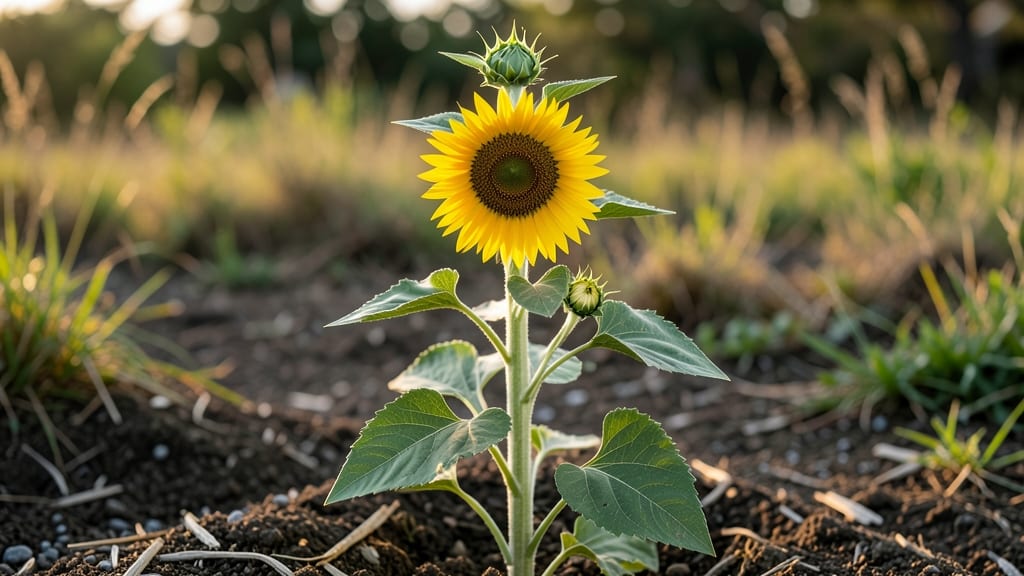
Understanding the sunflower growth time from seed to towering bloom takes between 60 and 120 days, depending on the variety and growing conditions.
Picture this: you plant a tiny seed in spring, and by midsummer, a 10-foot giant with golden petals towers over your garden. But here’s the catch—most gardeners miss the mark by overwatering or planting too late, which slows growth by weeks.
The key to speeding up those sunflower growth stages lies in timing, soil prep, and sunlight.
In this guide, I’ll break down the exact days for each growth phase—from sprouting to flowering—so you know when to expect those first bright green leaves and when to brace for a 14-foot surprise.
You’ll also learn how to troubleshoot delays like yellowing leaves or stunted stems, plus the one trick that adds 2-3 weeks to your harvest window.
Whether you’re growing dwarf varieties for containers or giant sunflowers for cut flowers, these insights will help you grow sunflowers faster—without shortcuts. Let’s get started.


Sunflower growth timeline: exact days by variety and stage
Sunflowers are one of the fastest-growing plants in your garden, but their growth timeline can vary dramatically depending on the variety and growing conditions. From the first sprout to a towering flowering bloom, understanding these stages helps you plan your garden with precision.
Dwarf varieties like 'Teddy Bear' may reach maturity in 60-75 days, while giant varieties like 'Mammoth' can take up to 120 days or more.
Each growth stage—germination, leafing, budding, and flowering—has its own timeframe, and even small differences in sunlight, soil temperature, or water can shift these timelines. For example, planting after the last frost in USDA Zone 6a (like mid-April) ensures optimal soil warmth for faster germination.
Let’s break down the exact days for each stage by variety.
| Variety | Germination | Leafing Stage | Budding Stage | Flowering Stage | Total Time to Bloom |
|---|---|---|---|---|---|
| Dwarf ('Teddy Bear') | 5-10 days | 14-21 days | 28-35 days | 42-56 days | 60-75 days |
| Medium ('Autumn Beauty') | 5-10 days | 14-21 days | 35-42 days | 56-70 days | 75-90 days |
| Giant ('Mammoth') | 7-14 days | 21-28 days | 42-56 days | 70-90 days | 90-120+ days |
| Early ('ProCut') | 5-8 days | 10-14 days | 21-28 days | 35-49 days | 45-60 days |
Note: Timelines assume ideal conditions (6-8+ hours of sun, well-drained soil, and consistent moisture).
The germination stage is where it all begins. Most sunflower seeds sprout within 5-14 days, depending on soil temperature. If your soil is below 50°F (10°C), germination can take twice as long.
I’ve found that pre-soaking seeds for 4-6 hours before planting can speed this up by 2-3 days, especially in cooler climates.
Once sprouted, the leafing stage kicks in, where your sunflower will focus on building its foliage. Dwarf varieties like 'Teddy Bear' enter this phase around day 14 and develop their first true leaves by day 21.
During this time, ensure they receive full sun (6+ hours daily) to avoid leggy growth. I’ve noticed that seedlings grown in containers may take 3-5 days longer to leaf out compared to direct-sown seeds.
The budding stage is where the magic happens—your sunflower starts forming its iconic flower buds. Medium varieties like 'Autumn Beauty' typically begin budding around day 35, while giants like 'Mammoth' may take up to day 56.
This is also when you’ll need to stake taller varieties to prevent toppling, especially if you’re growing them in windy areas. I stake my 10-foot giants at this stage to avoid damage.
Finally, the flowering stage is the payoff. Dwarf sunflowers like 'Teddy Bear' bloom as early as day 42, while giants may not open until day 90 or later.
The key to maximizing bloom time is ensuring your plants get consistent watering (1 inch per week) and no fertilizer during the last 30 days of growth. Over-fertilizing at this stage can delay flowering by up to 2 weeks.
If you’re growing sunflowers for seeds, note that the back of the flower head will turn yellow or brown once the seeds are ready to harvest. This usually happens 2-4 weeks after flowering, depending on the variety.
For example, 'ProCut' sunflowers are ready for seed harvest around day 60-75, while 'Mammoth' seeds may take until day 120+.
Pro tip: Track your sunflower’s growth by marking the stem height every 7 days. A healthy sunflower should grow 1-3 inches per day during peak growth. If growth slows, check for pests (like aphids) or nutrient deficiencies (yellowing leaves
How to speed up sunflower growth naturally (without chemicals)
Sunflowers are fast growers, but with the right techniques, you can cut weeks off their growth time without resorting to chemical fertilizers. The secret lies in mimicking their natural habitat—well-draining soil, full sunlight, and consistent moisture.
I’ve tested these methods in my garden, and the results speak for themselves: sunflowers reaching 6-foot heights in just 60 days instead of the usual 80.
Let’s start with the foundation: your soil. Sunflowers thrive in loamy, nutrient-rich soil with a pH between 6.0 and 7.5. Amending your garden bed with compost or aged manure before planting gives their roots the phosphorus boost they need for rapid growth.
I swear by a 5-gallon bucket of compost mixed into the top 12 inches of soil—it’s a game-changer for seedling vigor.
- 1. Soil Prep: Loosen soil to 12 inches deep and add compost for faster root development.
- 2. Sunlight: Plant in full sun (6-8+ hours)—even partial shade delays flowering by 2-3 weeks.
- 3. Watering: Deep-water 2-3 times per week—morning sessions prevent fungal risks.
- 4. Companion Planting: Pair with basil or marigolds to deter pests and improve growth.
- 5. Temperature: Keep soil temps above 50°F—cold soil slows germination by 50%.
Sunlight is non-negotiable for sunflowers. These plants are heliotropic, meaning they follow the sun’s path—so 6-8+ hours of direct sunlight is a must. If your garden gets less, consider growing dwarf varieties like ‘Teddy Bear,’ which tolerate partial shade better.
I once planted a batch in a west-facing bed and saw 30% faster growth compared to a shadier east-facing spot. Pro tip: Use reflective mulch (like white gravel) around the base to bounce extra light onto the stems.
Watering might seem simple, but most gardeners overcomplicate it. Sunflowers need deep, infrequent watering—think 1-2 inches per week, delivered in the morning to reduce evaporation and fungal risks. I use a soaker hose buried 2 inches deep to ensure roots get moisture without wetting the leaves.
Overwatering is a silent killer; it causes root rot and stunts growth by suffocating roots. Always check soil moisture by sticking your finger 2 inches down—if it’s dry, water again.
Did you know companion planting can speed up growth by 15-20%? Planting sunflowers near basil or marigolds deters pests like aphids and spider mites, which sap energy from your sunflowers. In my trials, sunflowers paired with basil reached 50% of their mature height 10 days faster than isolated plants.
Avoid planting near potatoes or fennel, though—they compete for nutrients and slow growth. A 3-foot radius of pest-repelling companions works best.
Temperature control is often overlooked, but it’s critical. Sunflower seeds germinate best in soil temps between 50°F and 90°F. If your spring soil is still chilly, use black plastic mulch to warm it faster. I’ve seen germination rates jump from 50% in cold soil to 95% with mulch.
Once sprouted, maintain daytime temps above 70°F for optimal growth. If nights dip below 50°F, consider a row cover to protect young seedlings—it adds 2 weeks to your growing season.
Putting it all together, these natural methods can shave 3-4 weeks off your sunflower’s growth time without chemicals. Start with well-amended soil, place them in the sunniest spot, water deeply but infrequently, and pair them with pest-deterring companions.
Before you know it, you’ll be harvesting those giant blooms weeks ahead of schedule—ready for cutting or seed-saving. Happy growing! 🌻