
Plants
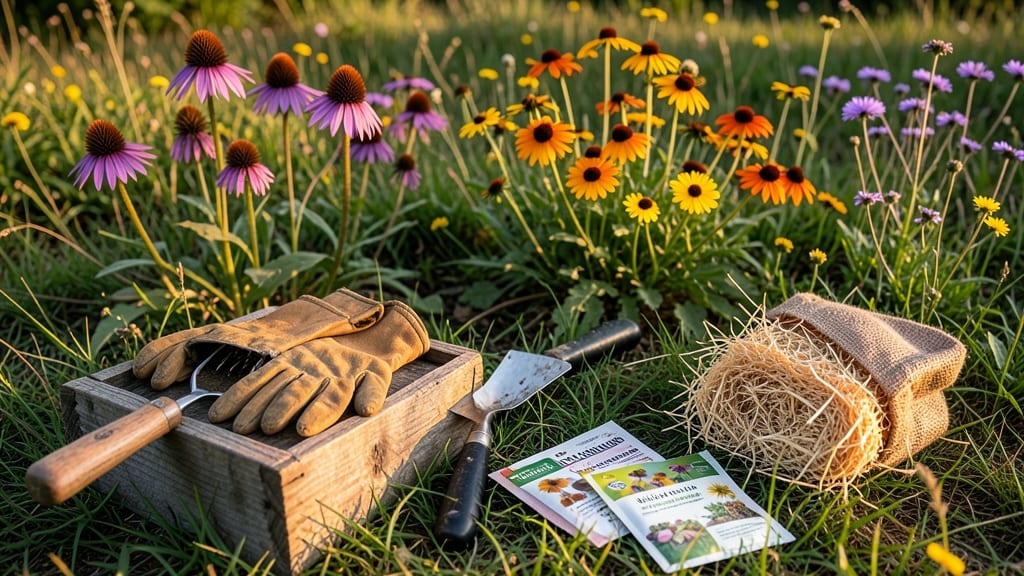
Planting wildflower seeds in Massachusetts at the right time ensures vibrant blooms next spring 🌼 — aim for late summer to early fall or early spring, when soil temperatures and frost risks align just right.
Massachusetts gardeners know that timing is everything—plant wildflower seeds too early, and they’ll rot; too late, and winter frost will kill them. But with the right zone-specific schedule, you can transform your yard into a vibrant, pollinator-friendly paradise by next spring.
In USDA zones 5b-6b, your best windows are March to April for early spring sowing or late August to September for fall planting. Coastal areas may have slightly later frost dates, so check your local averages to fine-tune the timing.
Below, I’ll break down the ideal planting months for your region, soil prep tips, and how to handle Massachusetts’ variable microclimates—so you can skip the guesswork and enjoy a meadow of color in just a few months.
Massachusetts planting zones: when to sow wildflower seeds for best results
Massachusetts spans USDA zones 5a through 7a, meaning your planting window depends on whether you're in the cooler northern regions or warmer coastal areas. Zone 5a (northern MA) has shorter growing seasons, while zone 7a (southeastern MA) enjoys longer springs.
For wildflowers, timing is critical—plant too early, and seeds may rot; too late, and frost will kill tender sprouts.
The best times to sow wildflower seeds in Massachusetts are either early spring (just after the last frost date) or early fall (4-6 weeks before first frost). These windows ensure seeds germinate in mild soil and establish roots before extreme temperatures arrive.
Coastal areas like Cape Cod (zone 7a) can start slightly earlier than inland regions like Worcester (zone 5b).
Here’s a quick guide to help you decide: Spring sowing is ideal for annual wildflowers like cosmos and zinnias, while fall planting benefits perennials like black-eyed Susans and coneflowers. Both methods work, but fall planting often yields higher germination rates because cooler temperatures reduce seed competition and disease risks.
🌱
| USDA Zone | Last Frost Date | First Frost Date | Best Planting Window | Notes |
|---|---|---|---|---|
| 5a (Northern MA) | Mid-May | Mid-October | Early May or September | Shortest season; prioritize hardy perennials. |
| 5b (Central MA) | Early May | Late October | Late April or August | Balanced climate; good for both annuals and perennials. |
| 6a (Western MA) | Late April | Early November | Early April or September | Longer growing season; ideal for diverse mixes. |
| 7a (Southeastern MA) | Early April | Mid-November | March or October | Longest season; can experiment with tropical annuals. |
For spring planting, aim to sow seeds 2-4 weeks after your last frost date. In Massachusetts, this typically falls between late April and early May, depending on your zone.
Test your soil temperature—seeds need 50-60°F soil to germinate. Use a soil thermometer to check; if it’s cooler, wait a few days or use a seedling heat mat for faster results.
If you prefer fall planting, sow seeds 4-6 weeks before your first frost. This usually means mid-September to early October for most of Massachusetts. Fall-sown seeds benefit from natural stratification (a cold period that breaks seed dormancy), leading to stronger, hardier plants.
Just avoid planting too close to frost—seeds need time to germinate before winter sets in.
Microclimates play a huge role in Massachusetts. Coastal areas (like Nantucket or Provincetown) can plant 2-3 weeks earlier than inland zones due to milder temperatures. Meanwhile, higher elevations (like the Berkshires) may need to wait until late May for spring planting.
Observe your local weather patterns—even a 10°F difference can shift your planting window by weeks.
Pro tip: Pre-treat your soil by removing weeds and loosening the top 2 inches. Wildflower seeds are tiny and need good seed-to-soil contact. After sowing, lightly rake the area and press seeds into the soil.
A thin layer of mulch (like straw) helps retain moisture and suppress weeds without smothering seeds. Water gently but thoroughly—aim for 1 inch of water per week during germination.
🌿
Don’t forget to choose native wildflower varieties suited to your zone. Black-eyed Susans and purple coneflowers thrive in zones
Top wildflower seed varieties for Massachusetts climates and their ideal planting times
Massachusetts’ diverse climate—from coastal breezes to inland valleys—means not all wildflowers thrive equally. Native species like black-eyed susan and new England aster adapt beautifully to local conditions, while non-invasive varieties like coneflower and milkweed attract pollinators year-round. Choosing the right seeds for your microclimate ensures stronger blooms and easier maintenance.
For coastal areas (e.g., Cape Cod, Martha’s Vineyard), aim for late August to September planting to avoid early frosts. Inland regions (like Pioneer Valley or Berkshires) can start as early as March for spring blooms or late August for fall germination.
Below, I’ve highlighted the best varieties and their precise planting windows.
- Black-Eyed Susan (Rudbeckia hirta) – Plant in March-April or August-September. Thrives in full sun and dry soil; blooms June-September. Perfect for drought-prone areas.
- Purple Coneflower (Echinacea purpurea) – Sow March-April or August. Prefers well-draining soil and partial shade; blooms July-October. A pollinator magnet with medicinal benefits.
- New England Aster (Symphyotrichum novae-angliae) – Plant August-September. Loves moist, rich soil and full sun; blooms September-November. Ideal for late-season color.
- Butterfly Weed (Asclepias tuberosa) – Sow March-April or August. Thrives in poor, rocky soil and full sun; blooms June-August. Host plant for monarch butterflies.
- Goldenrod (Solidago spp.) – Plant August-September. Adapts to dry, sandy soil and partial shade; blooms August-October. Supports bees and beneficial insects.
Each of these native wildflowers aligns with Massachusetts’ USDA zones 5b-6b, ensuring resilience against late frosts and summer heatwaves. For example, butterfly weed tolerates rocky soil common in western MA, while new England aster thrives in the moisture-rich eastern regions.
Pro tip: Mix annuals (like cosmos) with perennials (like coneflower) for continuous blooms. Annuals germinate faster in spring (March-April), while perennials benefit from fall planting (August-September) to establish roots before winter. Always lightly rake seeds into loose soil to improve contact and germination rates.
If you’re in a coastal zone, prioritize late August sowing to avoid salt spray damage from ocean winds. Inland gardeners can push spring planting to early March—just cover seeds with straw mulch if frost threatens.
With the right timing, your wildflower meadow will burst into color by next summer!
Remember: Native species require minimal fertilizer—they’re adapted to Massachusetts’ acidic, rocky soils. Over-fertilizing can harm them, so skip the synthetic nutrients and focus on compost enrichment instead. Happy planting! 🌿