
Plants
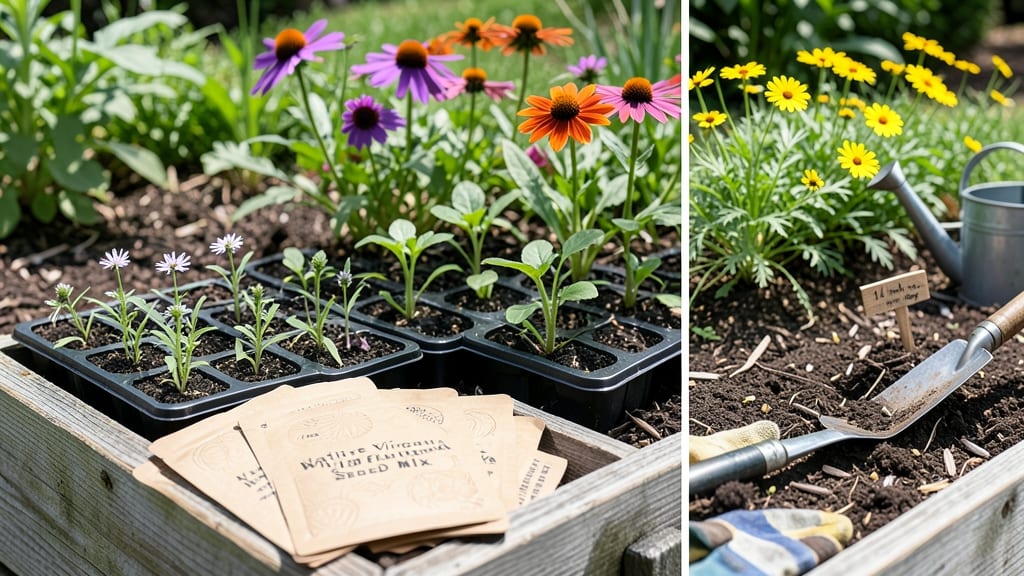
Plant wildflower seeds in Virginia between late September and early April to give them the best shot at thriving 🌼—timing avoids both frost and summer’s scorching heat.
If you’ve ever watched seeds sprout only to wither under Virginia’s unpredictable weather, you know the stakes. The key is planting when soil temps hover around 60°F, letting roots take hold before summer’s dry spells or winter’s freeze.
Most Virginia gardeners swear by fall planting—September through October—for stronger root systems before winter. But spring works too, as long as you get them in by early April, before the last frost.
Below, I’ll break down the exact months by USDA zone, soil prep tricks for Virginia’s clay-heavy soils, and how to keep pests from stealing your blooms before they even sprout.
Best planting months for wildflower seeds in Virginia’s USDA Zones 7a-7b
Timing is everything when planting wildflower seeds in Virginia—plant too early, and frost may wipe them out; too late, and they’ll struggle to establish roots before summer heat. USDA Zones 7a-7b offer two ideal windows: fall (September-October) and early spring (March-April), each with unique advantages for germination and growth.
Fall planting is my top recommendation because cooler temperatures reduce weed competition, and seeds get a head start on root development before winter. Spring planting works too, but requires careful timing to avoid late frosts that can damage tender seedlings.
Virginia’s microclimates—coastal areas with milder winters versus Piedmont’s colder nights—further refine these windows.
| Season | Ideal Months | Temperature Range | Frost Risk | Microclimate Notes |
|---|---|---|---|---|
| Fall | September-October | 50°F-70°F (10°C-21°C) | Low (after first frost) | Coastal: Plant by Oct 15; Piedmont: By Oct 1 |
| Spring | March-April | 55°F-75°F (13°C-24°C) | Moderate (late frosts possible) | Wait until soil warms above 50°F (10°C) |
| Late Summer | August (emergency only) | 75°F-85°F (24°C-29°C) | None | Use for drought-resistant mixes only |
For Zone 7a (colder microclimates like the Blue Ridge Mountains), aim for September 15-October 15 in fall or April 15-May 1 in spring. Zone 7b (warmer areas like Richmond) can extend fall planting to October 31 and spring planting to May 15.
Coastal Virginia’s milder winters mean you can plant up to November 1 in fall.
Soil temperature is your best guide—wait until it reaches 50°F (10°C) for spring planting or 60°F (15°C) for summer. Use a soil thermometer to check, especially in Piedmont’s clay soils which retain cold longer. My trick? Press seeds into moist, not soggy soil to prevent rot while encouraging quick germination.
Virginia’s humidity levels also play a role—coastal areas need light mulching to prevent fungal issues, while Piedmont’s drier air benefits from a thin straw layer to retain moisture. Always water deeply in the morning to avoid evening dampness that invites pests like slugs.
If you miss the ideal windows, don’t despair—late summer (August) is a backup option for drought-tolerant mixes like black-eyed Susan or coreopsis. Just be prepared for slower establishment and more weed competition. For best results, I recommend fall planting—it’s when my own wildflower meadows thrive in Northern Virginia.
Pro tip: Mark your calendar for September 15 (Zone 7a) or October 1 (Zone 7b) as your fall deadline. This gives seeds time to germinate before winter dormancy sets in. Pair this with a light mulch to protect seeds from erosion during Virginia’s unpredictable fall rains.
Remember that native wildflower mixes adapted to Virginia’s climate will outperform commercial blends. Look for seeds labeled for Zone 7 and include milkweed (for monarchs) and bee balm (for pollinators). These species handle Virginia’s hot summers and humid springs like champions.
Your first year’s blooms may be modest, but with proper timing and care, you’ll see a full pollinator paradise by year two. Start small—try a 5x5 foot patch—and expand as you gain confidence. The key? Plant when conditions are right, not when your schedule allows.
How to choose wildflower seed mixes for Virginia’s climate and soil
Virginia’s diverse soil types—from sandy Coastal Plain to clay-heavy Piedmont—demand the right wildflower seed mix to thrive. Native mixes like black-eyed Susan and coreopsis adapt better to local conditions than commercial blends, which often include non-native species that struggle with Virginia’s humidity and heat 🌿.
For Zone 7a-7b, prioritize drought-tolerant varieties like milkweed and purple coneflower. These species not only survive Virginia’s summer droughts but also attract pollinators like bees and butterflies. Commercial mixes may include fillers like annual ryegrass, which can outcompete wildflowers if not managed.
Soil prep is critical: Sandy soils drain too quickly, while clay soils hold moisture and can suffocate roots. Amend clay with compost or sand to improve aeration, and test pH—most wildflowers prefer 6.0 to 7.5. Avoid heavy fertilizers, as wildflowers thrive in low-nutrient conditions 🌱.
Native vs. Commercial Wildflower Seed Mixes
- ✅ Adapt to local soil
- ✅ Support pollinators
- ✅ Drought-resistant
- ✅ Low maintenance
- ❌ May include non-natives
- ❌ Higher weed risk
- ❌ Less pollinator-friendly
- ❌ Requires more water
- 🌼 Black-eyed Susan
- 🌼 Coreopsis
- 🌼 Milkweed
- 🌼 Purple Coneflower
- 🚫 Soil isn’t tested
- 🚫 No pollinator focus
- 🚫 High annual grass content
For Coastal Plain regions, opt for sandy-soil lovers like beach heather or sand verbena. In the Piedmont, clay-tolerant species like goldenrod or butterfly weed will outperform delicate annuals. Always check seed packets for USDA Zone 7a-7b compatibility to avoid disappointment 🌻.
If you’re unsure, start with a pre-mixed native blend from a Virginia-based supplier. These often include wild bergamot and partridge pea, both of which thrive in Virginia’s hot summers and humid winters. Just remember: less is more—over-seeding leads to competition and weaker blooms.
Once planted, mulch lightly to retain moisture without smothering seeds. Avoid synthetic fertilizers, as wildflowers rely on natural soil ecosystems. Within 60 days, you’ll see vibrant blooms that attract bees, butterflies, and hummingbirds—a reward worth the careful selection process ✂️.