
Flowers
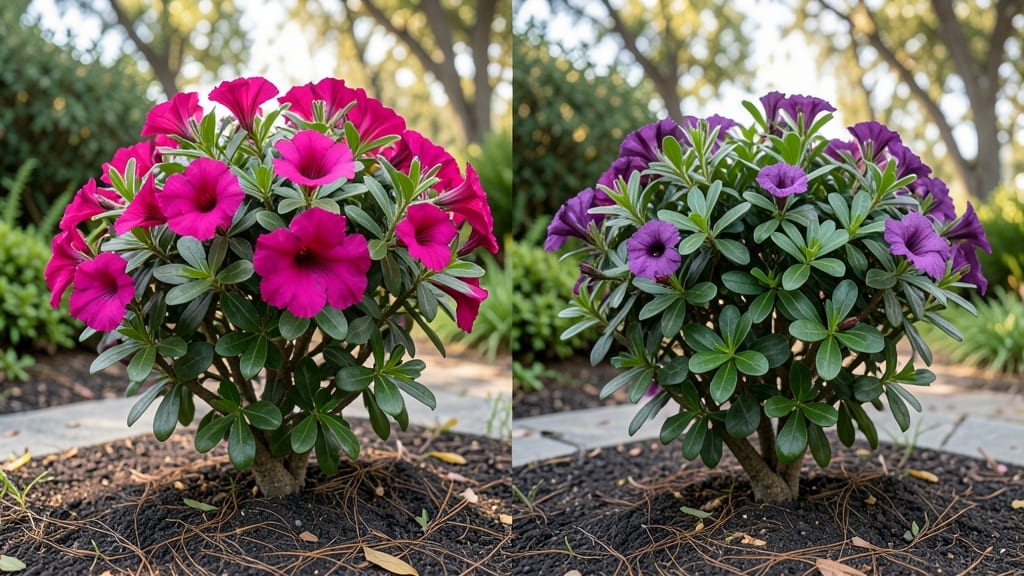
Vinca flowers thrive in sun or shade, making them the ultimate low-maintenance choice for any garden spot 🌸—whether you’ve got a bright border or a shady corner.
Picture this: a plant that blooms nonstop from spring to frost, handles heat waves and drought, and still looks lush in the dimmest spots. That’s the magic of vinca, but only if you know how to set it up right.
In this guide, I’ll break down the best light conditions for different vinca varieties, soil secrets to keep them thriving, and simple care tricks that work whether your spot gets blazing sun or dappled shade.
By the end, you’ll have a vinca plan that fits your space—no guesswork, just year-round color with almost no effort.
 Best Window Placement
Vinca flower varieties: sun vs. shade performance guide
Vinca flowers—also called periwinkle—are my go-to for adding vibrant color to gardens where other plants struggle. Their secret? Unmatched adaptability to light conditions, from blazing sun to deep shade. But not all vinca varieties shine equally in every spot.
Let’s break down how Vinca major, Vinca minor, and Vinca ‘Illumination’ perform in sun versus shade, so you can choose the perfect match for your garden.
The key to vinca success lies in understanding their light requirements and how they respond to different environments. Some varieties thrive in full sun with bold blooms, while others prefer partial or full shade where they spread lushly.
Below, I’ve compared their performance, growth habits, and even hardiness to help you pick the right vinca for your space.
Pro Tip: Vinca flowers are evergreen in zones 6-10, meaning they keep their foliage year-round in mild climates. This makes them ideal for low-maintenance gardens where you want color without the fuss of seasonal changes.
| Variety | Ideal Light | Bloom Intensity | Growth Habit | Hardiness Zones |
|---|---|---|---|---|
| Vinca major | Partial to full shade | Moderate (spring blooms) | Trailing, 12-18" tall | 6-9 |
| Vinca minor | Partial shade to full sun | High (spring/summer) | Ground cover, 6-12" tall | 4-9 |
| Vinca ‘Illumination’ | Full sun to partial shade | Very high (year-round) | Upright, 12-24" tall | 6-10 |
Bloom intensity varies with light exposure—more sun = brighter flowers in sun-loving varieties.
Vinca major is the shade champion, thriving where other plants wilt. It produces lavender-blue flowers in spring but prefers dappled light or shade. In full sun, its leaves can scorch, and blooms may become sparse. This variety is perfect for woodland gardens or under trees where light filters through.
On the other hand, Vinca minor is the versatile middle-grounder. It handles partial shade to full sun but performs best with 3-6 hours of morning sun. In full shade, it grows lushly but may produce fewer blooms.
This is my top pick for ground cover in mixed-light areas like patio edges or under shrubs.
Vinca ‘Illumination’ steals the show in sun. This variety is bred for year-round color, with vibrant foliage that glows in sunlight. In shade, it still performs but may lose some of its bright yellow-green leaves. It’s ideal for sunny borders or containers where you want a pop of color without fuss.
If you’re in zones 6-9, Vinca major and Vinca minor are your best bets for shade tolerance. For zones 6-10, Vinca ‘Illumination’ shines in sun but can also handle partial shade. Always check your local USDA zone to ensure your chosen vinca will survive winter.
One mistake I see often? Planting sun-loving vinca varieties in deep shade. Vinca ‘Illumination’, for example, will still grow but may become leggy and produce fewer blooms. To maximize performance, match the variety to your garden’s light conditions and watch your vinca thrive.
Ready to transform your garden? Start by assessing your space’s light levels—then pick the vinca variety that matches. Whether you’re brightening a shady corner or adding color to a sunny spot, vinca flowers deliver low-maintenance beauty with minimal effort. 🌸
How to plant and care for vinca flowers in low-light or sunny areas
Vinca flowers are my go-to for effortless color, but their care shifts dramatically between sunny borders and shady spots. The key? Adjusting just a few basics—soil, water, and pruning—to match your light conditions. Let’s start with planting, where timing and placement make all the difference.
For sunny areas, plant vinca in spring after last frost (around April 15 in Zone 6a) when soil warms to 60°F+. Space plants 12-18 inches apart to allow airflow, which prevents fungal issues.
In shady spots, you can plant slightly earlier (March) since cooler soil won’t stress the roots as much.
⚠️ WARNING: MISTAKES THAT KILL VINCA ⚠️
⚠️ Planting too deep suffocates roots. Keep the crown just above soil level—burying it invites disease. And never use fresh manure; vinca prefers balanced fertilizer (10-10-10) applied lightly in spring and summer.
⚠️ Ignoring pruning needs leads to leggy growth. In sunny spots, prune after flowering to encourage bushiness. In shade, trim lightly in early spring to avoid overcrowding.
The soil mix is where vinca’s adaptability shines. In full sun, amend heavy clay with sand or perlite to improve drainage—vinca’s roots need oxygen. In shady areas, add compost or peat moss to retain moisture without compacting.
A slightly acidic to neutral pH (6.0-7.0) works best for all varieties.
Watering schedules change with light: vinca in sunny spots needs deep watering every 5-7 days during heatwaves, while shady vinca thrives on weekly shallow watering.
Always water early morning to reduce evaporation and fungal risks. Mulch with 2-3 inches of shredded bark to lock in moisture and regulate soil temperature.
Pruning keeps vinca compact and blooming. In sunny gardens, cut back 1/3 of the plant after flowering to encourage a second flush. In shade, prune only to shape—over-pruning stresses shade-adapted vinca. Deadhead spent blooms year-round to prevent seed formation and redirect energy to new flowers.
Fertilize lightly but often: apply 1 tablespoon of 10-10-10 fertilizer every 4-6 weeks from spring to summer. Skip fall feeds—vinca stores nutrients for winter. In containers, use half-strength fertilizer monthly to avoid salt buildup, which burns roots.