
Flowers
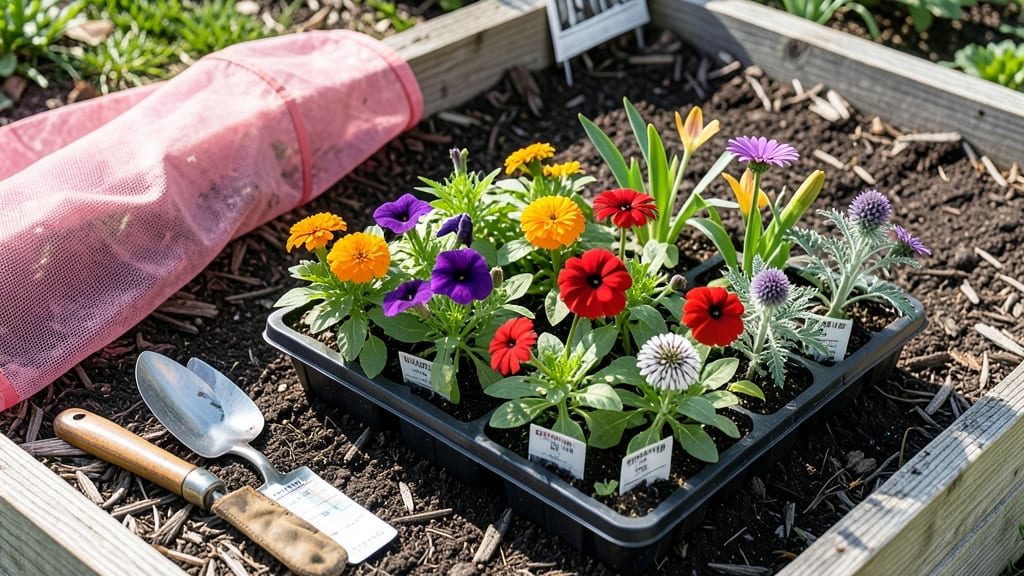
You can plant flowers in Michigan after the last frost date, typically between late April and mid-May for spring blooms or September to early October for fall varieties.
Michigan gardeners know timing is everything—plant too early, and frost will kill your blooms; too late, and you’ll miss the full growing season. But with the right USDA zone knowledge, you can transform your yard into a vibrant floral paradise year-round.
The key is understanding your local climate. In USDA Zones 5-6, most annuals thrive when soil temperatures hit 50°F, while perennials can handle cooler spring air. I’ll break down the best planting windows for your favorite flowers, whether you’re growing sun-loving marigolds or shade-tolerant impatiens.
From preparing your soil to adjusting for microclimates, you’ll learn how to maximize blooms and avoid common mistakes—so your garden stays lush from spring to frost.
Michigan flower planting calendar by USDA Zone (5 & 6)
Michigan’s USDA Zones 5 and 6 offer distinct planting windows for flowers, shaped by average last frost dates (April 15) and first frost dates (October 15). Zone 5’s colder springs (northern Michigan) delay planting by 1–2 weeks compared to Zone 6’s milder climate (southern Michigan).
Understanding these differences helps you choose the right annuals, perennials, and bulbs for your garden’s success.
For Zone 5, start preparing beds in early April, but wait until May 1–15 to plant tender annuals like marigolds and petunias after soil warms to 50°F.
In Zone 6, you can plant these same flowers as early as April 20–May 1, when soil temperatures reach 55°F. Perennials like coneflowers and daylilies thrive when planted in spring or early fall, while spring-blooming bulbs (daffodils, tulips) should go in fall (September–October) for early-season color.
For Zone 5 gardeners, focus on cold-tolerant annuals like pansies and sweet peas in early spring, then transition to heat-loving marigolds and zinnias by late May. In Zone 6, you can stretch your season by planting cool-season crops like calendulas in late August for fall blooms.
Always check your local Michigan State University Extension frost dates, as they can vary by 5–7 days depending on your exact location.
Soil temperature is just as critical as air temperature. Use a soil thermometer to confirm readiness—most flowers need soil at least 50°F for germination. In Zone 5, wait until soil warms to 55°F before planting tender annuals.
Amend your soil with compost or aged manure 2–3 weeks before planting to improve drainage and fertility, especially in clay-heavy soils common in Michigan.
Don’t overlook fall planting for perennials like black-eyed Susans and asters, which establish roots in cool weather and bloom robustly the following year. For bulbs, prioritize planting in September to give them time to root before winter.
In Zone 6, you can even squeeze in a late-summer planting of cosmos or sunflowers for extended seasonal color.
If you’re unsure about your exact <
How to adjust planting times for Michigan’s microclimates
Michigan’s diverse microclimates mean that what works in Detroit’s urban heat islands won’t suit Upper Peninsula’s cooler valleys. Even a 5-mile difference can shift your frost dates by 1-2 weeks.
As someone who’s gardened in both Zone 5b (southern Michigan) and Zone 6a (northern), I’ve learned to watch for local clues like cherry blossoms or maple leaf unfurling—nature’s planting calendar.
Urban gardeners face the heat island effect, where pavement stores warmth and delays frost. In Grand Rapids or Lansing, soil may warm 2-3 weeks earlier than rural areas.
Meanwhile, lakeside properties near Huron or Michigan experience delayed springs due to lake-effect cooling. These variations can make or break your annual flowers or tender perennials.
⚠️ callout warning ⚠️
Planting tender annuals (like geraniums) too early in Zone 6a? They’ll bolt in May heatwaves. Ignoring lakeside delays? Your pansies may freeze in June. The fix? Use row covers for 3-4 weeks after last frost in cold spots, or wait until May 20th in northern zones before planting heat-loving marigolds.
Pro Tip: Test soil temps with a soil thermometer—wait until it hits 55°F+ for most flowers.
For northern Michigan gardeners, extend your season with cold frames. I’ve grown snapdragons under clear plastic domes in March—just remove covers when temps hit 45°F.
In urban areas, reflective mulches (like white gravel) can lower soil temps by 10°F, protecting delicate petunias from June scorching.
Lakeside gardeners should plant 2 weeks later than inland zones. The Great Lakes’ cooling breeze can delay last frost dates by 10-14 days in areas like Traverse City.
I once saw tulips bloom in May in a landlocked yard while lakeside neighbors’ bulbs waited until June—proof that location matters more than USDA zones alone.
Use frost clocks or local Cooperative Extension reports to track 32°F warnings. In southern Michigan, fall planting can start by September 1st, but in northern zones, wait until September 15th.
For urban containers, add insulated pots to shield roots from pavement heat or nighttime chills.
Adjust your flower choices too. In cool microclimates, opt for cold-hardy annuals like sweet peas or stock. In hot urban spots, heat-tolerant zinnias or portulaca thrive. With these tweaks, you’ll turn Michigan’s climate quirks into longer bloom seasons—no matter where you garden. 🌸