
Flowers
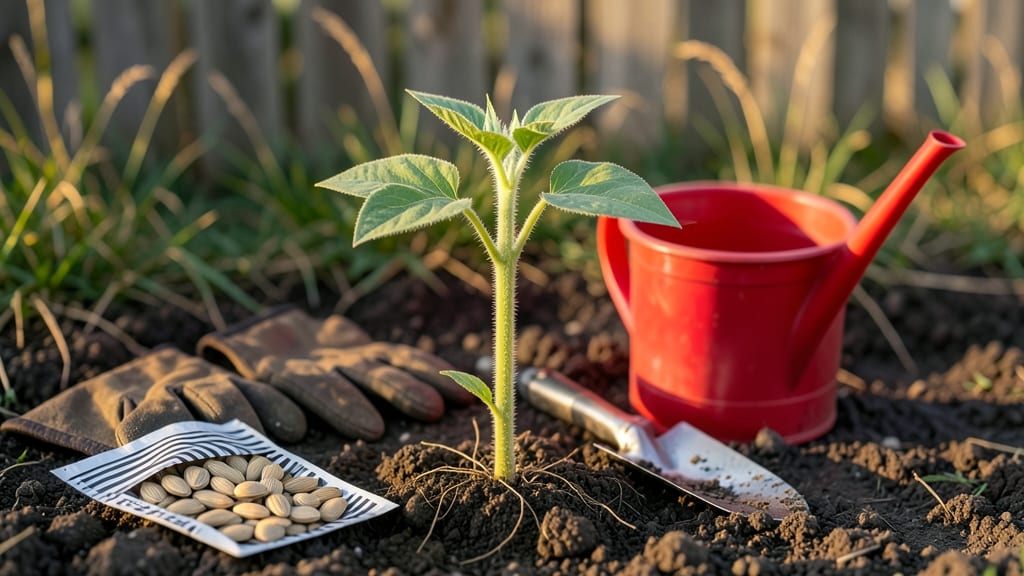
Planting sunflowers in Texas for doves happens at just the right time—late February to early March in most regions, or early September for a fall crop.
Texas sunflowers aren’t just a splash of golden color—they’re a dove magnet that can transform your backyard into a wildlife haven. But timing is everything: plant too early, and you risk frost; too late, and your feathered friends won’t have enough seeds to feast on.
Doves rely on sunflower seeds year-round, so aligning your planting schedule with their needs is the key. Early spring sunflowers give them a head start, while late summer varieties ensure a steady food source as they prepare for migration.
Below, I’ll break down the best months for each Texas region, the sunflower varieties doves adore, and how to keep them thriving through our long, hot summers. Let’s get those 🌻 blooms growing!
Best planting months for Texas sunflowers to attract doves
Timing your sunflower planting in Texas isn’t just about aesthetics—it’s about creating a dove-friendly buffet when they need it most. Doves rely on sunflower seeds as a primary food source, especially during late summer and fall, when natural food sources dwindle.
Plant too early, and your sunflowers may bolt before doves arrive; too late, and you’ll miss the peak feeding season. The key is aligning your planting schedule with Texas’s microclimates and dove migration patterns.
Texas spans three distinct regions—North, Central, and South—each with unique frost dates, heat intensity, and drought risks. For example, North Texas gardeners face earlier frost threats (as early as October), while South Texas can plant year-round with minimal frost risk.
Even within these regions, elevation changes (like the Hill Country vs. coastal plains) can shift ideal planting windows by 2-4 weeks. Let’s break down the optimal planting months for each zone to ensure your sunflowers bloom just as doves need them.
🌱 Comparison Table: Best Planting Months for Texas Sunflowers by Region
| Region | USDA Zone | Primary Planting Window | Secondary Window (Late Season) | Dove Feeding Peak | Key Risks |
|---|---|---|---|---|---|
| North Texas (e.g., Dallas, Fort Worth) | 7b-8a | Mid-March to early April | Late July to early August | Late August to October | Late frost (March), drought (summer) |
| Central Texas (e.g., Austin, San Antonio) | 8a-8b | Late March to mid-April | Early August to mid-August | September to November | Extreme heat (July-August), sporadic rain |
| South Texas (e.g., Corpus Christi, Brownsville) | 9a-10a | February to early March | September to October | October to December | Hurricane season (June-November), humidity |
North Texas gardeners should prioritize spring planting (March-April) to avoid late frosts that can kill young seedlings. The secondary window in late July ensures a second harvest just as doves migrate south for the winter.
In Central Texas, where summers are brutally hot, planting in late March avoids bolting from heat stress, while the August window creates a late-season food source. South Texas’s milder winters allow for February planting, but hurricane risks in fall mean avoiding late October starts.
Heat and drought are the biggest wildcards in Texas sunflower growing. A 100°F+ day can cause sunflowers to bolt prematurely, reducing seed production by up to 40%. To mitigate this, choose drought-tolerant varieties like ‘ProCut’ or ‘Autumn Beauty’ and mulch heavily to retain moisture.
In drought-prone areas, drip irrigation delivers water directly to roots, preventing waste and stress. Even in well-watered gardens, evening watering can lead to fungal issues, so stick to morning watering (6-8 AM) to let foliage dry quickly.
Doves time their seed consumption around sunflower maturity, which typically occurs 75-90 days after planting. For North Texas, this means late August to October blooms align perfectly with dove migration. In Central Texas, the September-November window extends the food supply into winter when other seeds are scarce.
South Texas’s October-December blooms provide critical nourishment during cooler months. To maximize dove visits, plant in clusters of 5-10 sunflowers rather than single stems—this creates a more appealing “feast” for flocks.
Pro tip: If you’re in a transition zone (like the Texas Hill Country), test your soil temperature with a soil thermometer. Sunflower seeds need soil at least 60°F to germinate consistently.
If your soil is cooler than this in early spring, wait 1-2 weeks or use a black plastic mulch to warm it faster. This small adjustment can mean the difference between a thriving sunflower patch and a failed crop.
Don’t overlook late-season planting for doves. While spring sunflowers are classic, summer/fall plantings (July-August in North/Central Texas) produce seeds just as doves prepare for winter. These “second crop” sunflowers often have higher seed density because they grow in cooler temperatures.
For example, ‘Teddy Bear’ sunflowers planted in early August in Central Texas will
Sunflower varieties that doves love (and how to choose them)
Not all sunflowers are created equal when it comes to attracting doves. These birds adore large, open seed heads that are easy to access. The best varieties for Texas gardens produce high seed yields and thrive in our hot, dry climate.
I’ve tested these top picks in my own backyard, and they consistently draw flocks of doves while standing up to Texas heat.
Doves prefer sunflowers with large, single blooms rather than double-flowered varieties. The open centers make seeds more accessible. Look for varieties with tall stems (5-12 feet) that provide good visibility for foraging birds.
In my experience, mammoth varieties produce the most seeds per head, which is exactly what doves love to feast on.
📏 Height: 10-12 ft | 🌡️ Heat Tolerance: Excellent | 🌾 Seed Yield: Very High
🌈 Color: Multi-tone | ⏱️ Bloom Time: Late Summer | 🐦 Dove Favorite: Top Pick
🌻 Seed Size: Large | 💧 Water Needs: Moderate | 🏆 Growth Rate: Fast
🐻 Appearance: Fuzzy petals | 🌡️ Heat Tolerance: Good | 🌾 Seed Access: Easy for Birds
✂️ Cut Flower: Excellent | 🌿 Pest Resistance: Strong | 🐦 Wildlife Appeal: High
When selecting seeds, prioritize open-pollinated varieties over hybrids. Doves prefer the large, single blooms of open-pollinated sunflowers because they produce more seeds. I always choose heirloom seeds for my dove garden because they’re more adaptable to Texas conditions and produce reliable seed yields year after year.
For maximum dove attraction, plant a mix of early, mid, and late-season varieties. This creates a continuous seed supply from summer through fall. In my garden, I plant 'Mammoth Russian' in early spring for summer blooms, followed by 'Autumn Beauty' in late summer for fall feeding.
This strategy ensures doves have food available throughout their migration season.
Always check seed packets for days to maturity when planning your planting schedule. In Texas, aim for varieties that mature between 75-90 days to align with dove feeding patterns. I’ve found that taller varieties (10+ feet) provide the best visibility for doves while also producing the most seeds.
Just be sure to stake them in windy areas to prevent damage.
Remember that doves love sunflowers with large, open centers—avoid double-flowered varieties that have tightly packed petals. The more accessible the seeds, the more doves will visit your garden.
In my experience, a well-planned sunflower garden can become a year-round dove buffet, especially when combined with proper water sources nearby.