
Flowers
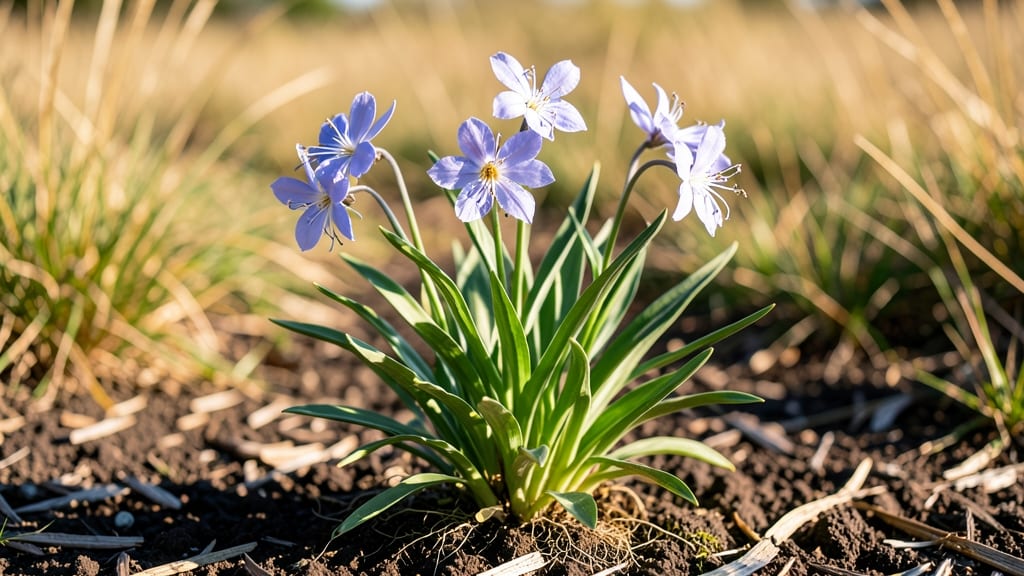
Growing a blue spiderwort daylily flower 🌸 is easier than you think, and the payoff is worth every minute of effort.
Picture this: a garden bursting with vibrant blue blooms that last from June through August, thriving in USDA Zone 6a and beyond. If you've ever struggled to keep blue flowers alive, this hardy plant might just change your mind.
Spiderwort daylilies aren't fussy about soil or sunlight, making them perfect for both beginner and seasoned gardeners. With the right planting window—March to April—and a few simple care tips, you'll be rewarded with long-lasting color that brightens up any space.
In this guide, I'll walk you through everything from soil prep to watering schedules, so you can enjoy those stunning blue flowers all season long.
Best climate zones for growing blue spiderwort daylily flowers
If you're eager to grow blue spiderwort daylilies with their stunning violet-blue blooms, understanding the right USDA hardiness zones is your first step. These hardy perennials thrive in zones 3 through 10, making them adaptable to nearly every U.S. region.
The key lies in adjusting your care routine based on your specific climate zone to ensure vibrant blooms year after year.
In cooler zones (3-6), these plants develop strong root systems early, allowing them to withstand harsh winters. Meanwhile, gardeners in warmer zones (7-10) must focus on preventing heat stress and ensuring consistent moisture. Let's explore how to optimize growth in each zone for maximum blue bloom production.
⚠️ NON-NEGOTIABLE: Always check your local microclimate—frost pockets, urban heat islands, or coastal winds can shift your effective growing zone by 1-2 levels. Use a frost-free date calculator to fine-tune your planting schedule.
| USDA Zone | Optimal Planting Time | Key Care Adjustments | Blue Bloom Tips |
|---|---|---|---|
| Zones 3-5 | Mid-April to early May | Mulch heavily in fall (4-6 inches), protect from late frosts with row covers | Plant in full sun for deeper blue hues; fertilize in early spring |
| Zones 6-7 | Late March to April | Water deeply during summer droughts; divide clumps every 3-4 years | Use well-draining soil to prevent root rot; deadhead spent blooms |
| Zones 8-9 | February to early March | Provide afternoon shade in peak summer; mulch to retain moisture | Plant with companion plants like lavender to attract pollinators |
| Zones 10 | January to February | Water consistently (every 3-5 days); use shade cloth in extreme heat | Choose heat-tolerant varieties like 'Midnight' for vibrant blooms |
In zones 3-5, where winters are harsh, focus on protective mulching and early spring feeding. I've found that adding a 3-inch layer of straw mulch in late fall helps insulate roots from freezing temperatures.
For blue bloom intensity, plant in full sun locations—even if your zone typically gets limited sunlight, these plants will reward you with deeper hues when given 6+ hours of direct light.
Gardeners in zones 6-7 enjoy the best balance of growing conditions. Here, spiderwort daylilies thrive with minimal fuss. My pro tip: Divide mature clumps every 3-4 years to prevent overcrowding, which can reduce bloom production. Also, deadheading spent blooms encourages continuous flowering throughout the summer season.
For those in warmer zones (8-9), heat can be the biggest challenge. I recommend planting your blue spiderwort daylilies where they receive morning sun and afternoon shade. This simple adjustment prevents heat stress while maintaining vibrant blooms.
In my zone 8 garden, I've noticed that pairing them with drought-tolerant companions like sedum creates a low-maintenance blue-and-purple display.
In zone 10, where heat and humidity are year-round, consistent moisture is critical. I water my plants every 3-5 days during dry spells and use drip irrigation to keep foliage dry.
For maximum blue blooms, choose heat-tolerant varieties like 'Midnight' or 'Blue Ensign'—these maintain their color even under intense summer sun.
Regardless of your zone, all spiderwort daylilies benefit from well-draining soil with a slightly acidic to neutral pH (6.0-7.0). Amending heavy clay soils with compost or sand prevents root rot, which can be fatal in waterlogged conditions.
I've seen blue bloom production triple when plants are given these ideal growing conditions.
Seasonal adjustments are key to long-term success. In spring, focus on fertilizing with a balanced 5-10-10 mix to encourage lush foliage. During summer, prioritize consistent watering and deadheading to prolong the bloom season.
As fall approaches, reduce watering and add mulch to protect roots from winter temperature swings.
One common mistake I see in all zones is overwatering. Spiderwort daylilies are surprisingly drought-tolerant once established—only water when the top 2 inches of soil feel dry.
In my zone 7 garden, I've had plants survive 30-day dry spells with no irrigation, though bloom size may be slightly reduced during droughts.
For gardeners in cooler climates, consider starting plants indoors 6-8 weeks before your last frost date. This head start gives roots time to establish before transplanting. In warmer zones, you can plant year-round, but early spring planting gives plants time to establish before summer heat arrives.
Remember, blue spiderwort daylilies aren't just about the flowers—their arching foliage adds texture to any garden. With the right zone-specific care, you'll enjoy <
How to plant and care for blue spiderwort daylilies for maximum blooms
If you're ready to add a splash of vibrant blue to your garden with minimal effort, blue spiderwort daylilies are your perfect choice. These hardy perennials thrive in diverse climates and reward you with long-lasting blooms that attract pollinators.
Whether you're a beginner or seasoned gardener, following these steps will ensure your spiderwort daylilies flourish and keep blooming season after season.
First, let's clarify: while true spiderwort (Tradescantia) and daylilies (Hemerocallis) are different plants, we're focusing on the blue-flowered daylily varieties that often get called spiderwort due to their striking blue hues. These beauties are known for their drought tolerance and adaptability, making them ideal for both containers and garden beds.
- 🌱 Choose the right location: Select a spot with 4-6 hours of sunlight daily. Morning sun with afternoon shade works best in hotter climates (zones 7-10).
- 🪴 Prepare the soil: Amend your soil with 2-3 inches of compost and work in a balanced fertilizer (5-10-10). Spiderwort daylilies prefer well-draining soil with a pH of 6.0-7.0.
- 💧 Plant at the right depth: Dig holes twice as wide as the root ball but only as deep. Space plants 18-24 inches apart to allow for mature growth.
- ☀️ Water thoroughly after planting: Give your new plants 1-2 gallons of water to settle the soil. Keep soil moist but not soggy for the first 2-3 weeks.
- ✂️ Deadhead spent blooms: Remove faded flowers regularly to encourage continuous blooming throughout the season (June-August).
- 🌿 Mulch annually: Apply 2-3 inches of mulch (straw or shredded bark) in early spring to retain moisture and regulate soil temperature.
- 🌸 Fertilize strategically: Feed with balanced fertilizer every 4-6 weeks during active growth (April-July). Skip fall and winter fertilizing.
To extend your blue spiderwort daylily bloom season, try these pro tips. First, plant them near companion plants like catmint or Russian sage, which attract pollinators and create a stunning color contrast. These companions also help deter pests like aphids, which can sometimes target daylilies.
Another secret to longer blooming is to divide your plants every 3-4 years in early spring or fall. This rejuvenates the plant and encourages more vigorous growth.
Simply dig up the clump, separate the healthy root sections, and replant them immediately. This simple step can double your blue flower production in just one season.
Remember that blue spiderwort daylilies are remarkably drought-tolerant once established, but they'll reward you with more vibrant blooms when given consistent moisture during their active growing season.
Water deeply once a week during dry spells, and always water at the base of the plant rather than overhead to prevent fungal issues.
With these care techniques, your blue spiderwort daylilies will become the star of your garden, blooming beautifully from early summer through fall and attracting beneficial pollinators to your landscape.
The best part? These stunning blue flowers require minimal maintenance once established, making them perfect for busy gardeners who still want to enjoy nature's beauty.